← Back to previous page

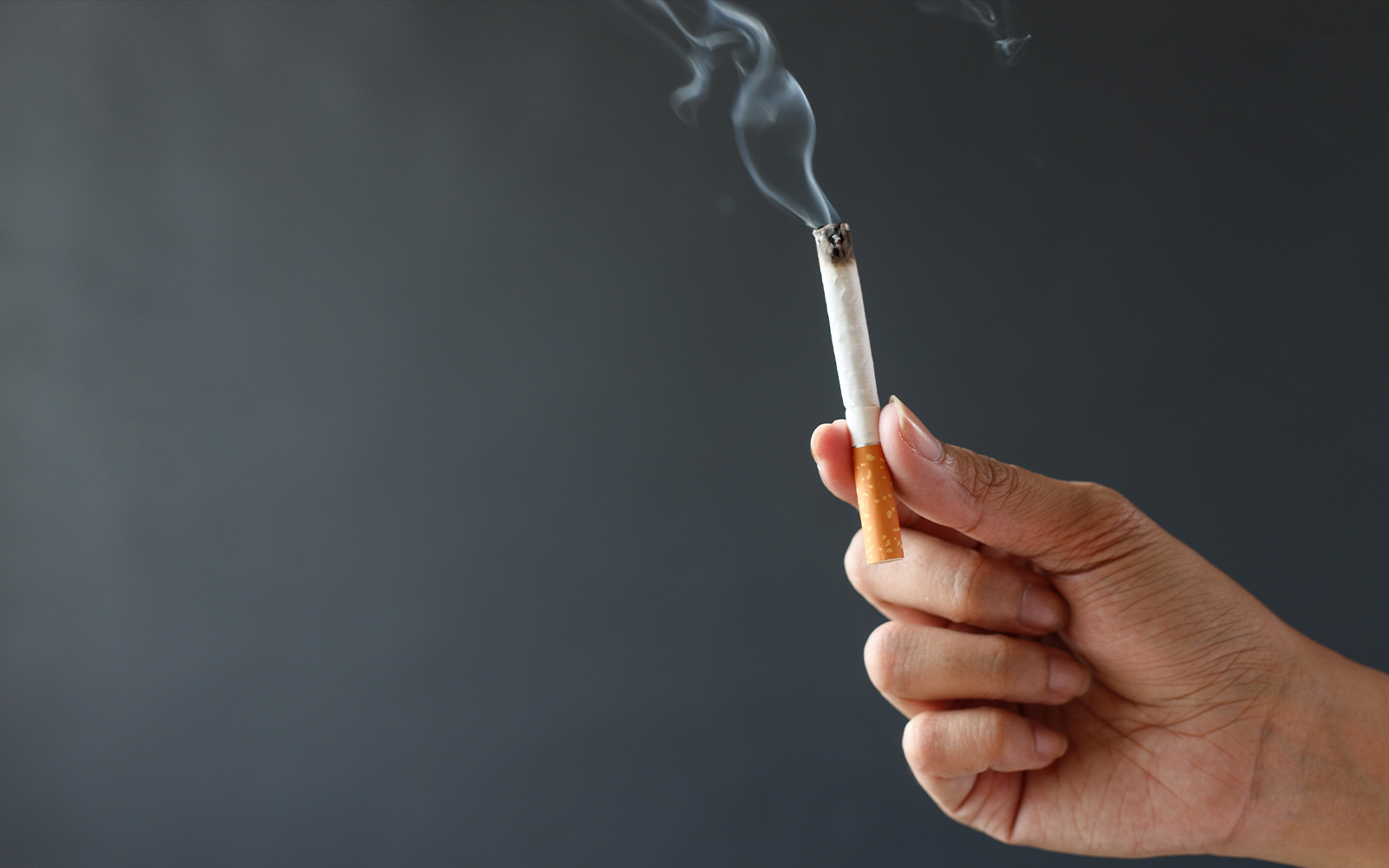 New laboratory research suggests that cigarette smoke may make airway cells more vulnerable to damage from tiny plastic particles, raising fresh concern about how smoking, air pollution and environmental plastics may combine to harm respiratory health. The study found that cigarette smoke extract weakened the protective barrier of human bronchial epithelial cells, making them more susceptible to polystyrene nanoparticles, a type of nanoplastic commonly used in laboratory pollution studies. When exposed together, cigarette smoke extract and nanoplastics were linked to reduced epithelial cohesion, increased mucus production, inflammation, barrier dysfunction and neutrophil activation - changes that resemble processes seen in COPD-like airway disease. This does not prove that nanoplastics alone cause COPD in humans, but it does suggest that already-stressed lungs, especially in smokers, may be less able to defend themselves against inhaled environmental particles. The findings are highly relevant for South Africa, where tobacco exposure, urban air pollution, informal burning and plastic waste may overlap in communities already facing a heavy burden of respiratory illness. The message is clear: lung health is shaped by combined exposures, and reducing smoking, improving air quality and limiting environmental plastic pollution may all form part of protecting vulnerable airways.
Sponsored by
Cigarette Smoke May Prime the Lungs for Greater Nanoplastic Damage
New laboratory research suggests that cigarette smoke may make airway cells more vulnerable to damage from tiny plastic particles, raising fresh concern about how smoking, air pollution and environmental plastics may combine to harm respiratory health. The study found that cigarette smoke extract weakened the protective barrier of human bronchial epithelial cells, making them more susceptible to polystyrene nanoparticles, a type of nanoplastic commonly used in laboratory pollution studies. When exposed together, cigarette smoke extract and nanoplastics were linked to reduced epithelial cohesion, increased mucus production, inflammation, barrier dysfunction and neutrophil activation - changes that resemble processes seen in COPD-like airway disease. This does not prove that nanoplastics alone cause COPD in humans, but it does suggest that already-stressed lungs, especially in smokers, may be less able to defend themselves against inhaled environmental particles. The findings are highly relevant for South Africa, where tobacco exposure, urban air pollution, informal burning and plastic waste may overlap in communities already facing a heavy burden of respiratory illness. The message is clear: lung health is shaped by combined exposures, and reducing smoking, improving air quality and limiting environmental plastic pollution may all form part of protecting vulnerable airways.