← Back to previous page

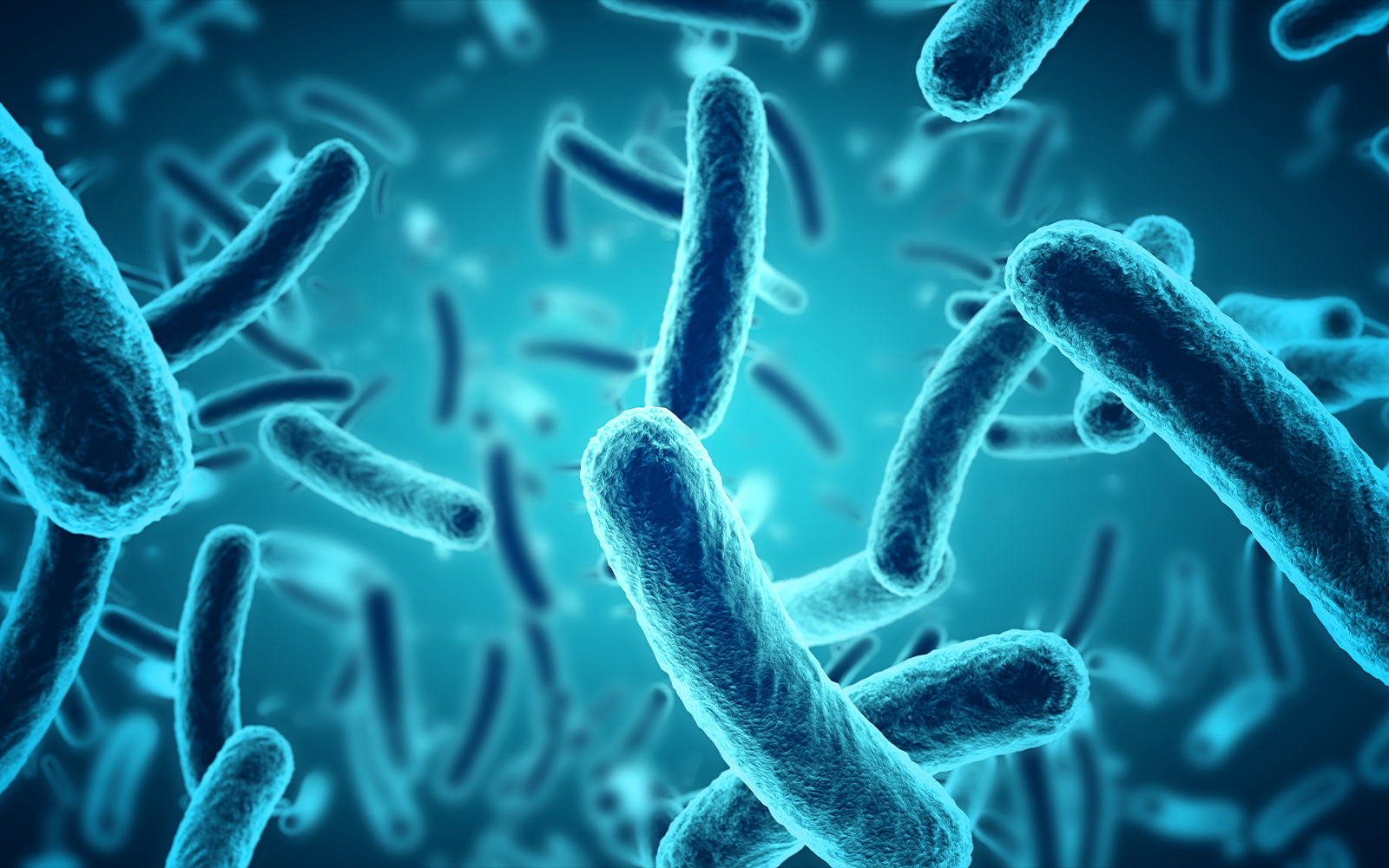 New research from Northwestern Medicine suggests that the gut may be able to remember the benefits of certain healthy bacterial by-products, opening a promising new direction for inflammatory bowel disease research. The study found that butyrate, a short-chain fatty acid produced when gut bacteria break down dietary fibre, can leave a lasting molecular imprint on intestinal epithelial cells, helping them respond more calmly to future inflammatory stress. Instead of seeing gut bacteria only as temporary helpers in digestion, the findings suggest that microbiome-derived metabolites may train the intestinal lining toward better immune tolerance and stronger protection against inflammation. In research models, this protective epithelial memory helped reduce IBD-like inflammation, pointing to a deeper link between diet, fibre, gut bacteria and long-term immune balance. The discovery does not mean fibre or probiotics can replace medical treatment for people with Crohns disease or ulcerative colitis, but it does strengthen the idea that gut health is shaped over time by the foods we eat and the bacteria we support. For South Africa and other countries facing rising chronic inflammatory and digestive-health concerns, the message is practical and hopeful: future care may combine medicine, nutrition and microbiome science to help the gut defend itself more intelligently.
Sponsored by
Gut Bacteria May Leave a Protective �Memory� Against Intestinal Inflammation
New research from Northwestern Medicine suggests that the gut may be able to remember the benefits of certain healthy bacterial by-products, opening a promising new direction for inflammatory bowel disease research. The study found that butyrate, a short-chain fatty acid produced when gut bacteria break down dietary fibre, can leave a lasting molecular imprint on intestinal epithelial cells, helping them respond more calmly to future inflammatory stress. Instead of seeing gut bacteria only as temporary helpers in digestion, the findings suggest that microbiome-derived metabolites may train the intestinal lining toward better immune tolerance and stronger protection against inflammation. In research models, this protective epithelial memory helped reduce IBD-like inflammation, pointing to a deeper link between diet, fibre, gut bacteria and long-term immune balance. The discovery does not mean fibre or probiotics can replace medical treatment for people with Crohns disease or ulcerative colitis, but it does strengthen the idea that gut health is shaped over time by the foods we eat and the bacteria we support. For South Africa and other countries facing rising chronic inflammatory and digestive-health concerns, the message is practical and hopeful: future care may combine medicine, nutrition and microbiome science to help the gut defend itself more intelligently.