Welcome to Medi-Mag™

SA's Premium Health & Lifestyle Magazine


Medi-Mag Winter Edition 2026
Awareness Articles
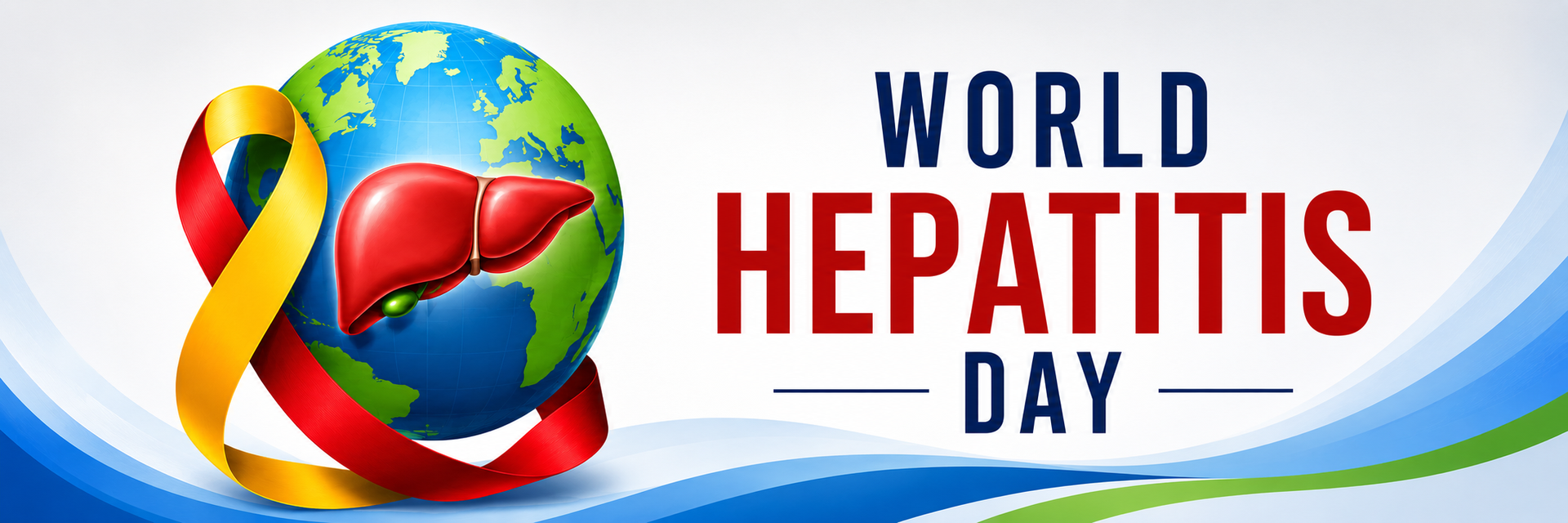
World Hepatitis Day - 28 July

World Hepatitis Day, observed on 28 July, is an important global health awareness day that reminds communities of the serious impact hepatitis can have on people's lives. Hepatitis is an inflammation of the liver, most commonly caused by viral infections, and if left untreated it can lead to long-term liver disease, liver failure or liver cancer.

This special day encourages people to learn more about hepatitis, understand how it spread...

Read more
Sponsored Articles
Banner
Banner
Banner
CATEGORIES
Top Articles In This Issue

Cancer-Inspired Immune Treatment Opens Kidney Transplant Door for Patient With ?Zero Options?

A major transplant breakthrough led by the Medical University of Vienna has shown how a treatment strategy originally developed for cancer medicine may help kidney-failure patients who are considered almost impossible to transplant. Reported on 30 July 2026, the case involved a highly sensitised patient whose immune system carried strong transplant-blocking antibodies, making it extremely difficult to find a compatible donor kidney and leaving the patient dependent on dialysis with very few realistic options. The international team used a precision immune approach to reduce those harmful antibodies before transplantation, allowing a suitable kidney to be successfully transplanted. According to the report, the patient is now doing well, has excellent kidney function and no longer needs dialysis, offering hope for people who are usually excluded from transplant because their immune systems are primed to reject donor organs. While this remains an advanced specialist treatment and not yet a routine solution for all patients, it signals an important shift in transplant medicine: instead of only searching for the ?perfect? donor match, future care may also reshape the immune barriers that prevent transplantation. For countries with high kidney-disease burdens and limited transplant access, this kind of innovation could one day help more patients move from lifelong dialysis to a functioning donor kidney.

Read more

Gut Bacteria May Leave a Protective ?Memory? Against Intestinal Inflammation

New research from Northwestern Medicine suggests that the gut may be able to ?remember? the benefits of certain healthy bacterial by-products, opening a promising new direction for inflammatory bowel disease research. The study found that butyrate, a short-chain fatty acid produced when gut bacteria break down dietary fibre, can leave a lasting molecular imprint on intestinal epithelial cells, helping them respond more calmly to future inflammatory stress. Instead of seeing gut bacteria only as temporary helpers in digestion, the findings suggest that microbiome-derived metabolites may train the intestinal lining toward better immune tolerance and stronger protection against inflammation. In research models, this protective epithelial memory helped reduce IBD-like inflammation, pointing to a deeper link between diet, fibre, gut bacteria and long-term immune balance. The discovery does not mean fibre or probiotics can replace medical treatment for people with Crohn?s disease or ulcerative colitis, but it does strengthen the idea that gut health is shaped over time by the foods we eat and the bacteria we support. For South Africa and other countries facing rising chronic inflammatory and digestive-health concerns, the message is practical and hopeful: future care may combine medicine, nutrition and microbiome science to help the gut defend itself more intelligently.

Read more

A Premium Seafood With Protein, Minerals and Smart Cautions

Abalone is a nutrient-rich shellfish that provides high-quality protein, omega-3 fatty acids, vitamin B12, iodine, selenium, iron and magnesium, which may support muscle repair, energy production, thyroid function, immunity, brain health and heart health. It is low in carbohydrates and can be a healthy seafood choice when steamed, grilled or lightly cooked instead of deep-fried or served with heavy sauces. However, abalone can be expensive, may be high in sodium depending on preparation, and can cause serious allergic reactions in people with shellfish allergies. It must also be sourced legally and safely, as poor handling can increase the risk of foodborne illness. For the best health value, enjoy abalone in moderate portions with vegetables, lemon, herbs and minimal salt.

Read more

Cigarette Smoke May Prime the Lungs for Greater Nanoplastic Damage

New laboratory research suggests that cigarette smoke may make airway cells more vulnerable to damage from tiny plastic particles, raising fresh concern about how smoking, air pollution and environmental plastics may combine to harm respiratory health. The study found that cigarette smoke extract weakened the protective barrier of human bronchial epithelial cells, making them more susceptible to polystyrene nanoparticles, a type of nanoplastic commonly used in laboratory pollution studies. When exposed together, cigarette smoke extract and nanoplastics were linked to reduced epithelial cohesion, increased mucus production, inflammation, barrier dysfunction and neutrophil activation - changes that resemble processes seen in COPD-like airway disease. This does not prove that nanoplastics alone cause COPD in humans, but it does suggest that already-stressed lungs, especially in smokers, may be less able to defend themselves against inhaled environmental particles. The findings are highly relevant for South Africa, where tobacco exposure, urban air pollution, informal burning and plastic waste may overlap in communities already facing a heavy burden of respiratory illness. The message is clear: lung health is shaped by combined exposures, and reducing smoking, improving air quality and limiting environmental plastic pollution may all form part of protecting vulnerable airways.

Read more

New Antivenom Research Offers Hope Against One of the World?s Deadliest Neglected Health Threats

Promising new research published in PNAS on 29 July 2026 could help reshape the future of snakebite treatment by pointing scientists toward a more effective way of developing antivenoms against some of the world?s deadliest snakes. Snakebite envenoming remains a major but often overlooked health emergency, especially in rural parts of Africa, Asia and Latin America, where delayed access to treatment can turn a bite into a life-threatening crisis within hours. The new findings suggest that researchers may be able to produce more potent and targeted antivenom approaches, potentially improving how venom toxins are neutralised and increasing the chances of survival for patients who currently depend on older, sometimes less precise treatments. This matters deeply for many African communities, where snakebite continues to kill and disable farmers, herders, children and rural workers, while health facilities often face shortages of antivenom and long referral delays. Better antivenom science could mean not only more lives saved, but also fewer amputations, less long-term disability and stronger emergency care in regions where snakebite is both a medical and social burden. While more work is still needed before the research changes frontline treatment everywhere, the study adds real momentum to a field that could bring faster, safer and more effective protection against one of tropical medicine?s most neglected killers.

Read more

SADC Pushes for African-Led HIV Funding as Donor Support Declines

Southern African countries are being urged to take stronger ownership of their HIV response as international donor funding becomes less certain, with South Africa?s Deputy Minister of Health, Dr Joe Phaahla, calling for urgent movement toward financial self-reliance at a SADC Secretariat session during the 26th International AIDS Conference in Rio de Janeiro. Speaking under the theme ?Sustaining the HIV Response in Southern Africa Beyond 2030,? Phaahla warned that sustainability can no longer mean simply replacing donor money, but must involve building strong institutions, domestic financing, capable health workforces, accountable governance, community partnerships and resilient public-health systems. His message comes at a critical time for Southern Africa, where HIV programmes have saved millions of lives but remain vulnerable to funding shocks, including shrinking traditional donor streams and pressure on global health budgets. Phaahla highlighted South Africa?s National Sustainability Framework, which focuses on epidemic control, financial sustainability, service delivery, governance, community enablers and resilient health systems, arguing that the future of the region?s HIV response must be domestically led, community-driven and integrated into primary healthcare and universal health coverage. The warning is clear: if SADC wants to protect decades of progress and move closer to ending AIDS as a public-health threat, the region must strengthen local funding, regional solidarity, medicine supply chains, cross-border care and health sovereignty - not as a rejection of partnerships, but as a move toward African leadership, ownership and long-term treatment security.

Read more

The Gluten-Free Grain-Like Food With Heart and Blood-Sugar Benefits

Buckwheat is a nutritious grain-like seed that is naturally gluten-free and rich in fibre, plant protein, magnesium, manganese and antioxidants such as rutin, which may support heart health, circulation and healthy blood pressure. Its fibre and slow-digesting carbohydrates can help improve fullness and support better blood-sugar control, making it a useful option for balanced meals, especially when replacing refined starches. Buckwheat may also support gut health and provide steady energy without the heaviness of highly processed foods. However, it can still raise blood sugar if eaten in large portions, and some people may experience bloating or digestive discomfort if they are not used to high-fibre foods. Rarely, buckwheat can also cause allergic reactions. For the best health value, enjoy it as porridge, in salads, soups or as a rice alternative, and keep portions moderate with vegetables and lean protein.

Read more

Home-Based Baby Support Shows Big Promise for Growth and Early Brain Development

A randomised clinical trial from low-resource neighbourhoods in South Delhi, India, has shown that vulnerable babies may do better when healthcare reaches the home, not only the clinic. Reported on 28 July 2026, the study followed 1,300 term small-for-gestational-age infants enrolled within 14 days of birth, comparing usual government care with an integrated support package that combined health guidance, nutrition support, early child stimulation and psychosocial care. Babies who received the home-based intervention showed improved growth, lower anaemia risk and better neurodevelopment outcomes by 12 months, suggesting that small babies need more than routine check-ups alone. The findings are especially relevant for countries such as South Africa, where low birth weight, poverty, food insecurity and overstretched clinics can affect early childhood development. The study strengthens the case for community health workers, caregivers and primary healthcare teams to work together from the first weeks of life, supporting feeding, responsive play, developmental milestones and maternal wellbeing. While the trial was conducted in India and should be adapted carefully for local settings, its message is powerful: the first year of life is a window of opportunity, and bringing joined-up care into the home can help small babies grow stronger, healthier and more developmentally ready for the future.

Read more

New Blood Test Could Help Detect Active TB Earlier Without Sputum

A new tuberculosis blood test presented at ADLM 2026 in Anaheim could offer a faster and more practical way to identify active pulmonary TB, especially in patients who struggle to produce sputum for standard testing. The test measures circulating ESAT-6, a protein marker produced by Mycobacterium tuberculosis, in blood samples, allowing researchers to look directly for a sign of active infection rather than relying only on sputum-based diagnosis. In the study, researchers measured ESAT-6 levels in blood samples from 217 patients, including people with active pulmonary TB and comparison groups such as people with other lung diseases, lung cancer, latent TB exposure and healthy controls. The findings suggested that blood ESAT-6 levels could help distinguish active TB from other conditions across a spectrum of exposure and disease states, supporting its potential as a pathogen-based diagnostic tool. This matters greatly for South Africa, where TB remains one of the country?s most urgent public-health challenges and where delayed diagnosis can mean ongoing transmission, worsening illness and missed treatment opportunities. While the test still needs wider validation before routine clinical use, it points to a future where TB diagnosis may become easier, faster and less dependent on sputum - a major advantage for children, very ill patients and people who cannot cough up a reliable sample.

Read more

A Local Fish With Heart Benefits and a Few Cautions

Snoek is a nutritious South African seafood choice that provides high-quality protein, omega-3 fatty acids, vitamin B12, selenium and minerals that support muscle repair, heart health, brain function and overall energy. Its omega-3 fats may help reduce inflammation and support healthy cholesterol and blood-vessel function, while its protein makes it filling and useful in balanced meals. Snoek is also often more affordable than many other fish, making it a practical source of nutrients. However, it can be high in salt when smoked, dried or heavily seasoned, and like all fish, it should be handled, stored and cooked properly to avoid foodborne illness. People who need to limit sodium should choose fresh or lightly prepared snoek where possible. For the best health value, enjoy snoek grilled, baked or braaied with vegetables, lemon and herbs instead of heavy sauces or excess salt.

Read more

Damaged Fat Cells Reveal Why Losing the Wrong Fat May Raise Diabetes Risk

New research from Michigan Medicine at the University of Michigan is changing how scientists think about fat, diabetes and metabolic health by showing that not all fat loss is automatically healthy. Reported by ScienceDaily on 26 July 2026, the study found that when fat cells become damaged, they can turn inflammatory, lose their ability to safely store lipids and eventually disappear, disrupting the body?s normal metabolism. This is important because healthy fat tissue acts like a storage and buffering system, keeping excess lipids away from organs such as the liver, pancreas and muscles, where fat build-up can contribute to insulin resistance and type 2 diabetes. The findings suggest that diabetes risk is not only about carrying too much fat, but also about whether fat cells remain healthy enough to do their job. When damaged fat tissue can no longer store energy properly, fats may spill into the bloodstream or settle in organs where they interfere with glucose control. The discovery may help explain why some people develop diabetes even without extreme obesity, and why future treatment may need to focus not just on weight loss, but on preserving healthy fat function, reducing inflammation and improving metabolic resilience.

Read more

Cholesterol Drug Shows New Promise as Add-On Treatment for Gum Disease

A new study has identified simvastatin, a widely used cholesterol-lowering medicine, as a promising add-on treatment for periodontitis, a serious gum infection that can damage the tissues and bone supporting the teeth. Reported by News-Medical on 26 July 2026, the research focused on Porphyromonas gingivalis, a major periodontitis-related bacterium that can hide inside host cells, making it harder for standard antibiotics to fully clear the infection and allowing inflammation and tissue damage to continue. Researchers found that simvastatin may help block bacterial invasion pathways and work alongside metronidazole, a commonly used antibiotic, to improve bacterial clearance at lower antibiotic doses. In a rat model of periodontitis, simvastatin combined with metronidazole reduced bacterial load, inflammation and alveolar bone loss, while also supporting bone-forming activity. The findings are still preclinical and do not mean patients should use statins as a gum-disease treatment without medical guidance, but they open an exciting drug-repurposing path: a medicine best known for heart health may one day help dentists treat severe gum disease more effectively, especially where infection, inflammation and bone loss overlap.

Read more

Winter Initiation Deaths Renew Urgent Call for Safer, Better-Regulated Traditional Practice

South Africa?s winter initiation season has come under renewed scrutiny after government confirmed that 43 initiates have died, while 180 have been rescued and 75 hospitalised, underscoring the life-and-death consequences of unsafe initiation practices. The rising toll has prompted stronger calls for collaboration between traditional leaders, parents, health authorities, law-enforcement agencies and communities to protect a cultural tradition that holds deep social and spiritual significance for many families. Authorities have stressed that the issue is not the practice itself, but the failures that occur when illegal schools operate outside the law, when initiates are admitted without proper medical screening, and when dehydration, infection, assault or delayed treatment are allowed to escalate into tragedy. The crisis has again highlighted the importance of pre-initiation health checks, registered initiation schools, trained caregivers, rapid access to medical care and strict enforcement against those who endanger lives for profit or negligence. As South Africa tries to balance respect for tradition with the duty to protect young lives, the message from government is becoming clearer: cultural heritage must be preserved through safety, dignity, accountability and lawful oversight - not at the cost of preventable deaths.

Read more

Scientists Find Hidden Collagen Warning Signs Before Skin Ageing Becomes Visible

An international research team led by Hiroshima University has developed a new way to detect early collagen damage in the skin before visible signs such as thinning, fragmentation or ageing-related structural breakdown appear. Reported on 16 July 2026, the study found that collagen?s hidden internal organisation can begin to unravel at a molecular level before the larger fibres show obvious damage under conventional imaging. Using advanced chiroptical spectroscopy together with confocal imaging, the researchers were able to examine both the molecular order and visible fibre structure of collagen in the same tissue sections, showing that changes in collagen organisation and chirality may act as early warning signals of skin ageing. This is important because collagen gives skin much of its strength, firmness and elasticity, and damage to this network is linked to ageing, wound-healing problems and sun-related skin deterioration. The discovery is still at a research stage and not yet a routine dermatology test, but it points toward a future where doctors and skincare scientists may be able to detect skin damage earlier, track treatment response more accurately and develop interventions before ageing changes become visible on the surface.

Read more

Regulators Warn Against Recalled Weight-Loss Injections as Safety Concerns Grow in South Africa

South African health regulators have issued a strong warning to doctors, pharmacists and other health practitioners not to prescribe, dispense or keep stock of recalled Semaglutide and Tirzepatide products, amid growing concern that demand for weight-loss injections is outpacing safe medical oversight. SAnews reported on 10 July 2026 that the warning applies to recalled products containing Semaglutide, Tirzepatide and combinations of the two, medicines originally developed for diabetes and metabolic care but increasingly sought for weight loss. The warning followed regulatory action involving products compounded by iDexis, with the South African Pharmacy Council, Health Professions Council of South Africa and SAHPRA stressing that continued use or dispensing could expose practitioners to disciplinary action and place patients at serious risk. Reuters reported that the recall followed a High Court interim order in a case brought by Novo Nordisk, which argued that unregistered Semaglutide products were being manufactured and sold unlawfully in South Africa?s fast-growing weight-loss market. The case highlights a wider public-health problem: while GLP-1-type medicines can be clinically valuable when properly prescribed and monitored, unsafe copies, unregistered products and casual weight-loss use can expose patients to uncertain dosing, contamination risks, poor follow-up and unmanaged side effects. The message from regulators is clear ? weight-loss trends must not override medicine safety, legal supply chains or responsible prescribing, because a popular injection is still a powerful medical product that needs professional care.

Read more

Cruise-Ship Pollution May Raise Respiratory Infection Risks in Port Cities

New research from the University of Southampton suggests that air pollution from cruise ships may do more than dirty the air around busy ports - it may also make nearby communities more vulnerable to respiratory infections. Reported by News-Medical, the study examined how emissions linked to cruise-ship activity could increase airway inflammation and weaken the body?s ability to defend against viruses such as the common cold and COVID-19. This matters because port cities often bring tourism, trade and jobs, but residents living close to docks, shipping corridors and cruise terminals may face repeated exposure to exhaust particles and gases that irritate the lungs. When the respiratory system is already inflamed, viruses may find it easier to take hold, especially among children, older adults, people with asthma, and those with chronic heart or lung disease. The findings add to a growing public-health message: transport pollution is not only an environmental issue, but a respiratory-health risk that can affect everyday immunity. For coastal and harbour communities, including those in South Africa, cleaner fuels, better ship-emission controls, port electrification and stronger air-quality monitoring could help protect both local residents and the workers who keep port economies moving.

Read more

Brains Frustration Response May Hold Key to Severe Irritability in Young People

New research is helping scientists understand why some children and adolescents experience irritability that goes far beyond ordinary frustration, pointing to the brain?s response to blocked rewards or unmet expectations as a possible core mechanism. Reported by News-Medical on 10 July 2026, the review focused on frustrative non-reward, a state that occurs when a person expects a reward or positive outcome but is prevented from getting it, triggering anger, distress or aggressive reactions in some individuals. While frustration is a normal part of development, clinically significant irritability can involve frequent, severe and developmentally inappropriate outbursts that disrupt family life, school performance and relationships. The researchers argue that studying how the brain processes frustration across both human and animal models could help identify the circuits and behaviours that make some young people more vulnerable to prolonged or extreme reactions. This matters because severe irritability is one of the most common reasons young people are referred for mental-health care, yet treatment progress has not kept pace with clinical need. By understanding the biology behind frustration sensitivity, future care may become more targeted, helping clinicians move beyond simply managing outbursts toward identifying children who need earlier emotional-regulation support, behavioural therapy or new treatment approaches.

Read more

The Sweet Spice With Blood-Sugar Benefits and Careful Limits

Cinnamon is a fragrant spice rich in antioxidants and natural plant compounds that may support blood-sugar balance, heart health, digestion and inflammation control when used in moderate amounts. It can add sweetness and flavour to foods without extra sugar, making it useful in oats, tea, smoothies and healthy baking. Some studies suggest cinnamon may help improve insulin sensitivity and support cholesterol balance, although it should never replace diabetes medication or medical care. However, too much cinnamon, especially cassia cinnamon, can contain high levels of coumarin, which may affect the liver if consumed in large amounts over time. It may also irritate the mouth or stomach in sensitive people and should be used cautiously by those on blood-thinning or diabetes medication. For most people, cinnamon is safest as a small everyday spice rather than a high-dose supplement.

Read more

Team Check-In Guides

Building Stronger Workplaces Through Better Conversations A healthy workplace is not built only through targets, deadlines and productivity. It is built through conversation. Team check-in guides give managers and employees simple, structured ways to connect, reflect and speak openly about how work is really going. In busy workplaces, people can easily become silent about stress, workload, uncertainty or personal challenges. A check-in creates space for honest conversation before small issues become bigger problems. It allows team members to share what is working, what feels difficult and what kind of support they need. Good check-ins are not interrogations. They are thoughtful conversations built on trust. Simple questions such as "What is taking most of your energy this week?", "Where do you need support?" or ?What would help you do your best work?" can open the door to better understanding and stronger teamwork. These guides also help leaders listen more actively. When employees feel heard, they are more likely to feel valued, motivated and involved. Check-ins can improve morale, reduce misunderstandings and help teams work with more clarity and empathy. The best workplaces do not wait for problems to become complaints. They create regular moments to pause, listen and adjust. Team check-in guides turn conversation into a culture - one where people feel safe to speak, supported to grow and connected to the team around them. ?

Read more

Sustainable Healthcare

Healing People Without Hurting the Planet Sustainable healthcare is no longer a future idea - it is becoming an urgent part of modern medicine. As hospitals, clinics and healthcare systems work to protect lives, they are also rethinking how care is delivered without placing unnecessary pressure on the environment. Every day, healthcare facilities use energy, water, medical equipment, packaging, transport and disposable materials to keep patients safe. While many of these resources are essential, the challenge is finding smarter ways to reduce waste, save energy and make healthcare more efficient without lowering the quality of care. A sustainable healthcare system looks beyond treatment rooms. It considers solar-powered facilities, digital patient records, reusable medical textiles, responsible waste management, greener supply chains and better building designs that use natural light and ventilation. Even telehealth plays a role by reducing unnecessary travel while improving access to care. But sustainability in healthcare is not only about the environment. It is also about creating systems that can serve communities for the long term. This means making care affordable, accessible and resilient - especially during outbreaks, climate-related emergencies and rising demand for medical services. The future of healthcare must heal in two directions: caring for the patient in front of us, while protecting the world they return to. Sustainable healthcare reminds us that a healthier planet and healthier people are not separate goals - they are part of the same prescription. ?

Read more

Smart Hospitals

Where Technology Becomes Part of the Care Team Smart hospitals are redefining what modern healthcare can look like. They combine advanced technology, connected systems and intelligent data to create hospitals that are faster, safer and more responsive to patient needs. In a smart hospital, information moves smoothly between departments. Patient records, test results, medication instructions, bed availability and medical equipment can all be connected through digital platforms. This helps doctors and nurses make quicker decisions, reduce delays and avoid unnecessary duplication. Technology also improves patient safety. Smart monitoring systems can track vital signs in real time and alert healthcare teams when a patient?s condition changes. Automated medication systems can help reduce errors, while digital check-in tools can make hospital visits more organised and less stressful. Behind the scenes, smart hospitals use data to manage resources better. They can predict busy periods, improve theatre scheduling, monitor equipment, reduce energy use and help staff work more efficiently. This means healthcare workers spend less time chasing information and more time caring for people. But the heart of a smart hospital is not machines - it is better human care. Technology becomes powerful when it gives patients comfort, gives healthcare professionals clarity and helps hospitals respond before problems grow. The future hospital will not only be more digital; it will be more connected, more compassionate and more prepared. ?

Read more

Recommended Reads

Ideas That Keep the Mind Growing Recommended reads are more than a list of books or podcasts - they are a doorway to fresh thinking. In every workplace, industry and personal journey, learning should never stop at training sessions or formal education. Sometimes, the most powerful ideas come from a chapter read during lunch or a podcast listened to on the way home. Books give us depth. They allow us to slow down, explore new perspectives and understand topics with greater focus. Whether the subject is leadership, wellness, business, creativity, communication or personal growth, a good book can challenge old habits and open the mind to better ways of working and living. Podcasts bring learning into everyday moments. They turn travel time, quiet mornings or short breaks into opportunities for inspiration. Through expert interviews, real stories and practical advice, podcasts make education feel accessible and human. Recommended reads also help build culture. When teams share books, articles and podcasts, they create conversations that go beyond daily tasks. People begin exchanging ideas, reflecting together and learning from each other's discoveries. The best recommendations do not simply fill time - they spark growth. They remind us that education is not limited to classrooms, and inspiration does not always arrive in a formal package. Sometimes, one page or one episode is enough to shift how we think, lead and connect. ?

Read more

Pharmaceuticals

The Science Behind Everyday Healing Pharmaceuticals play a vital role in modern healthcare, supporting people from the first sign of illness to long-term disease management and prevention. They are more than products on a shelf - they are carefully developed solutions designed to protect health, restore balance and improve quality of life. Prescription medicines remain one of the most important tools in treating complex conditions. Guided by doctors and pharmacists, these medicines help manage infections, pain, heart disease, mental health conditions, diabetes and many other medical needs. They offer targeted care when professional diagnosis and monitoring are required. Over-the-counter products make healthcare more accessible for everyday concerns. From cold and flu relief to pain management, vitamins, digestive support and skincare treatments, OTC products give people convenient access to basic health support while reducing unnecessary pressure on clinics and hospitals. Chronic care solutions are especially important in a world where many people live with long-term conditions. Medicines for diabetes, hypertension, asthma, arthritis and heart health help patients manage daily life with greater stability and confidence. When supported by regular check-ups, education and adherence, chronic treatment can prevent complications and improve outcomes. Vaccines and injectables represent the protective side of pharmaceuticals. They help prevent disease, strengthen public health and support targeted treatment where fast or specialised delivery is needed. From childhood immunisation to adult boosters and advanced injectable therapies, they remind us that healthcare is not only about treating illness - it is also about preventing it. In every form, pharmaceuticals help turn medical science into practical care. They connect research, prevention, treatment and patient wellbeing, making them one of the strongest foundations of a healthier future. ?

Read more

Patient - Centred Care

Healing That Starts With Listening A patient-centred approach is changing the way healthcare is delivered. It moves beyond simply treating symptoms and focuses on the person behind the diagnosis - their fears, lifestyle, culture, family responsibilities, financial realities and long-term wellbeing. In this model of care, patients are not passive receivers of treatment. They become active partners in their own health journey. Doctors, nurses and specialists work with them, not just for them, explaining options clearly, listening carefully and respecting personal choices. This creates trust, and trust often becomes the first step toward better healing. Patient-centred care also recognises that every person?s story is different. Two patients may have the same illness, but their needs may not be the same. One may need emotional support, another may need simpler medication instructions, while another may need digital follow-ups because travelling to a clinic is difficult. Better care begins when healthcare adapts to real lives. Technology is making this approach even stronger. Telehealth, patient portals, wearable devices and digital reminders help people stay connected to their care teams between appointments. Instead of waiting for problems to become emergencies, healthcare providers can offer support earlier and more personally. The future of healthcare will not be measured only by how advanced the treatment is, but by how deeply the patient is understood. A truly patient-centred approach reminds us that medicine is not just about adding years to life - it is about adding dignity, confidence and comfort to every step of the healing journey. ?

Read more

Patient Feedback Matters

The Voice That Improves Care Patient feedback is one of the most valuable tools in healthcare. It gives hospitals, clinics and medical professionals a clearer understanding of what patients truly experience - not only during treatment, but from the moment they arrive to the moment they leave. Every comment, concern and compliment tells a story. A patient may highlight long waiting times, unclear communication, confusing forms, uncomfortable facilities or moments where a nurse or doctor made them feel safe and respected. These insights help healthcare teams see beyond clinical outcomes and understand the human side of care. When feedback is taken seriously, it becomes more than opinion - it becomes a roadmap for improvement. It can guide better staff training, smoother appointment systems, clearer patient communication, improved facility design and stronger follow-up care. Small changes, inspired by real patient voices, can make a major difference in comfort, trust and satisfaction. Patient feedback also builds accountability. It reminds healthcare providers that quality care is not only measured by diagnosis and treatment, but by dignity, empathy and communication. Patients want to feel heard, understood and involved in their own care journey. The strongest healthcare systems are those that listen, learn and act. Because when patients are given a voice, healthcare becomes more responsive, more compassionate and more human. ?

Read more

Medicine's New Frontier

The Breakthroughs Rewriting the Future of Healthcare Medical research is entering one of its most exciting chapters, where science is no longer only treating disease - it is learning how to outsmart it. Across laboratories, hospitals and clinical trials, researchers are developing smarter cancer therapies, faster vaccine platforms, gene-editing tools and personalised treatments that could reshape the way doctors prevent, diagnose and manage illness. One of the strongest breakthroughs is happening in cancer care. New 'smart drugs' are being designed to expose hidden tumours to the immune system, allowing the body's own defences to recognise and attack cancer more effectively. At the same time, personalised mRNA cancer vaccines are showing promise, especially in helping prevent cancer from returning after treatment. Instead of using one-size-fits-all medicine, these therapies are built around the patient?s own tumour profile, making treatment more targeted and potentially more powerful. Gene therapy is also moving forward at remarkable speed. Scientists are developing smaller and more precise gene-editing systems that may one day help treat conditions linked to faulty DNA, including rare diseases, cancer and neurological disorders. These advances are opening the door to medicine that does not simply manage symptoms, but corrects problems at their biological source. Another major shift is the rise of AI-assisted medical research. Artificial intelligence is helping scientists analyse genetic codes, design vaccines faster, detect disease patterns earlier and speed up drug discovery. In vaccine development, AI is being used to create broader protection against virus families, which could help the world respond faster to future outbreaks. Together, these breakthroughs point to a future where healthcare becomes more personal, predictive and precise. The next generation of medicine will not only ask, 'How do we treat this disease?' It will ask, 'How do we stop it earlier, target it smarter and give every patient a better chance at recovery?' ?

Read more

Mindfulness Made Easy

Calm You Can Carry Anywhere Mindfulness does not need a quiet mountain, a perfect room or an hour of free time. At its heart, mindfulness is simply the practice of noticing the present moment without rushing away from it. It is a small pause that helps the mind breathe. In a busy world, our thoughts often move faster than our bodies. We worry about what is next, replay what has already happened and forget to feel where we are right now. Mindfulness gently brings attention back to the present ? to your breath, your senses, your body and the space around you. One of the easiest exercises is the ?three-breath reset.? Stop for a moment, breathe in slowly, and breathe out fully. Do this three times, paying attention to the feeling of air entering and leaving your body. It may take less than a minute, but it can help calm the nervous system and clear mental noise. Another simple practice is the ?five senses check-in.? Notice five things you can see, four things you can feel, three things you can hear, two things you can smell and one thing you can taste. This brings the mind away from stress and back into the real world around you. Mindfulness is not about emptying the mind. It is about creating space inside it. Whether you are at work, in traffic, at home or waiting for an appointment, a mindful pause can help you feel more grounded, focused and in control. ?

Read more

Medical Equipment

The Tools Behind Modern Healing Medical equipment is the quiet engine of modern healthcare. Behind every accurate diagnosis, safe procedure and successful recovery, there are specialised tools helping healthcare professionals make better decisions and deliver care with greater confidence. Patient monitoring equipment plays a vital role in keeping a close watch on people when every second matters. Heart rate monitors, oxygen sensors, blood pressure systems and digital vital signs displays help nurses and doctors detect changes early, respond faster and protect patients from avoidable complications. Imaging equipment gives healthcare teams the power to see what the eye cannot. X-rays, ultrasound, CT scans and MRI systems allow doctors to look inside the body, identify injuries, detect disease and guide treatment with greater accuracy. These technologies turn hidden conditions into visible information. Surgical instruments bring precision into the operating room. From basic tools to advanced minimally invasive devices, they help surgeons perform procedures with control, safety and care. The better the instruments, the better the opportunity for cleaner procedures, faster healing and improved outcomes. Rehabilitation devices complete the journey from treatment to recovery. Mobility aids, therapy machines, braces and assistive technologies help patients regain strength, movement and independence after illness, injury or surgery. Together, medical equipment does more than support healthcare ? it extends the hands, eyes and judgement of medical professionals. It transforms science into action and gives patients a better chance to be diagnosed earlier, treated safer and restored with dignity. ?

Read more

Infection Prevention

The Invisible Shield of Healthcare Infection prevention is one of the most powerful forms of protection in modern healthcare. It works quietly in the background, helping hospitals, clinics and care facilities reduce the spread of harmful germs before they can place patients and staff at risk. Every safe healthcare environment begins with simple but disciplined actions. Hand hygiene, proper use of gloves and masks, clean equipment, safe waste disposal and regular surface disinfection all play a vital role in stopping infections from spreading. These everyday practices may look small, but together they form a strong defence system. Infection prevention also depends on awareness. Healthcare workers must understand when to use protective clothing, how to handle contaminated materials, and how to follow sterilisation procedures correctly. Patients and visitors also have a role to play by washing hands, following isolation guidance and respecting safety protocols. The goal is not only to respond to infections after they happen, but to prevent them before they begin. This protects vulnerable patients, supports healthcare workers and helps facilities maintain trust, safety and quality care. Infection prevention reminds us that healthcare is not only about treatment ? it is also about protection. A cleaner environment, safer habits and stronger systems can save lives long before medicine is needed. ?

Read more

Genomics and Personalisation

Medicine Written in Your DNA Healthcare is moving into a new era where treatment is no longer designed only around the disease, but around the individual. Genomics ? the study of a person?s DNA ? is helping doctors understand why people respond differently to illness, medication and prevention strategies. Every patient carries a unique biological code. Within that code are clues about inherited health risks, how the body processes certain medicines, and which treatments may work best for specific conditions. This is where personalised medicine begins: using genetic insight to guide smarter, safer and more targeted care. In cancer treatment, genomics can help identify mutations driving a tumour, allowing doctors to choose therapies that attack the disease more precisely. In everyday healthcare, genetic information may help predict whether a patient is likely to experience side effects from certain medicines or need a different dosage. Instead of guessing, healthcare becomes more guided. Personalisation also strengthens prevention. A person with a higher genetic risk for certain conditions can receive earlier screening, lifestyle guidance and monitoring. This shifts healthcare from waiting for disease to appear, to preparing before it takes hold. The future of medicine will not be about treating everyone the same. It will be about understanding each patient more deeply. Genomics gives healthcare a new language ? one that reads the body?s blueprint and turns it into care that is more precise, more proactive and more personal. ?

Read more

Find Help Near You

Support Is Closer Than You Think Finding help is often the hardest first step, especially when someone is feeling overwhelmed, anxious, isolated or unsure where to turn. Mental health services and helplines make that first step easier by connecting people to support within their own communities. Local mental health support can take many forms. It may include counselling centres, clinics, crisis helplines, support groups, community organisations, workplace assistance programmes or online therapy platforms. Each one offers a different kind of care, but they all share the same purpose: helping people feel less alone and more supported. Helplines are especially important because they provide immediate access to someone who can listen. For many people, making a phone call or sending a message can be the bridge between silence and safety. A trained person on the other side can offer guidance, calm a crisis and help someone understand what to do next. Finding help near you also means finding support that understands your environment. Local services are often better positioned to guide people toward nearby clinics, affordable care options, emergency assistance and ongoing support networks. Mental health care should never feel out of reach. Whether the need is urgent or simply the desire to talk, knowing where to find help can make a life-changing difference. Support does not always begin with a big decision ? sometimes it begins with one call, one message or one brave search for help nearby. ?

Read more

Facility Solutions

The Hidden Systems Behind Safer Healthcare A healthcare facility is more than doctors, nurses and medical equipment. Behind every smooth patient experience is a carefully managed environment designed for safety, comfort, hygiene and efficiency. Facility solutions are the systems that keep hospitals, clinics and healthcare centres ready to deliver care every day. Hospital furniture plays an important role in patient comfort and staff performance. From adjustable beds and examination couches to waiting-room seating, trolleys and storage units, well-designed furniture helps create spaces that are practical, safe and welcoming. Sterilisation equipment protects the heart of clinical care. By ensuring that instruments, surfaces and reusable medical tools are properly cleaned and disinfected, sterilisation systems help reduce the risk of infection and support high standards of patient safety. Waste management is another critical part of healthcare operations. Medical waste must be handled responsibly to protect healthcare workers, patients, communities and the environment. Safe disposal systems help prevent contamination and keep facilities compliant and clean. Facility maintenance ties everything together. Lighting, ventilation, plumbing, electrical systems, repairs and general upkeep all influence how safely and efficiently a healthcare environment functions. When facilities are well maintained, healthcare teams can focus on what matters most ? caring for people. Facility solutions may not always be visible, but their impact is felt everywhere. They create the clean rooms, reliable systems and organised spaces that allow modern healthcare to operate with confidence. ?

Read more

Digital Support Tools

Mental Health Help in Your Pocket Digital support tools are changing the way people access mental health care. In a world where stress, anxiety and emotional overload can appear at any time, apps and online platforms are making support more available, private and flexible. These tools can help people track their mood, practise breathing exercises, follow guided meditations, journal their thoughts or connect with licensed professionals through virtual therapy sessions. For someone who may feel nervous about asking for help, a digital platform can be the first safe step toward support. Mental health apps are especially useful because they fit into everyday life. A person can pause during a busy workday for a five-minute mindfulness session, record how they are feeling before bed, or use calming audio during moments of panic. Small digital habits can help build emotional awareness and healthier coping routines. Online therapy and support platforms also make care easier to reach. People in remote areas, busy professionals, students and those with mobility challenges can access guidance without always needing to travel. This does not replace emergency or specialist mental health care, but it can strengthen everyday support. The real value of digital support tools is connection. They remind people that care does not have to wait for a crisis. With the right tools, mental health support can become more personal, more accessible and easier to carry into daily life. ?

Read more

Digital Solutions for Better Care

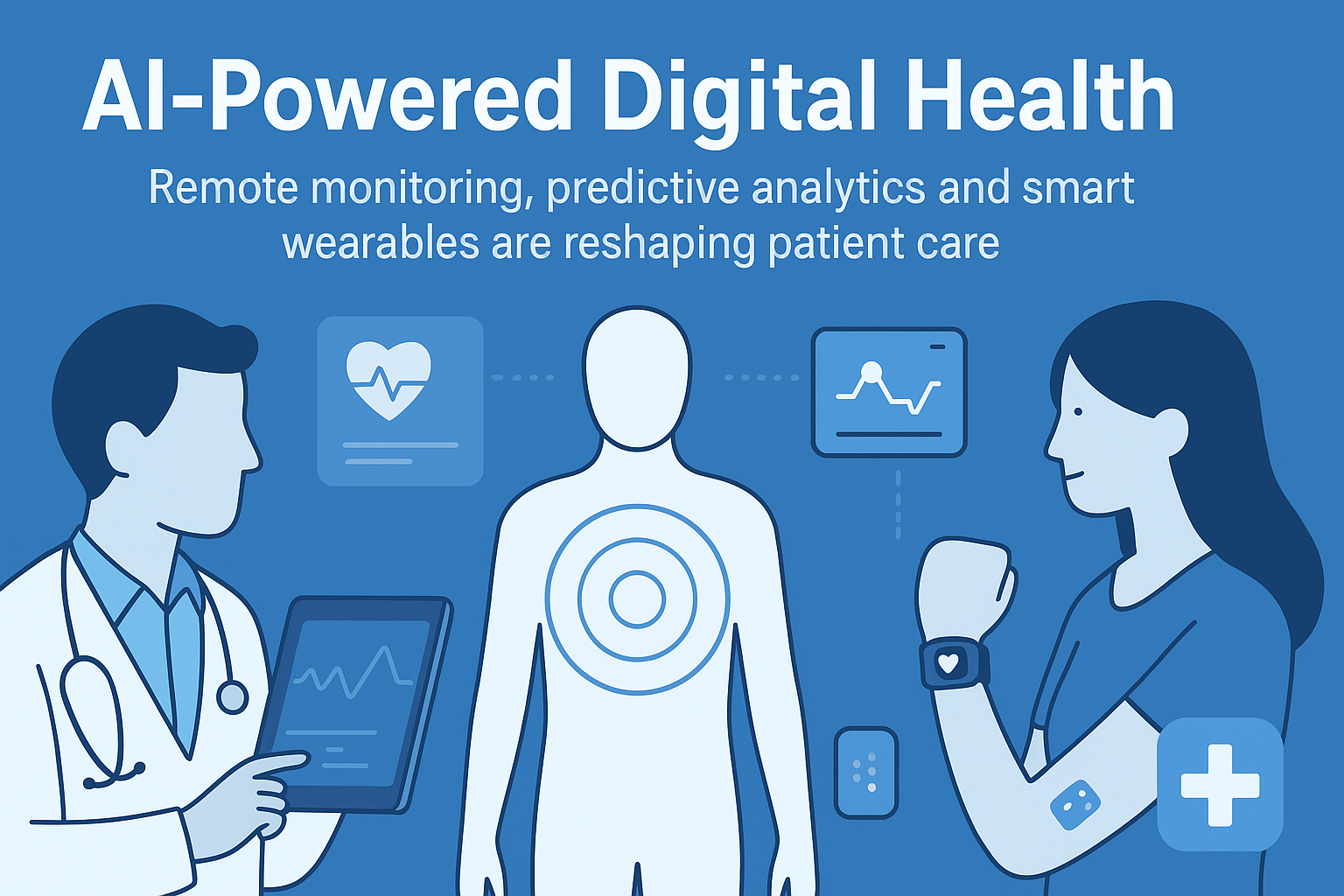
Where Technology Meets Human Healing Healthcare is no longer limited to the walls of a clinic or hospital. Today, digital solutions are reshaping the way patients are diagnosed, monitored, treated and supported ? creating a healthcare experience that is faster, more connected and more personal. From online consultations and electronic health records to wearable devices and AI-assisted screening tools, technology is helping doctors see more, respond sooner and make better-informed decisions. A patient with a chronic condition can now track their blood pressure, glucose levels or heart rhythm from home, while healthcare teams receive important data before a crisis happens. This shift is turning care from reactive to proactive. Digital tools are also improving access. In rural and busy communities, telehealth can connect patients to medical professionals without long travel times or overcrowded waiting rooms. Mobile health apps can remind people to take medication, book appointments, monitor symptoms and follow wellness plans. For many patients, this means care becomes part of everyday life instead of something they only seek when they are already unwell. Behind the scenes, data-driven systems are helping hospitals manage resources, reduce delays and improve patient safety. When information moves securely between doctors, nurses, specialists and pharmacies, care becomes smoother and mistakes become easier to prevent. The future of healthcare will not be digital instead of human ? it will be digital in service of the human. The strongest solutions will be those that use technology to give healthcare professionals more time, patients more control and communities better access to quality care. ?

Read more

Diagnostics

The Science of Knowing Early Diagnostics sit at the starting point of quality healthcare. Before treatment can begin, before a prescription is written, and before a patient can move forward with confidence, healthcare professionals need answers. Diagnostic tools make those answers possible. Pathology equipment plays a major role in identifying disease at a deeper level. From analysing blood and tissue samples to detecting infections and abnormalities, these systems help laboratories uncover what cannot be seen from symptoms alone. They turn small samples into life-changing information. Reagents and testing kits are the hidden chemistry behind accurate results. They help detect specific markers, infections, hormone levels and other biological signals that guide clinical decisions. Whether used in large laboratories or smaller clinics, these products support faster and more reliable testing. Point-of-care testing brings diagnostics closer to the patient. Instead of waiting days for results, healthcare workers can perform certain tests at the bedside, in a clinic, pharmacy or community setting. This is especially powerful when quick decisions are needed, such as checking glucose levels, infections, pregnancy, cardiac markers or other urgent health indicators. Laboratory consumables may seem simple, but they keep the entire diagnostic process moving. Tubes, swabs, slides, pipettes, containers and protective materials support safe sample collection, handling and testing. Together, diagnostics form the bridge between uncertainty and action. They help doctors detect illness earlier, treat more accurately and give patients the clarity they need. In modern healthcare, the right diagnosis is not just information ? it is the beginning of better care. ?

Read more

Consumables

The Everyday Essentials That Protect Healthcare Medical consumables may seem simple, but they are among the most important items in healthcare. Used every day in hospitals, clinics, laboratories and emergency settings, they help protect patients, support healthcare workers and keep medical environments safe and efficient. Gloves and masks form the first layer of defence. They reduce the spread of germs, protect against contamination and help create safer spaces for treatment, testing and patient interaction. In busy healthcare settings, these basic items are essential for infection prevention and professional care. Syringes and needles are equally important, supporting everything from vaccinations and injections to blood collection and emergency treatment. Their safe, sterile use allows healthcare professionals to deliver medicines accurately and collect samples with confidence. Wound care products help protect injured skin and support healing. Dressings, bandages, gauze, tapes and antiseptic supplies play a major role in preventing infection, reducing discomfort and helping wounds recover properly. PPE and protective wear complete the safety picture. Gowns, face shields, caps, aprons and protective clothing give healthcare teams the confidence to work in high-risk environments while reducing exposure to harmful substances and infectious materials. Consumables are the quiet backbone of healthcare. They may be used once, but their impact lasts far longer ? protecting lives, supporting clean care and helping every medical professional deliver treatment with safety, dignity and trust. ?

Read more

Connected Devices

The New Nervous System of Modern Healthcare Connected devices are changing healthcare by turning ordinary medical tools into intelligent sources of real-time information. From wearable heart monitors and smart glucose sensors to connected blood pressure cuffs and hospital equipment, these devices help healthcare professionals understand what is happening with a patient before problems become emergencies. In the past, many health checks only happened during appointments. Today, connected devices can monitor vital signs continuously and send updates securely to doctors, nurses or care teams. A patient recovering at home can be watched over digitally, while a person living with a chronic condition can receive earlier support when their readings show warning signs. Inside hospitals, connected devices help improve speed, safety and coordination. Smart beds can track patient movement, infusion pumps can share medication data, and monitoring systems can alert staff when a patient?s condition changes. This creates a more responsive environment where care teams can act faster and make better-informed decisions. The real power of connected devices is not simply the technology ? it is the connection they create between patient and provider. They help close the gap between hospital and home, appointment and follow-up, concern and action. As healthcare becomes more digital, connected devices will play a bigger role in personalised care. They give patients more control, give clinicians clearer insight and help build a future where healthcare does not wait for illness to speak loudly before it listens. ?

Read more

Cloud-Based Solutions

Healthcare Without Walls Cloud-based solutions are quietly becoming one of the strongest forces behind modern healthcare. They allow patient information, medical systems and care teams to connect securely from different locations, making healthcare faster, more flexible and easier to manage. In the past, important records were often locked inside filing rooms or limited to one hospital system. Today, cloud technology allows authorised doctors, nurses, specialists and administrators to access the information they need in real time. This means fewer delays, less duplication and better coordination when a patient moves between clinics, hospitals, pharmacies or specialist care. Cloud platforms also support digital tools such as telehealth, online bookings, electronic prescriptions, remote monitoring and patient portals. A doctor can review results before a consultation, a patient can receive updates without travelling, and a healthcare facility can manage appointments, billing and records from one central system. The result is care that feels more connected and less fragmented. For hospitals and clinics, cloud-based solutions can reduce pressure on outdated systems. They improve storage, protect data through secure backups, and make it easier to scale services as demand grows. During busy seasons, emergencies or outbreaks, this flexibility can help healthcare teams respond faster and work smarter. The true power of cloud healthcare is not the technology itself ? it is the freedom it creates. It gives healthcare professionals better access to information, gives patients more control over their care, and helps build a future where quality healthcare is no longer limited by location. ?

Read more

AI-Powered Diagnostics

Seeing Illness Before It Speaks AI-powered diagnostics are transforming healthcare by helping doctors detect disease faster, earlier and with greater confidence. Instead of replacing medical professionals, artificial intelligence acts like a second set of highly trained eyes ? analysing scans, lab results, patient histories and health patterns in seconds. In radiology, AI tools can help identify early signs of cancer, stroke, lung disease and heart problems from medical images. In pathology, they can scan tissue samples for abnormal cells. In primary care, digital systems can help flag warning signs before a condition becomes serious. This gives healthcare teams more time to act and patients a better chance at successful treatment. What makes AI diagnostics powerful is its ability to notice patterns that may be too subtle, too complex or too time-consuming for humans to detect quickly. A small change in a scan, a shift in blood results or a combination of symptoms can become an early warning signal. The result is healthcare that moves from late reaction to early intervention. But the future of AI in diagnosis is not only about speed. It is about fairness, accuracy and access. In areas where specialists are limited, AI-assisted tools can help support clinics and hospitals by bringing expert-level insights closer to patients who need them most. The most exciting part is not that machines are becoming smarter ? it is that healthcare is becoming more prepared. With AI-powered diagnostics, medicine is learning to listen earlier, look deeper and respond before illness has the final word. ?

Read more

Healthcare marketing in peak season

When patient demand rises, visibility, trust and timing become just as important as treatment. In season, healthcare marketing is not about selling harder, it is about serving smarter. When demand becomes visibility During high-demand periods, patients begin searching for answers before they ever walk through a practice door. They compare providers, check availability, look for trusted advice and search for services that feel reliable and easy to access. This is where healthcare marketing shifts from promotion to navigation. A good peak-season campaign helps people understand what is available, where to go, when to act and why they can trust the service. Visibility matters, but relevance matters more. Seasonal healthcare communication should be tied to real patient concerns, practical solutions and local healthcare realities. The peak-season patient mindset Patients do not engage with healthcare marketing the way they engage with lifestyle advertising. They are often anxious, time-conscious and looking for reassurance. That means the message must be clear, calm and useful. A winter vaccination campaign, for example, works best when it explains who needs protection, how to book quickly and what the outcome means for families, schools and workplaces. In peak periods, empathy becomes a competitive advantage. Campaigns that convert without feeling commercial The most effective healthcare campaigns during busy seasons are built around service, not sales language. Educational content, appointment reminders, prevention checklists, doctor Q&As and community health tips often outperform generic promotional messaging. Audiences respond when they feel informed rather than targeted. Email, SMS, WhatsApp, social media, and radio can all play a role, but the message must remain consistent across every platform. The goal is not only to attract attention, but to reduce friction and move patients toward action.

Read more

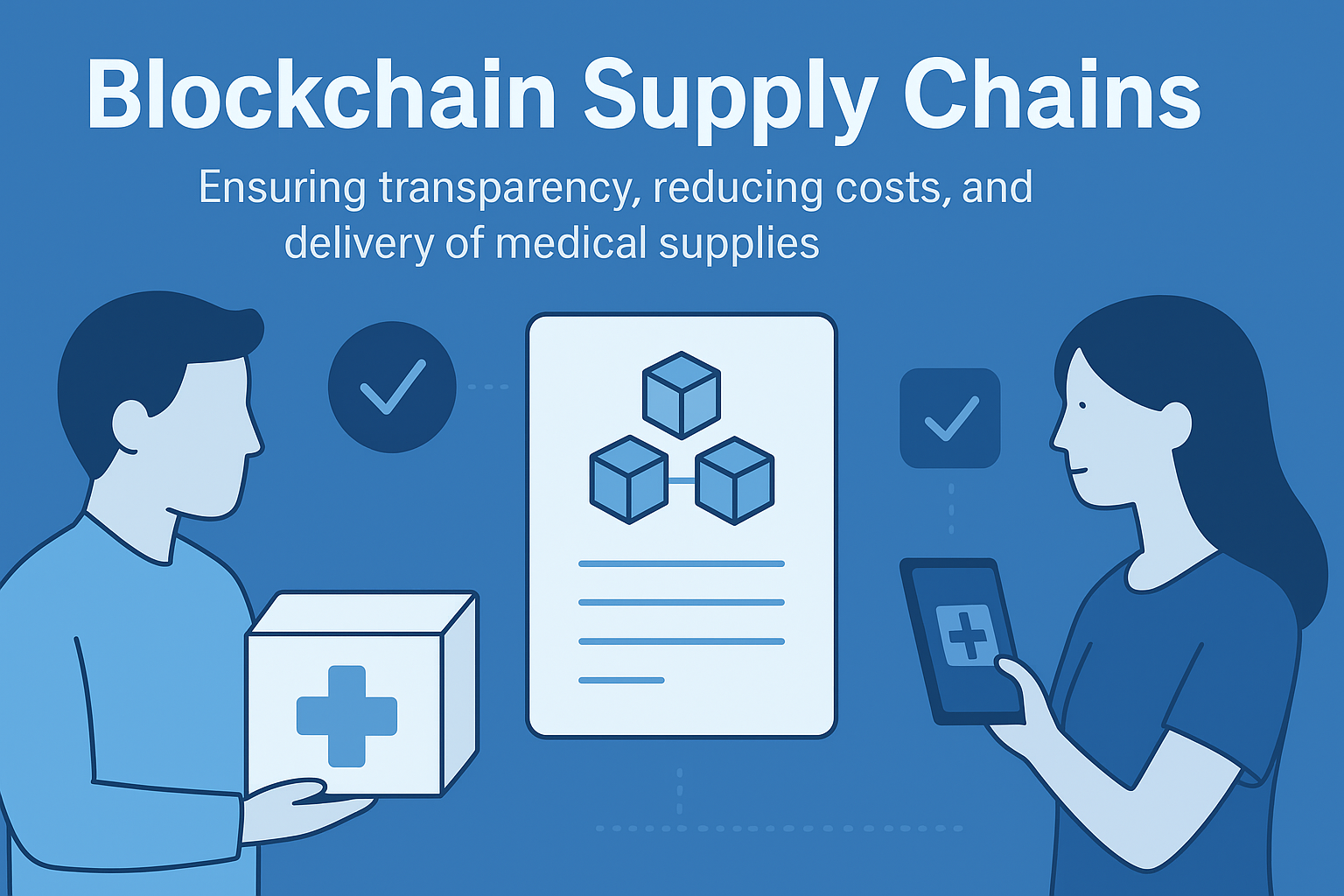
Medical supply chains under pressure

From surgical gloves to life-saving medicine, the healthcare system depends on a hidden network most people never see. But when that network breaks, hospitals feel the pressure instantly. This is the reality many healthcare facilities across the world are facing today. Medical supply chains, once considered predictable and efficient, are now under constant pressure from global disruptions, rising transport costs, manufacturing delays, and growing healthcare demand. For hospitals, clinics, laboratories and emergency units, even a small delay in essential supplies can affect patient care, staff efficiency, and daily operations. The challenge is no longer just about ordering stock. It is about securing the right products at the right time from reliable partners who understand the urgency of healthcare delivery. Stronger supplier relationships, better planning, and improved stock visibility are becoming essential to keeping facilities prepared. In today?s healthcare environment, supply chain reliability is not just an operational need. It is part of quality care. The journey of a single medical product Raw materials are sourced in one location. Manufacturing takes place somewhere else. Packaging may happen in another country, while transportation moves through ships, trucks, warehouses and airports before arriving at clinics and pharmacies. Every step depends on another step happening perfectly. When one link in the chain slows down, the effects ripple across the entire healthcare system. A delay at a shipping port can create shortages in operating rooms thousands of kilometres away. Today, hospitals are not only managing patient care, they are also managing uncertainty. ?

Read more

The business of health care

Winter Surge: Opportunity for Private Practices THE WINTER ECONOMY OF HEALTHCARE Across the country, private clinics, GPs, pharmacies, wellness centres and specialised facilities experience a dramatic increase in patient volumes during the colder months. Seasonal demand creates opportunities for practices to introduce targeted services such as respiratory care clinics, immune health consultations, vaccination drives, chronic disease monitoring and wellness screenings. Many practices are now preparing for winter months in the same way retailers prepare for holiday seasons through strategic staffing, marketing campaigns, technology upgrades and patient retention initiatives. Medical professionals are also recognising that patients today expect more than treatment alone. Convenience, shorter waiting times, online booking systems, telemedicine consultations and integrated pharmacy services have become key competitive advantages. Practices that embrace these systems are often better positioned to manage winter patient surges while maintaining high standards of care. The rise of preventative healthcare has also transformed winter into a period of patient education and long-term relationship building. The most successful practices don?t just treat illness; they build trust, educate and empower healthier communities.

Read more

The Moisture Barrier Crisis

Why colder temperatures, indoor heating, and dry air are reshaping the future of winter skincare. Winter may arrive with cosy sweaters, warm drinks, and colder mornings, but beneath the seasonal comfort lies one of the skin's greatest hidden challenges - moisture barrier damage. Across South Africa, dermatologists and skincare professionals are witnessing a growing rise in winter-related skin concerns, including dehydration, irritation, sensitivity, redness, flaking, and chronic dryness. The culprit is not simply cold weather alone, but the silent breakdown of the skin?s protective barrier, a critical layer responsible for locking in hydration and shielding the body from environmental stress. The Invisible Shield Under Attack The skin barrier, often referred to by dermatologists as the moisture barrier, functions like a protective wall made up of natural oils, lipids, and skin cells. Its role is essential - preventing moisture loss while blocking pollutants, bacteria, and irritants from entering the skin. During winter, however, this barrier comes under intense pressure. Cold outdoor air contains significantly less humidity, while indoor heaters and hot showers strip away the skin?s natural oils even faster. The result is a weakened barrier that struggles to retain hydration, leaving the skin vulnerable, inflamed, and visibly fatigued. Why Winter Skin Feels Tight, Dry, and Sensitive One of the first signs of barrier damage is the sensation of tightness after cleansing or exposure to cold air. As moisture escapes from the skin more rapidly, the face, lips, hands, and even scalp begin to show visible symptoms of dehydration. For many South Africans living in inland provinces where winter air becomes particularly dry, the effects can become severe. Fine lines appear more pronounced, skin loses its glow, and sensitivity increases dramatically. Dermatologists explain that when the barrier becomes compromised, even everyday skincare products can begin to sting or irritate the skin. The Rise of Barrier-Repair Skincare As awareness around skin health grows, barrier-repair skincare is rapidly becoming one of the most important beauty and wellness trends of the winter season. Consumers are moving away from harsh exfoliators and overly aggressive skincare routines in favour of products designed to rebuild and strengthen the skin. Ingredients such as ceramides, hyaluronic acid, glycerin, niacinamide, oat extracts, and shea butter are increasingly being recognised for their ability to restore hydration and repair damaged skin barriers. Rich creams, hydrating serums, overnight masks, and facial oils are no longer viewed as luxury products, but as essential tools for winter skin protection. Hydration Beyond the Surface Experts believe the future of skincare lies in understanding the connection between external care and internal wellness. While moisturisers protect the surface of the skin, hydration also depends heavily on nutrition, water intake, sleep quality, and stress management. Winter diets rich in healthy fats, omega-3 oils, nuts, avocados, and antioxidant-rich vegetables can help support the skin's natural resilience from within. Herbal teas and warm hydration-focused meals are also becoming part of broader winter wellness routines designed to combat seasonal dehydration. The Future of Winter Skin Wellness The moisture barrier crisis is reshaping the way consumers, dermatologists, and skincare brands approach winter health. What was once considered a cosmetic concern is now increasingly viewed as a critical aspect of overall wellness. From personalised skincare regimens to science-backed hydration therapies, the focus is shifting toward long-term skin resilience rather than quick cosmetic fixes. As South Africans prepare for colder seasons ahead, one message is becoming increasingly clear: healthy winter skin begins with protecting the barrier that protects us.

Read more

Hydration Beyond Water

Why modern winter skincare is about nourishment, protection, and restoring hydration from both inside and out. For years, hydration has been simplified into one familiar wellness instruction ? drink more water. But skincare experts now believe the science of hydration extends far beyond what is consumed in a glass. As South Africa enters colder winter months, dermatologists and wellness professionals are increasingly warning that dry air, indoor heating, harsh cleansers, and environmental stress are creating a seasonal hydration crisis that affects the skin at every level. True hydration, experts say, is no longer simply about water intake, but about protecting the skin barrier, replenishing essential nutrients, and using ingredients that actively help the skin retain moisture. Why Winter Skin Loses Moisture So Quickly During winter, the atmosphere naturally contains lower humidity levels, which causes water to evaporate from the skin more rapidly. Cold winds, hot showers, indoor heaters, and reduced natural oil production all contribute to weakening the skin's protective barrier. As hydration escapes, the skin begins to feel tight, rough, sensitive, and visibly dull. Many South Africans also experience increased irritation around the lips, hands, and under-eye area during winter, where the skin is naturally thinner and more vulnerable. Experts explain that hydration loss is not only a cosmetic issue - it can affect the skin's ability to heal, protect itself, and maintain long-term resilience. The Ingredients Redefining Winter Skincare Modern winter skincare routines are increasingly being built around scientifically proven hydration-support ingredients. Hyaluronic acid has become one of the most recognised hydration compounds due to its ability to attract and hold water within the skin. Ceramides help rebuild the skin barrier, reducing moisture loss while strengthening protection against environmental stress. Shea butter and vitamin E continue to grow in popularity for their nourishing and anti-inflammatory benefits, particularly for dry or sensitive skin. Dermatologists are also encouraging consumers to avoid overly harsh exfoliation during winter, instead focusing on gentle, barrier-supportive products that prioritise long-term skin health. Hydration From the Inside Out While topical skincare plays a major role in hydration, nutrition and internal wellness remain equally important. Winter diets rich in omega-3 fatty acids, healthy oils, antioxidants, nuts, avocados, seeds, and vitamin-rich vegetables can support the skin's ability to maintain moisture naturally. Warm herbal teas, hydration-focused meals, and reduced caffeine intake are also becoming part of broader winter wellness routines. Experts believe that skin hydration should now be viewed holistically - where sleep quality, stress levels, nutrition, and skincare all work together to maintain healthy skin. The SPF Myth of Winter One of the biggest misconceptions surrounding winter skincare is the belief that sunscreen becomes unnecessary during colder months. Dermatologists strongly disagree. UV rays continue to penetrate through clouds and winter atmospheres, contributing to premature ageing, pigmentation, and long-term skin damage. Modern winter skincare routines are therefore increasingly combining hydration with daily SPF protection. Moisturising sunscreens and SPF-infused skincare products are becoming essential tools for maintaining healthy skin throughout the season. The Future of Winter Wellness As skincare science continues to evolve, hydration is emerging as one of the most important pillars of overall winter wellness. Consumers are moving beyond quick cosmetic fixes and embracing routines that protect the skin barrier, restore nutrients, and support long-term resilience. From nutrient-rich skincare formulations to wellness-focused nutrition, the future of winter skin health is becoming increasingly holistic. In the colder months ahead, hydration is no longer just about water - it is about giving the skin every possible tool it needs to survive, repair, and thrive.

Read more

Glow Through Winter

How advanced skincare treatments and wellness-focused beauty trends are helping South Africans maintain radiant skin during the colder months. Winter has long been associated with dry skin, dull complexions, and seasonal dehydration, but a new generation of skincare innovation is transforming the colder months into a season of restoration, repair, and glow. Across South Africa, aesthetic clinics, skincare specialists, wellness spas, and dermatology professionals are witnessing a growing demand for hydration-focused treatments designed to combat the effects of winter weather on the skin. From advanced hydration facials to barrier-repair therapies and collagen-boosting rejuvenation treatments, winter skincare is evolving into a sophisticated wellness movement focused on long-term skin health rather than temporary beauty fixes. Why Winter Skin Needs Professional Support During winter, colder temperatures, dry winds, indoor heating, and lower humidity levels place intense stress on the skin barrier. As moisture evaporates more rapidly from the skin, many people begin experiencing tightness, redness, irritation, flaking, and visible dullness. Dermatologists explain that winter not only weakens hydration levels but can also slow skin recovery and increase sensitivity. This is why professional skincare treatments are becoming increasingly popular during colder months, offering deeper hydration, targeted nourishment, and barrier repair solutions that home routines alone often struggle to achieve. The Rise of Hydration Facials Hydration facials have emerged as one of the biggest winter skincare trends across South Africa's beauty and wellness industry. Unlike traditional facials focused mainly on cleansing, modern hydration therapies are designed to restore moisture levels deep within the skin while strengthening the protective barrier. Treatments infused with hyaluronic acid, vitamin E, peptides, ceramides, and antioxidant-rich serums are helping clients regain radiance and softness during the colder season. Many clinics are also incorporating LED therapy, oxygen infusion technology, and collagen-support treatments to improve circulation, calm inflammation, and enhance skin recovery. Beauty Meets Wellness The modern skincare industry is increasingly blending aesthetics with wellness, creating a more holistic approach to winter skin health. Consumers are no longer only seeking treatments that improve appearance - they are looking for experiences that support overall wellbeing, stress reduction, hydration, and long-term skin resilience. Wellness spas are now combining skincare therapies with nutrition guidance, herbal hydration rituals, massage therapy, and relaxation-focused experiences designed to support both physical and emotional wellness during winter. Technology Reshaping Winter Skincare Technology is also playing a major role in the evolution of winter skincare treatments. Skin analysis devices, AI-driven skincare recommendations, personalised treatment plans, and advanced rejuvenation technologies are helping professionals better understand individual skin needs during seasonal changes. Treatments such as microcurrent therapy, radiofrequency rejuvenation, oxygen facials, and non-invasive hydration boosters are becoming more accessible in clinics across South Africa, particularly among consumers seeking preventative skincare and healthy ageing solutions. The New Winter Glow As the beauty industry continues shifting toward preventative care and skin wellness, winter is increasingly being redefined as a season of repair rather than decline. Consumers are embracing routines and treatments that prioritise hydration, protection, and skin barrier health while investing in therapies designed to maintain a natural, healthy glow despite the harsh seasonal conditions. For many South Africans, the message is becoming clear - glowing winter skin is no longer achieved through heavy makeup or quick fixes, but through science-backed skincare, wellness-focused rituals, and consistent care.

Read more

Winter Immune Booster Recipes

Cinnamon Oat Wellness Breakfast A comforting breakfast designed for warmth, energy, and winter nourishment. Cold winter mornings often call for breakfasts that provide warmth and long-lasting energy. This cinnamon oat breakfast combines rolled oats, almond milk, walnuts, berries, banana, honey, and cinnamon into a nourishing meal rich in fibre, antioxidants, and healthy fats.Cook rolled oats slowly in almond milk with cinnamon and vanilla until creamy. Top with banana slices, fresh berries, crushed walnuts, and a drizzle of honey. The combination creates a naturally sweet breakfast with slow-release energy benefits ideal for winter routines.Oats remain one of the most widely recommended breakfast foods due to their fibre content and ability to help maintain steady energy levels throughout the day. Combined with antioxidant-rich berries and healthy nuts, this breakfast delivers both comfort and nutritional support during the colder season.

Read more

Winter Immune Booster Recipes

Citrus & Ginger Wellness Smoothie A vitamin-rich winter smoothie designed to refresh and energise. Winter wellness does not always have to come in the form of heavy meals. This bright citrus smoothie blends oranges, naartjies, pineapple, yoghurt, fresh ginger, honey, and chia seeds into a refreshing drink rich in vitamin C and antioxidants. Citrus fruits remain one of the most recognised winter ingredients due to their role in supporting immune health and hydration.To make the smoothie, combine peeled oranges, pineapple chunks, grated ginger, Greek yoghurt, honey, and chia seeds in a blender with ice. Blend until smooth and creamy. The result is a naturally sweet, refreshing drink packed with nutrients and vibrant winter flavour.Health professionals increasingly encourage nutrient-rich hydration during winter, especially as colder weather can reduce overall water intake. This smoothie offers hydration support while also providing energy, digestive support, and antioxidant-rich ingredients ideal for busy winter mornings.

Read more

The Winter Prevention Blueprint

As winter settles across South Africa, healthcare systems begin preparing for one of the busiest and most challenging periods of the year. Seasonal flu, respiratory infections, chronic illness flare-ups, and weakened immune systems place increasing pressure on clinics, hospitals, pharmacies, and families alike. Yet medical experts believe winter illness does not have to become inevitable. A growing focus on prevention, early intervention, wellness routines, and patient education is reshaping the way healthcare professionals and the public approach the colder season. The future of winter health, experts say, lies not only in treatment ? but in preparation. Understanding the Winter Health Shift Winter creates a unique combination of environmental and behavioural changes that contribute to increased illness. Lower temperatures, dry indoor air, reduced physical activity, and more time spent in enclosed spaces allow viruses and bacteria to spread more easily. Respiratory illnesses such as influenza, bronchitis, and pneumonia become more common, particularly among vulnerable populations including children, older adults, and patients with chronic health conditions. Healthcare professionals explain that prevention begins with recognising these seasonal risk factors early and implementing proactive health strategies before symptoms appear. The Power of Preventative Healthcare Preventative healthcare is becoming one of the most important pillars of modern winter wellness. Clinics and medical practices across South Africa are increasingly encouraging patients to prioritise annual check-ups, vaccinations, chronic disease monitoring, and immune-support consultations before winter conditions intensify. Flu vaccines remain one of the most effective tools for reducing severe illness and protecting vulnerable communities, while early screenings for respiratory and cardiovascular conditions can help identify risks before complications develop. Healthcare professionals also stress the importance of medication adherence during winter, particularly for patients managing asthma, diabetes, hypertension, and heart disease. Wellness Habits That Strengthen Immunity Beyond clinical prevention, wellness-focused lifestyle habits are increasingly recognised as critical components of winter health. Medical experts recommend maintaining proper hydration, balanced nutrition, quality sleep, and regular physical activity to support immune resilience during colder months. Foods rich in vitamin C, zinc, healthy fats, and antioxidants can help strengthen the body?s natural defence systems, while stress management and adequate rest play an important role in reducing immune suppression. Even simple daily habits such as frequent hand washing, ventilating indoor spaces, and avoiding close contact when symptomatic continue to remain highly effective in reducing seasonal illness transmission. Digital Health and the Future of Winter Prevention Technology is also transforming the future of preventative healthcare. Telemedicine consultations, wearable health devices, digital symptom tracking, and AI-assisted patient monitoring are helping healthcare providers identify risks earlier and improve patient outcomes during winter surges. Pharmacies and clinics are increasingly using digital platforms to promote vaccination campaigns, chronic care reminders, and personalised health education. Experts believe that combining digital health tools with preventative care strategies could significantly reduce seasonal healthcare strain in the years ahead. Building a Culture of Prevention The Winter Prevention Blueprint is ultimately about creating a culture where preparation becomes as important as treatment. Healthcare professionals are encouraging individuals, families, employers, schools, and medical institutions to view winter wellness as a shared responsibility built around education, prevention, and early action. As South Africa continues navigating evolving healthcare pressures, one message is becoming increasingly clear: the strongest winter defence is not only found in hospitals and pharmacies, but in the everyday choices people make long before illness begins.

Read more

Nutrition, Supplements and Immune Support

As winter arrives across South Africa, conversations around immune health begin to dominate pharmacy shelves, wellness blogs, social media feeds, and healthcare consultations. From vitamin cocktails and herbal tonics to immunity-boosting powders and viral wellness trends, consumers are constantly exposed to promises of stronger protection against seasonal illness. Yet healthcare professionals warn that not all winter health advice is grounded in science. As respiratory infections, flu outbreaks, and chronic health complications rise during colder months, nutritionists, doctors, and wellness experts are encouraging South Africans to focus less on quick fixes and more on evidence-based immune support strategies built around nutrition, lifestyle, and preventative care. The Science Behind the Immune System The immune system is a highly complex network designed to protect the body against viruses, bacteria, and disease. Rather than relying on a single miracle ingredient, immune health depends on multiple factors working together - including nutrition, sleep quality, stress management, physical activity, and chronic disease control. Medical experts explain that no supplement can instantly 'boost' immunity overnight. Instead, the goal is to support the body's natural defence systems through long-term healthy habits and balanced nutritional intake. The Nutrients Winter Health Depends On Nutrition continues to play one of the most important roles in maintaining winter health. Vitamin C remains one of the most widely recognised nutrients for immune support due to its antioxidant properties and role in supporting cellular defence mechanisms. Zinc is also essential for immune cell function, while vitamin D has gained growing attention during winter because reduced sunlight exposure may contribute to deficiencies. Omega-3 fatty acids, iron, selenium, and probiotics are increasingly being studied for their role in inflammation control and immune resilience. Nutritionists recommend obtaining as many nutrients as possible from whole foods such as citrus fruits, leafy greens, nuts, seeds, fish, yoghurt, legumes, and colourful vegetables. Supplements: Support or Marketing Hype? While supplements can play an important role in addressing nutritional deficiencies or supporting specific health needs, healthcare professionals caution against treating them as guaranteed protection against illness. The growing wellness industry has led to an explosion of products marketed as immune boosters, many of which lack strong clinical evidence. Experts advise consumers to approach winter supplement trends carefully, particularly products making extreme health claims without scientific backing. Doctors and pharmacists increasingly recommend personalised guidance based on individual health conditions, nutritional needs, and existing medications before starting supplement routines. Lifestyle Habits That Strengthen Immunity Modern healthcare conversations are now shifting toward a more holistic understanding of immune support. Sleep quality, stress levels, hydration, exercise, and mental wellness are all recognised as major contributors to immune resilience. Medical studies continue to show that chronic stress and sleep deprivation can weaken immune response and increase susceptibility to illness. During winter, experts encourage consistent sleep routines, regular movement, proper hydration, and stress management strategies such as mindfulness, social connection, and physical activity to support overall health. The Future of Preventative Wellness As the healthcare and wellness industries continue evolving, preventative health is becoming one of the defining themes of modern winter care. Consumers are increasingly seeking science-backed information rather than trend-driven advice, while healthcare providers are focusing more heavily on education, nutrition, and long-term wellness strategies. Experts believe the future of immune support will rely less on miracle products and more on personalised care, balanced nutrition, preventative healthcare, and sustainable lifestyle habits that strengthen resilience throughout the colder season.

Read more

Private Hospitals & Clinics Showcase Highlighting Facilities Leading in Winter Readiness and Patient Care

Where Winter Preparedness Meets Patient ConfidenceWinter places extraordinary pressure on healthcare facilities across South Africa. From increased respiratory illnesses and emergency admissions to higher patient volumes and seasonal infection risks, private hospitals and clinics are expected to respond with speed, precision, and compassion. The facilities standing out this winter are those investing not only in advanced medical infrastructure, but also in patient-centered environments designed to deliver comfort, safety, and confidence during critical moments. Building Smarter Healthcare EnvironmentsModern private healthcare facilities are evolving into highly connected care environments. Digital patient monitoring systems, AI-assisted diagnostics, integrated emergency response technologies, and streamlined admission systems are helping hospitals improve efficiency while reducing pressure on frontline medical teams. Many leading hospitals are also redesigning patient spaces to create calmer, more supportive healthcare experiences that balance clinical excellence with emotional wellbeing. The Rise of Winter-Ready Medical FacilitiesWinter readiness now extends far beyond additional beds and emergency staffing. Private healthcare providers are strengthening oxygen supply systems, respiratory support units, infection-control measures, and rapid diagnostics capabilities to ensure they remain prepared during peak seasonal surges. Facilities that can adapt quickly to changing patient demands are becoming trusted leaders within their communities. Technology Supporting Faster, Safer CareHealthcare technology continues to transform the way private hospitals and clinics operate during winter. Portable diagnostic tools, digital imaging systems, smart patient tracking, and touchless healthcare technologies are improving response times while helping reduce unnecessary contact points. Telemedicine services are also allowing facilities to extend specialist care beyond physical hospital walls, improving access to healthcare for remote and vulnerable patients. Patient Experience as a Competitive AdvantageToday's leading healthcare facilities understand that patient experience is directly connected to trust. Clear communication, shorter waiting times, modern interiors, responsive nursing care, and seamless digital systems are becoming defining factors in patient satisfaction. Private hospitals that combine clinical efficiency with compassionate care are setting new standards for healthcare excellence during the demanding winter season. The Future of Private Healthcare LeadershipAs healthcare demands continue to evolve, private hospitals and clinics are positioning themselves as innovation-driven healthcare partners. Facilities investing in modern infrastructure, smarter healthcare technologies, sustainability, and patient-focused care models are shaping the future of winter healthcare delivery. In an environment where readiness can directly influence outcomes, the healthcare leaders of tomorrow are those preparing today.

Read more

The Vitamin D Paradox

Why deficiency is common in sunny South Africa especially in winter and why testing and smarter supplementation matter more than ever. We live in a country blessed with sunshine, yet its deficiency remains strikingly common, from children to older adults. The paradox lies in how modern life, skin biology and winter habits quietly work against our bodies. Vitamin D supports bone strength, immune function, muscle performance and even mood. When levels are low, the effects are far-reaching and often overlooked. Winter worsens the gap Between May and August, the sun's rays are less direct over South Africa, which means our skin produces less vitamin D. Add more time spent indoors, heavier clothing and shorter days, and it becomes a perfect storm for declining levels. What the research shows Local studies indicate a high prevalence of insufficient vitamin D levels across diverse populations, including urban professionals, students, pregnant women and older adults.

Read more

Innovation and Technology

Why air quality is becoming a critical factor in infect control during winter. The MonitoringEcosystem Low-cost air quality sensors are being deployed by municipalities, NGOs, university research teams, and respiratory-health programmes. These devices measure PM2.5, PM10, temperature, humidity and ventilation conditions, helping map indoor risk in winter homes, clinics and schools. Partnerships between engineering departments and public-health researchers across South Africa are building the data backbone for evidence-based action. What the Data Revealed Winter monitoring reveals repeated PM2.5 spikes well above WHO guideline levels in homes using coal, wood, paraffin, or other solid fuels. Exposure builds over hours, especially in poorly ventilated rooms and is associated with coughing, wheezing, asthma aggravation, respiratory infections and increased vulnerable among children and the elderly. Public and Private Response Some clinics, public-health teams, and private innovation partners are beginning to integrate indoor air quality screening into winter prevention campaigns. This includes patient education, low-cost ventilation guidance, safer heating advice, school outreach and pilots linking air-quality monitoring to respiratory care pathways.

Read more

Digital Therapeutics in Practices

Digital therapeutics (DTx) - evidence-based interventions delivered through software to prevent, manage or treat medical conditions - are rapidly moving from pilot projects to core care pathways. In South Africa, the drivers are clear: rising chronic disease burden, uneven access to specialists and the need to support patients between clinic visits. Smartphone penetration over 70% and improved data coverage have created the rails for app-based care to scale. Hypertension lead the way. BP tracking apps with coaching, medication reminders and lifestyle nudges improve adherence and control rates. Diabetes-management platforms that sync with glucometers help patients spot trends early and avoid complications. Mental-health CBT apps expand reach for mild-to-moderate anxiety and depression - especially where therapists are scarce. What works? Simple interfaces, local-language support, clinical oversight and integration with clinic workflows. What doesn?t? Apps that are not evidence-based, designed without patients, or launched without training and follow-up. Adoption is strongest in metros and private healthcare today, but public-sector momentum is building through district pilots and national digital-health strategies.

Read more

Smart Clinics: Ai Managing Patient Overload

Forecasting 14 Days Ahead Advanced machine-learning models are helping hospitals move from reaction to preparation. By analysing real-time data streams ? including admissions, emergency arrivals, staffing levels and regional respiratory trends ? these systems generate 14-day demand forecasts with confidence bands. In Gauteng and the Western Cape, early pilot programmes are already showing why predictive dashboards can anticipate pressure before waiting rooms overflow ? enabling smoother patient flow and better use of limited resources. Public vs Private Access Integrated forecasting is giving both public and private healthcare networks their earliest possible signal of a winter surge.Shared visibility allows teams to plan staffing, bed allocation and referral pathways sooner and coordinate surge plans across regions.But the access gaps remain real some facilities still lack the infrastructure to benefit fully from live data. Where Data Meets Care AI does not replace clinicians; it equips them with better information at the right moment. When predictive tools are embedded into patient-flow operations, triage teams can respond earlier, escalate faster and protect critical services under strain. One South African hospital group has reported forecast accuracy of 87%, showing that operational intelligence is rapidly becoming part of clinical resilience. ? ?

Read more

The Invisible Powerhouse Behind South Africa's Most Resilient Medical Practices

Why some of the country's most successful specialists are choosing to stay independent without standing alone In private healthcare, there is an unspoken truth most clinicians learn the hard way: You can be exceptional at?medicine and still struggle to run a sustainable practice. For years, doctors have felt trapped between two imperfect options. Remain a solo practitioner, clinician, administrator, accountant, and debt collector all in one. Or join a large group practice, where scale brings support,?but individuality quietly fades. A growing number of South Africa?s specialists are choosing a third path. Behind many of them is a company mostpatients will never notice.?That company is Sequoia MediBill (Pty) Ltd - or simply, MediBill. www.medibill.co.za ? More Than a Medical Billing BureauMediBill is often described as a medical billing bureau?but that definition barely scratches the surface.Yes, claims are submitted.?Yes, reconciliations are managed.?Yes, reporting is handled with precision.?But the real value lies in how the service is delivered. ? Billing as a DisciplineBehind the polished experience lies serious operational?strength. Medical billing in South Africa is complex andunforgiving. Small errors lead to delayed payments, with?revenue quietly slipping through the cracks.MediBill treats billing not as a clerical task but as a discipline that demands precision, accountability, and?constant oversight.?The result is administrative confidence that supports trust, protects income, and sustains the practice long term. Real-Time Insight, Invisible SupportBy combining experienced billing specialists with advanced data analysis and intuitive digital tools, clinicians?gain real-time visibility into work in progress and revenue trends all without needing to manage the process?themselves. Whether supporting anaesthetists, surgeons, or sub-specialists, MediBill's objective is simple:Make the administrative burden invisible, so clinicians can stay focused on medicine.

Read more

Radiance Rooted in Africa: The Rise of Perile Cosmetics

In recent years, the South African skincare industry has seen a growing demand for locally developed products that understand the unique needs of African skin. One brand answering that call with confidence is Perile Cosmetics, a proudly South African skincare line that blends nature, science, and inclusivity to create clinically tested formulations designed for diverse skin tones and conditions. A Proudly Local Beauty StoryBorn from South Africa's rich natural heritage, Perile Cosmetics draws inspiration from the country's landscapes, cultures, and traditional ingredients. The brand combines time honoured natural ingredients with modern scientific formulation, creating a skincare range that is both effective and mindful of the environment. From Eastern Cape red clay to botanical extracts sourced from regions like Limpopo, Perile's commitment to local sourcing ensures that ingredients are not only potent but also support local communities and sustainable supply chains. This proudly local approach means that consumers are not just buying skincare, they are supporting homegrown innovation and community-driven beauty. Clinically Tested for African SkinOne of Perile's defining features is its dedication to clinical and dermatological testing. Each formulation undergoes thorough testing to ensure it is both safe and effective across different skin types types and tones African skin often faces unique challenges, including hyperpigmentation, sensitivity to harsh actives, and environmental stressors such as sun exposure and pollution. Perile's targeted formulations aim to address these concerns with carefully selected active ingredients that work in harmony with the skin rather than against it. The result is skincare that supports hydration, improves texture, combats acne, and reduces pigmentation while maintaining a gentle approach suitable for sensitive skin. Clean Beauty with Purpose Modern skincare consumers are increasingly conscious about what they apply to their skin and Perile delivers on that demand with a clean beauty philosophy.? Their products are: ?Cruelty-free and vegan?Free from parabens, sulphates, and harsh toxins?Made with natural, plant-based ingredients?Packaged sustainably using recyclable materials By pairing ethical production with high-performance formulations, Perile proves that effective skincare can also be responsible skincare. From Eastern Cape red clay to effective indigenous ingredients such as Aloe ferox and Baobab oil, alongside botanical extracts sustainably sourced fromregions like Limpopo. Inclusivity sits at the heart of the brand. Perile's range is designed to cater to a wide variety of skin tones, types, and concerns, ensuring that every individual can find a product suited to their needs. From deep-cleansing exfoliators to brightening serums and hydration-focused treatments, the collection aims to restore balance and reveal a naturally radiant complexion.

Read more

Dr. Dean van der Westhuizen: Advancing Ophthalmic Care in the Lowveld

Dr. Dean van der Westhuizen is a distinguished ophthalmic surgeon based in Nelspruit,Mpumalanga, South Africa. With a specialized focus on surgical retina, he offers comprehensive eyecare, including cataract surgery, corneal procedures, and refractive interventions. His expertiseencompasses the management of retinal detachments, macular holes, epiretinal membranes,vitreomacular traction, diabetic retinopathy, and intraocular foreign bodies. Academic and Clinical Training Dr. van der Westhuizen completed his Bachelor of Medicine and Bachelor of Surgery (MBChB) at theUniversity of Cape Town in 2009. He furthered his specialization in ophthalmology throughpostgraduate training at Groote Schuur Hospital, earning his Diploma in Ophthalmology(DipOphth(SA)) in 2014, for which he was awarded the Geoff Howes Medal. He later obtained hisMaster of Medicine (MMed) in Ophthalmology with distinction, focusing on validating a low?costvitreoretinal surgical simulator developed at Groote Schuur Hospital. Professional Experience Dr. van der Westhuizen's clinical journey began in Kimberley, where he worked in family medicineand general surgery before transitioning to ophthalmology. He has since co?founded the LowveldEye Institute, providing specialized eye care to patients in Mpumalanga and neighbouring regions,including Limpopo, Eswatini, and Mozambique. Community Outreach and Innovation Demonstrating a commitment to underserved communities, Dr. van der Westhuizen participated in"blind tours" throughout the Northern Cape, conducting cataract outreaches. Additionally, during hiscommunity service, he was recognized by the Bertha Centre for Social Innovation andEntrepreneurship for developing an award?winning e?prescription system implemented at localclinics in the Western Cape. Personal Interests Beyond his medical practice, Dr. van der Westhuizen is an avid landscape photographer and a selfproclaimedtechnologist. He is passionate about leveraging technology to enhance healthcaredelivery and improve quality of life

Read more

From the Heart of Africa to Your Skin: Why Natura Africa Is One of the Skincare Brands to Watch

Across the global beauty industry, one of the fastest?growing trends is the return to natural, plantbasedskincare rooted in traditional knowledge. Increasingly, consumers and healthcareprofessionals alike are looking beyond synthetic formulations and toward ingredients that have beentrusted for generations. One emerging brand capturing this movement is Natura Africa, a Southern African natural skincarecompany drawing inspiration from the continent?s rich botanical heritage. Harnessing the Power of African BotanicalsAt the heart of the brand?s philosophy is a belief that Africa?s natural ecosystems hold some of themost powerful skincare ingredients in the world. Oils derived from plants such as marula, baobab,Kalahari melon, and manketti have been used by communities across Southern Africa for centuriesfor their nourishing and protective skin benefits. Natura Africa formulates its skincare products using these botanicals, carefully blending them intofacial oils, cleansing balms, facial mists, masks, and body products designed to support healthy,balanced skin. The result is a range that emphasizes simplicity, efficacy, and purity?a philosophy that resonatesstrongly with modern skincare science and the growing demand for ingredient transparency. A Minimalist Approach to SkincareOne of the defining features of Natura Africa?s formulations is their minimalist ingredientphilosophy. Rather than complex formulations with unnecessary additives, the brand focuses onfewer, high?quality ingredients that deliver maximum benefit to the skin. All products in the range are 100% natural and vegan, and are formulated without harsh chemicals,artificial colours, or unnecessary fillers. This approach aligns closely with the preferences of many modern skincare users who are seekingclean beauty solutions that are both effective and gentle across all skin types. Ethical Beauty with a PurposeBeyond skincare performance, Natura Africa also places strong emphasis on ethical sourcing andsustainability. Many of the key ingredients used in the formulations are wild?harvested and responsibly sourced from their natural habitats, ensuring both ecological balance and community involvement in the supply chain. The brand?s philosophy is guided by the principle of ?trade, not aid,? supporting local communitiesthrough sustainable economic participation and ethical ingredient sourcing.

Read more

Restoring Sleep, Restoring Life

Advanced Sleep Assessments with CVG Clinical In today?s fast-paced world, quality sleep is often overlooked?yet it remains one of the most critical pillars of overall health. Across South Africa, thousands of individuals experience disrupted sleep without realising the long-term impact it can have on their physical, mental, and emotional wellbeing. At CVG Clinical, specialised sleep assessment services are helping patients uncover the root causes of sleep disorders and take the first step toward healthier, more restorative sleep. Sleep disorders such as obstructive sleep apnoea, insomnia, and restless sleep patterns can significantly affect daily functioning. Symptoms like excessive daytime fatigue, loud snoring, poor concentration, and morning headaches are often dismissed as minor inconveniences, but they may indicate serious underlying conditions. CVG Clinical provides comprehensive diagnostic solutions designed to accurately identify these issues and guide patients toward effective treatment pathways. Comprehensive Sleep Assessments At the core of CVG Clinical?s offering is the sleep study (polysomnography)?a gold-standard diagnostic test that monitors brain activity, breathing patterns, oxygen levels, and body movements during sleep. Conducted either in a clinical setting or through convenient home-based testing, these assessments allow patients to be evaluated in a comfortable environment while capturing detailed overnight data to detect breathing interruptions, irregular sleep cycles, and other disturbances. This level of precision ensures accurate diagnoses for both adults and children, forming the foundation for personalised care. Accurate insights lead to better treatment. Sleep Apnoea & Treatment Obstructive sleep apnoea (OSA) is one of the most commonly diagnosed conditions at CVG Clinical, where breathing repeatedly stops and starts during sleep due to airway obstruction, reducing oxygen levels and placing strain on the cardiovascular system. Often unnoticed by patients themselves, this condition can lead to serious long-term health risks if left untreated. Through advanced sleep diagnostics, CVG Clinical identifies these patterns early and provides a full continuum of care, including CPAP titration to determine optimal airflow and effective CPAP therapy to support consistent breathing throughout the night, alongside pulmonary function testing and overnight oxygen monitoring for a comprehensive approach to respiratory health. Patient-Centred Care & Early Detection With years of clinical experience in sleep diagnostics and respiratory care, CVG Clinical is committed to delivering accurate, compassionate, and patient-focused services for both paediatric and adult patients. Offering both in-clinic and convenient home-based assessments, their approach is tailored to each individual?s needs and lifestyle, ensuring accessible and reliable care. By prioritising early detection, CVG Clinical helps identify sleep disorders before they begin to impact productivity, mood, and overall health, allowing for timely intervention. This proactive approach not only restores energy and improves mental clarity but also reduces the risk of long-term health complications, helping patients reclaim the restorative power of quality sleep. Early diagnosis truly makes all the difference. Better sleep starts with the right diagnosis.

Read more

Restoring Rest: Why CPAP Needs More Than a Machine

Sleep is vital, yet many South Africans miss out because of obstructive sleep apnea (OSA) ? repeated airway collapse during sleep that causes pauses in breathing. OSA brings loud snoring, witnessed pauses, daytime fatigue, morning headaches, poor concentration and mood changes. Left untreated it raises risks for hypertension, heart disease, stroke and metabolic problems. Diagnosis requires a formal sleep study (lab or validated home test). CPAP (Continuous Positive Airway Pressure) is the gold?standard treatment: a mask delivers pressurised air to keep the airway open. Modern machines are compact and smart, but a device alone does not equal successful therapy. Real benefit depends on clinical setup, education and ongoing monitoring. What effective CPAP care looks like: - Pressure set from a validated sleep study - Professional mask fitting and patient acclimatisation - Remote monitoring of residual AHI, mask leak, usage and pressure trends - Regular review and adjustment by trained clinicians. When clinicians interpret device data and guide patients, adherence and comfort improve. CPAP becomes a managed medical intervention ? not a ?set and forget? gadget. In South Africa, CPAP should be delivered within regulated, clinically guided pathways. At CPAP Equip, therapy follows SAHPRA?compliant, Sleep Lab?led protocols, with individualized device configuration, remote monitoring and ongoing support. Beyond reducing snoring and fatigue, well?managed CPAP restores sleep architecture, eases cardiovascular strain, sharpens cognition, stabilises mood and boosts daily vitality. Early diagnosis and clinically supported treatment protect long?term health and quality of life. ? Director

Read more

BizLife - Streamlining Medical Practice Finances

How BizLife?Helps Healthcare Providers Thrive? In the complex world of healthcare delivery, clinicians want to focus on patient care ? not?paperwork. Yet behind every consultation and procedure lies a crucial administrative foundation:?accurate billing, efficient accounts management, and sound financial planning. South Africa medical?practices of all sizes are increasingly turning to specialist partners to handle these operational?functions, and BizLife is emerging as one such strategic ally.? Who Is BizLife? BizLife positions itself as a comprehensive medical account?s solutions provider, helping healthcare?practices reduce administrative burden while increasing financial accuracy and stability. Their?tagline, ?We do business. You do life,? captures the essence of their value proposition?letting?clinicians concentrate on care while BizLife oversees the financial engine of the practice.? Founded and operated by professionals with deep experience in practice administration, BizLife?offers tailored services that bridge operational gaps often experienced in practices without?dedicated accounting support. What Services Does BizLife Offer? BizLife?s service suite targets critical areas of medical accounting and practice management: Bookkeeping & Accounting: Comprehensive handling of financial records, transactions, andperiodic reporting so practitioners have a clear picture of their practice?s performance. Financial Practice Consulting: Customized advisory services to enhance efficiency, reduceoperating costs, and increase revenues. Medical Billing & Claims Submission via EDI: Ensuring accurate and timely submission ofclaims to medical schemes and funders. Debtors Accounts Capture & Management: From initial data entry to debtors follow-up and?statement reconciliation. Credit Control (Up to 120 Days): Structured monitoring and management of outstanding?accounts. Client Relations & Customer Service: Enhancing communication with both patients andreferring practitioners to address financial queries. Value-Added Support Services: Including hospital authorisations for allied healthpractitioners, outpatient PMB assistance, and first-time practice banking setup.? Why Practices Partner with BizLife Healthcare providers often find themselves stretched thin between clinical duties and theadministrative load that comes with running a practice. BizLife?s offering is designed to:? Reduce administrative overhead, freeing up time for care delivery. Improve revenue cycles through accurate billing and claims processing. Enhance financial visibility, enabling better strategic planning and budgeting. Build lasting practice sustainability, by professionalising financial practices with data-driven?insights.? Industry Alignment and Credibility BizLife works alongside respected healthcare and professional associations, linking its services with?broader systems and regulatory frameworks. Partnerships include SASAWEB (social science data?platform), Medpages (healthcare provider database), SAMEDICAL (medical devices), and the Health?Professions Council of South Africa (HPCSA).? What This Means for the South African Healthcare Sector In an environment where medical practices must balance cost pressures with quality care and?regulatory compliance, specialised back-office solutions like BizLife?s become more than an?efficiency play ? they are key enablers of sustainability. For small and medium practices especially,?outsourcing finance functions can translate to stronger cash flow, better patient experience, anddecreased risk of claim disputes or revenue leakage.?

Read more

BLOEDSUSTERS - When Science Meets Sanity

The Forensic Truth Behind Crime Scene Cleaning ? THE INVISIBLE THREAT What remains after a tragedy is often more than just a mess: blood, bodily fluids, tissue, and other potentially infectious materials (OPIM) carry blood?borne pathogens such as hepatitis, E. coli, or even coronaviruses. As BLOEDSUSTERS notes, the lifespan of a virus on a surface "depends on myriad factors," including surface type, temperature, and humidity. Ordinary household cleaners may remove the visible traces of blood and grime?but they often fail to destroy the hidden microbial threat.? ? TRAINING: FORGED IN BLOOD (AND SCIENCE) Technicians working for BLOEDSUSTERS don full personal protective equipment and adhere to rigorous, science?based protocols. The company's teams are trained in blood?borne pathogen control, respiratory protection, hazardous communication, and proper handling of regulated infectious waste. During their training, realistic scenarios are created using organic materials to authentically simulate the biochemical realities of human trauma. ? CHEMICAL ALCHEMY: HOW CLEANING BECOMES DECONTAMINATION The real work begins when these trained professionals deploy specialized chemistry. Rather than relying on bleach or basic disinfectants, BLOEDSUSTERS uses professional-grade biohazard disinfectants, enzyme-based removers and hospital-level sporicidal agents designed to break down organic matter on a molecular level. These compounds don't just disinfect, they digest. Enzymes, for instance, literally catalyse the breakdown of blood proteins, while oxidizing agents neutralize microbes by disrupting cellular structures. ? BEYOND CLEANING: VERIFICATION & SAFE DISPOSAL In high?risk remediation, it's not enough to just scrub?results must be measurable. Leading biohazard cleaners often use validation methods like ATP (adenosine triphosphate) testing to confirm that living cells (including bacteria or other pathogens) are no longer present on a surface. BLOEDSUSTERS also ensures that biohazardous material is handled, transported, and disposed of in compliance with regulations, reducing risk to the public and the environment. ? THE SCIENCE OF EMPATHY What differentiates BLOEDSUSTERS is that this is not just "hard cleaning." The work is steeped in trauma sensitivity. Because the nature of the job is emotionally taxing, the company emphasizes safety?not just biological, but psychological. They aim to give grieving loved one's peace of mind, while also eliminating potentially lethal pathogens. ? RESTORING MORE THAN SURFACES At the heart of this highly technical work lies a simple mission: to make spaces safe again. BLOEDSUSTERS' science?driven protocols are not just about removing visible evidence of trauma, they are about restoring trust in the very air we breathe, the floors we walk on, and the walls that witnessed too much. In the hands of experts, the chaos of a crime scene is converted into a clean slate, both for biology, and for the emotional.

Read more

Breakthrough Therapy for Cutaneous Lupus

Litifilimab's promise Autoimmune diseases often pose a clinical challenge due to their complexity and chronic inflammatory nature. Cutaneous lupus erythematosus — a debilitating autoimmune condition primarily affecting the skin — has long lacked a targeted therapy with consistent efficacy. In 2026, a major development arrived: litifilimab, a biologic that received the FDA’s Breakthrough Therapy designation for cutaneous lupus. Clinical studies demonstrated meaningful improvement in disease severity scores and skin lesion outcomes for patients, offering hope where previously treatments were limited and often non-specific. By focusing on a precise immune pathway, this novel therapy may help quell the inflammatory cascade at the heart of the disease with fewer systemic side effects. This targeted approach is part of a broader trend in autoimmune research — pursuing treatments that reset dysregulated immune networks rather than broadly suppressing immune function. Why These Treatments Matter Both the oral PCSK9 inhibitor and litifilimab highlight how 2026 is translating advanced science into practical, patient-centred therapies. One simplifies cardiovascular prevention for a leading global killer, while the other offers targeted relief for chronic autoimmune disease. These breakthroughs reflect a broader shift toward smarter, more precise treatments that improve daily disease management. As they progress through final trials and regulatory review, they signal a new era where convenience, specificity and biological insight work together to advance human health.

Read more

New Treatments Shaping Medicine in 2026

In 2026 the landscape of medical care is being reshaped by treatments that redefine long-standing paradigms of what?s possible in modern medicine. This year?s innovations combine deep biological insight with smarter therapeutic design, offering new ways to treat conditions from cardiovascular disease to severe autoimmune disorders. What once seemed futuristic is now entering clinical sight lines ? with therapies that are easier to administer, more precise in targeting, and broader in impact than ever before. Below are two highlight treatments from this year that not only show scientific ingenuity but also hint at how the future of personalised medicine may unfold. Oral PCSK9 Inhibitor: Transforming Heart Disease Management Unlike traditional cholesterol-lowering therapies that often require injections or complex regimens, 2026 brings with it the promise of an effective oral PCSK9 inhibitor that could dramatically simplify cardiovascular care. This investigational drug, known as enlicitide decanoate (also referred to as MK-0616), works by targeting the PCSK9 protein which normally interferes with the liver?s ability to clear ?bad? LDL cholesterol from the bloodstream. Early clinical trials have shown that daily oral doses can reduce LDL-C ? a key indicator of heart disease risk ? by around 60 percent. If approved, this pill could make potent cholesterol control accessible to millions who are unable or unwilling to use injectable therapies, potentially lowering the risk of heart attacks and strokes worldwide with a simple daily pill. This new oral approach represents a shift in how cardiovascular risk may be managed in the coming decade ? from lifelong injectable regimens toward convenient, effective, and patient-friendly protocols that align with preventive care goals.

Read more

Medical Technology 2026

The Machines and Methods That Are Rewriting Modern Medicine This year marks a turning point in how clinicians diagnose, monitor and treat disease. Innovations are no longer confined to incremental upgrades. Instead, entirely new paradigms are emerging — technologies that think with patients, adapt with conditions and intervene with precision once only imagined in science fiction. In 2026 the future of healing is both technological and deeply human, as advanced sensors decode biology in real time and adaptive machines work in sync with the body itself. Below are two standout breakthroughs — not treatments in the pharmaceutical sense, but therapeutic technologies that are changing how diseases are detected and corrected. These are the breakthroughs clinicians will look back on as the year medicine began to truly connect data, device and biology. Adaptive NeuroStimulation Systems: Rewiring the Brain With Intelligent Precision In 2026, Neurosynaptic Technologies unveiled an adaptive neurostimulation platform that represents a fundamental advance in treating complex neurological disorders. Unlike traditional nerve stimulators that deliver constant electrical pulses regardless of patient state, this new system continuously monitors neural activity and dynamically adjusts its stimulation parameters in real time. It’s a therapeutic device that listens before it acts, interpreting brain signals and tailoring its output to reduce symptoms without overstimulation. Developed in collaboration with computational neuroscientists and clinical neurologists, this next-generation stimulator is reshaping care for conditions such as epilepsy, major depressive disorder and movement disorders like dystonia and Parkinson’s disease. Early clinical deployments have shown significant reduction in seizure frequency while minimising side effects that historically accompany electrical stimulation therapies. The core innovation lies in its artificial intelligence engine, which learns each patient’s unique neural patterns and adapts stimulation — an approach that feels less like a machine operating on the brain and more like a partner in neural regulation. Adaptive NeuroStimulation Systems epitomise a shift from static therapy toward responsive, data-driven healing, where the technology behaves more like a living extension of the body than an external device.

Read more

Confronting a Silent Killer

Novel Triple Therapy in Pancreatic Cancer Research Pancreatic cancer is notorious for its stealth and lethality. Often detected too late for curative intervention, it has remained one of oncology’s most stubborn adversaries. But in the labs of 2026, a bold new strategy is emerging that could change this narrative. Researchers have developed an innovative triple-drug combination therapy that targets pancreatic cancer on three fronts simultaneously: interrupting key growth pathways, blocking feedback resistance mechanisms, and delivering a multi-angled anti-tumour assault. In rigorously controlled early studies using animal models, this regimen eradicated aggressive tumours and prevented recurrence for months without the severe toxicity typical of conventional chemotherapy. Although human trials are still forthcoming, the implications are profound: rather than merely slowing tumour progression, this approach may fundamentally disrupt the biological mechanisms cancer cells rely on to survive and adapt. This is more than incremental progress; it signals a shift toward combinatorial oncology—where simultaneous blockade of multiple targets can prevent tumours from mutating around therapy and resisting treatment. If successful in humans, it could redefine how we approach one of the most lethal cancers known to medicine. Looking Beyond the Headlines These two developments reflect a broader trend reshaping clinical innovation in 2026: treatments that are smarter, more precise and deeply rooted in biology rather than broad pharmacological effects. From engineered small molecules that fine-tune neural circuits to multi-modal anti-cancer regimens designed to anticipate resistance, the future of medicine is one where disease processes are strategically outmaneuvered. Emerging therapies—whether for movement disorders like essential tremor or for devastating cancers—remind us that today’s “hard problems” are tomorrow’s clinical triumphs. As these treatments progress through trials and regulatory pathways, the medical community watches with cautious optimism, knowing that each breakthrough brings us closer to care that is safer, more effective, and tailored to the individual. 

Read more

Rewriting the Future of Care

Breakthrough Treatments That Could Redefine Medicine in 2026 In health care’s unfolding story, 2026 is rapidly shaping up to be a year where science stops merely managing disease and starts curing the previously incurable. Across neurology and oncology, emerging therapies are pushing boundaries with precision-targeted strategies. From stabilising debilitating tremors to dismantling aggressive cancers, the following innovations are at the forefront of modern medicine—and they carry the promise of transforming patient outcomes worldwide. A New Hope for Movement: Ulixacaltamide and the Fight Against Essential Tremor Every tremor tells a story: neurons sending mis-timed signals, muscles responding with involuntary shaking that can turn simple tasks into daily challenges. Essential tremor, one of the most common movement disorders, affects millions globally and has long resisted truly effective, well-tolerated treatment. Now, in an exciting clinical leap, ulixacaltamide—an investigational T-type calcium channel inhibitor—is emerging as a potential game-changer. Unlike older therapies that broadly suppress nerve activity, ulixacaltamide works by selectively calming the very channels involved in pathological neuronal burst firing without dampening overall brain function. This targeted mechanism was shown to dramatically reduce tremor amplitude in recent Phase 3 trials, with participants reporting meaningful improvements in daily activities and fewer therapy-related side effects than typical first-line drugs. If the planned New Drug Application proceeds smoothly, this treatment could soon offer millions a new standard of care for essential tremor—with better control and improved quality of life for patients who once had only limited options. Ulixacaltamide isn’t just another compound in development; it represents a precision-driven approach to neurological medicine, moving us closer to therapies that treat dysfunction rather than just suppress symptoms.

Read more

Menopause

The Turning Season: Navigating Menopause with Knowledge and Confidence A Natural Transition, Not a Disorder Menopause marks the end of menstrual cycles and is officially diagnosed after 12 consecutive months without a period. It is not a disease. It is a biological milestone reflecting changes in ovarian hormone production, particularly oestrogen and progesterone. For many women, this transition begins years earlier during perimenopause. Subtle shifts in cycle length, sleep quality and mood may appear gradually. As autumn mirrors a season of change and recalibration, it offers a fitting metaphor for this life stage. Both represent transformation rather than decline. What Happens Hormone-Wise During menopause, declining oestrogen levels affect multiple body systems. Oestrogen influences bone density, cardiovascular health, skin elasticity, cognitive function and temperature regulation. Hot flashes and night sweats are among the most recognised symptoms. These occur due to altered thermoregulation within the brain. Sleep disturbances, mood variability and vaginal dryness are also common. In 2026, clinical discussions increasingly focus on menopause as a systemic transition rather than solely a reproductive change. Autumn and Symptom Awareness Seasonal changes can amplify certain menopausal symptoms. Cooler nights may make night sweats more noticeable. Shorter daylight hours can influence mood and circadian rhythm, particularly when sleep is already disrupted. Autumn also encourages routine, making it an ideal time to establish consistent sleep habits, structured exercise schedules and balanced nutrition plans that support hormonal adaptation. Sleep and Mood Changes Fluctuating oestrogen affects serotonin and melatonin levels, influencing mood and sleep quality. Insomnia and early morning waking are frequently reported. Structured bedtime routines, reduced evening screen exposure and moderate physical activity may improve sleep architecture. Persistent depressive symptoms or anxiety warrant medical evaluation rather than dismissal as “just menopause.” Bone and Heart Health After Menopause Oestrogen plays a protective role in bone density and cardiovascular function. After menopause, the risk of osteoporosis and heart disease increases. Weight-bearing exercise, particularly strength training, supports bone health. Adequate calcium and vitamin D intake remain critical, especially during months with reduced sun exposure. Cardiovascular screening becomes increasingly important. Blood pressure monitoring, cholesterol testing and lifestyle optimisation help mitigate long-term risk. Hormone Therapy and Modern Guidance Hormone replacement therapy, now more commonly referred to as menopausal hormone therapy, remains one of the most effective treatments for moderate to severe symptoms. In 2026, updated clinical guidelines continue to emphasise personalised risk assessment. For many healthy women within ten years of menopause onset, hormone therapy can be both safe and beneficial when appropriately monitored. Non-hormonal options are also available for those with contraindications. Open discussion with healthcare providers ensures informed decision-making.  

Read more

Vaccinations

Understanding how vaccines protect individuals, families and communities. In the modern medical landscape, vaccinations have transformed modern medicine. Diseases that once caused widespread illness and mortality are now preventable thanks to immunisation programmes developed over decades of scientific research. Vaccines train the immune system to recognise and fight harmful pathogens before they can cause serious disease. Despite their widespread use, vaccines are often misunderstood. Public awareness campaigns continue to highlight their role not only in protecting individuals but also in safeguarding communities through collective immunity. Why Vaccination Matters at Every Age Many people associate vaccination primarily with childhood immunisation programmes. While these remain essential, adults also benefit from vaccines throughout life. Immunity from certain childhood vaccines may decline over time, requiring booster doses. Vaccines are particularly important for older adults, pregnant women and individuals with chronic conditions. These groups may face higher risks from infections such as influenza, pneumonia or shingles. Safety and Ongoing Monitoring Vaccines undergo extensive testing before approval. Clinical trials evaluate their effectiveness, dosage and potential side effects. After vaccines are introduced into public health programmes, monitoring continues through surveillance systems that track safety and effectiveness.Common side effects such as mild fever or soreness at the injection site are typically temporary and indicate that the immune system is responding appropriately. Addressing Vaccine Hesitancy Vaccine hesitancy remains a challenge in some communities. Concerns often arise from misinformation or misunderstanding of scientific evidence. Healthcare professionals play a crucial role in providing clear, evidence-based information. Open dialogue between patients and healthcare providers allows individuals to ask questions and make informed decisions about their health. The Future of Vaccination Advances in biotechnology continue to expand vaccine research. Scientists are currently exploring vaccines for diseases that have long resisted prevention efforts, including certain cancers and emerging infectious diseases.These innovations highlight the ongoing importance of immunisation as a cornerstone of preventative medicine.

Read more

Longevity Habits

Secrets to a Longer, Healthier Life Longevity isn’t just about living longer it’s about living better. Scientific research consistently shows that lifestyle choices play a far greater role in determining lifespan than genetics alone. Incorporating simple, daily habits can reduce the risk of chronic disease, improve mental clarity, and boost energy. Screening For Wellness  Nutrition forms the foundation of long life. A diet rich in vegetables, fruits, whole grains, and healthy fats nourishes the body at the cellular level. Avoiding highly processed foods and excessive sugar helps prevent inflammation, heart disease, and obesity. Regular hydration, even with simple water intake, supports organ function and cellular repair. Mental Wellness Strong social connections are equally crucial. Studies show that people with meaningful relationships live longer, healthier lives. Building and maintaining friendships, family bonds, and community ties can protect against cognitive decline and improve overall happiness. Mental wellness is anotherpillar of longevity. Social Connections Practicing mindfulness, managing stress, and ensuring adequate sleep can drastically improve health outcomes. Meditation, journaling, or simply spending quiet time in nature enhances resilience against stress and supports emotional balance. Preventive Healthcare Lastly, regular health checkups and preventive screenings can detect problems early, allowing interventions that may add years to your life. Vaccinations, blood pressure monitoring, and age-appropriate screenings should not be overlooked in a longevity plan.

Read more

In Balance: Understanding Hormonal Health at Every Stage of a Womans life

The Invisible System That Shapes Everything Hormones influence far more than reproductive cycles. They regulate mood, metabolism, sleep, skin health, bone density and energy levels. Yet hormonal health is often discussed only when symptoms become disruptive. As autumn arrives and routines shift, many women notice subtle changes. Fatigue feels heavier. Sleep patterns alter. Skin behaves differently. Seasonal transitions can reveal underlying hormonal imbalances that may have gone unnoticed during busier months. Hormonal health is not about eliminating fluctuations. It is about understanding them. What Hormonal Balance Really Means Hormones function in an interconnected network involving the brain, thyroid, adrenal glands, pancreas and reproductive organs. Oestrogen, progesterone, testosterone, cortisol and thyroid hormones must work in coordinated harmony. Imbalance does not necessarily mean deficiency. It can involve excess, resistance at the cellular level or disrupted timing of hormonal signals. Clinical discussions in 2026 increasingly emphasise functional assessment rather than single-value interpretation. Context matters. Autumn and Stress Hormones As professional demands intensify toward year-end, stress levels often rise. Cortisol, the body’s primary stress hormone, plays a vital role in energy regulation and immune response. However, chronic elevation can disrupt sleep, contribute to weight gain and affect menstrual regularity. Autumn’s shorter daylight hours may also influence circadian rhythm. Reduced light exposure can impact melatonin production, which interacts with reproductive and metabolic hormones. Maintaining consistent sleep schedules and stress-management practices during this season becomes particularly important. Menstrual Health and Cycle Changes For women of reproductive age, hormonal health is often reflected in the menstrual cycle. Irregular periods, severe cramping, heavy bleeding or mood instability may indicate imbalance. Oestrogen dominance, progesterone deficiency or thyroid dysfunction can present with similar symptoms. Clinical evaluation often includes blood tests, symptom tracking and lifestyle assessment. In 2026, digital health tools that track cycles and symptom patterns are increasingly used to provide more comprehensive insight into hormonal fluctuations. Thyroid Function and Metabolic Stability The thyroid gland regulates metabolism, temperature control and energy production. Symptoms of dysfunction may include unexplained weight changes, hair thinning, sensitivity to cold and fatigue. Women are statistically more likely to experience thyroid disorders than men. Seasonal fatigue during autumn should not automatically be dismissed as weather-related if accompanied by persistent symptoms. Early detection through appropriate testing can prevent long-term complications. Perimenopause and Midlife Transitions Hormonal shifts during perimenopause can begin several years before menopause. Irregular cycles, sleep disturbances, mood variability and hot flashes may emerge gradually. Autumn often coincides with increased life responsibilities, compounding physical symptoms with emotional strain. Clinical approaches in 2026 continue to evolve, with personalised treatment plans including lifestyle modification, hormone therapy where appropriate and nutritional support. Balanced protein intake, resistance training and adequate calcium and vitamin D support bone health during this phase. Nutrition and Hormonal Support Diet plays a central role in hormone regulation. Adequate protein supports hormone synthesis. Healthy fats assist in oestrogen production. Fibre helps regulate oestrogen metabolism and supports gut health, which influences hormonal balance. Autumn produce such as leafy greens, pumpkin, lentils and citrus fruits provides antioxidants and micronutrients that support endocrine function. Limiting excessive sugar and refined carbohydrates helps stabilise insulin levels, which directly influence ovarian and adrenal hormones. Exercise and Hormonal Harmony Moderate exercise improves insulin sensitivity and supports mood regulation. Strength training enhances metabolic health and preserves lean muscle mass, particularly important during midlife transitions. However, excessive high-intensity training without adequate recovery can disrupt menstrual cycles and elevate cortisol. Balance remains essential. When to Seek Professional Guidance Persistent fatigue, irregular cycles, hair loss, mood changes or unexplained weight fluctuations warrant medical evaluation. Self-diagnosis through online symptom searches can lead to unnecessary anxiety. Comprehensive assessment may include blood tests, lifestyle review and discussion of stress levels and sleep patterns. Hormonal health is highly individual. Treatment should reflect that individuality. Restoring Rhythm Through Awareness Hormonal health is dynamic, not static. Seasonal transitions such as autumn provide opportunities to notice patterns, recalibrate habits and seek support when needed. Sleep, balanced nutrition, strength training and stress management form the foundation. Medical guidance adds precision when symptoms persist. Understanding your hormonal rhythms empowers proactive care. When supported thoughtfully, the body’s natural cycles can move through every season with resilience and stability.

Read more

Balanced by Design

Beyond Fads and Quick Fixes Nutrition trends change almost weekly. High-protein, low-carb, plant-based, intermittent fasting. The noise can make healthy eating feel complicated. Yet the foundation of good nutrition remains surprisingly steady. A balanced diet, built on variety, moderation and nutrient density, continues to be the most sustainable path to health. Autumn is an ideal time to recalibrate. As the pace of the year settles and seasonal produce shifts, many people naturally gravitate toward warmer, heartier meals. This presents an opportunity to build balanced plates that nourish the body rather than restrict it. What Does a Balanced Diet Actually Mean? A balanced diet includes appropriate proportions of macronutrients, carbohydrates, proteins and fats, alongside essential micronutrients such as vitamins and minerals. It is not about eliminating entire food groups. It is about combining them intelligently. Carbohydrates provide energy for the brain and muscles. Whole grains and fibre-rich sources support digestive and cardiovascular health. Protein supports muscle repair, immune function and satiety. Healthy fats assist with hormone production and nutrient absorption. Recent dietary guidance discussed in 2026 continues to emphasise whole-food patterns rather than extreme restrictions. Mediterranean-style eating patterns remain among the most studied for long-term heart and metabolic health. Autumn Produce and Nutritional Advantage Seasonal eating often aligns naturally with balanced nutrition. Autumn vegetables such as pumpkin, butternut, sweet potatoes and leafy greens provide beta-carotene, fibre and antioxidants that support immune function. Citrus fruits entering season contribute vitamin C, particularly important as respiratory illnesses increase in cooler months. Whole grains such as oats and brown rice offer sustained energy and support blood sugar regulation. Legumes, including lentils and beans, provide plant-based protein and fibre, supporting heart health and digestive balance. Eating seasonally often enhances nutrient density while improving flavour and satiety. The Role of Portion and Moderation Balanced eating also requires portion awareness. Overconsumption, even of healthy foods, can contribute to weight gain and metabolic strain. Conversely, under-eating may lead to nutrient deficiencies and fatigue. Plate-based guidance remains practical for beginners. Half the plate filled with vegetables, one quarter with lean protein and one quarter with whole grains provides a visual framework that simplifies decision-making. Hydration is frequently overlooked during cooler months. Reduced thirst signals in autumn can lead to mild dehydration, which impacts energy and concentration. Addressing Common Nutritional Gaps Clinical assessments in 2026 continue to show deficiencies in vitamin D, iron and omega-3 fatty acids in many populations. Balanced diets that include fatty fish, fortified dairy or plant alternatives, nuts and seeds can help address these gaps. For individuals following vegetarian or restrictive diets, professional guidance may be beneficial to ensure adequate micronutrient intake. Balanced Diets and Chronic Disease Prevention Nutrition plays a direct role in preventing chronic conditions such as cardiovascular disease, type 2 diabetes and certain cancers. Diets high in fibre, healthy fats and diverse plant foods are consistently associated with lower inflammatory markers and improved metabolic outcomes. Autumn is a strategic season to implement preventive habits before winter indulgences increase. Planning balanced meals in advance reduces reliance on convenience foods that are often high in sodium and added sugars. The Psychological Side of Eating Balanced nutrition also involves a healthy relationship with food. Restrictive cycles can lead to guilt and inconsistency. Mindful eating practices encourage awareness of hunger and fullness cues, improving long-term sustainability. Building Sustainable Autumn Habits Start by reviewing your current intake without judgment. Gradually increase vegetable diversity. Replace refined grains with whole alternatives. Prioritise lean proteins. Keep healthy snacks accessible. Prepare meals at home when possible. Small, repeated adjustments often produce greater long-term benefit than drastic short-term overhauls. Nourishment for the Season Ahead Balanced diets do not demand elimination. They encourage inclusion of diverse, nutrient-rich foods that work together to support energy, immunity and resilience. As autumn unfolds, think of your plate as preparation for the colder months ahead. Consistent, balanced nutrition strengthens the foundation on which all other health habits rest. Healthy eating is not about intensity. It is about thoughtful, repeatable choices that align with both science and lifestyle.

Read more

Five-Minute Breakfast

Golden Start In a world where mornings are rushed and energy often feels stretched thin, the meals we choose at the start of the day can quietly determine how we feel for hours afterward. Quick healthy meals are not just about convenience; they are about strategic nourishment. The right ingredients, combined simply and prepared in minutes, can support focus, balance blood sugar and protect the body against long-term inflammation. One of the most effective examples of this philosophy is a carefully built avocado and egg toast. This meal works so well medically because every component serves a function in the body. Avocado delivers monounsaturated fats that help lower bad cholesterol while supporting healthy blood vessels and brain performance. These fats also assist the absorption of fat-soluble vitamins, allowing your body to extract more nutrition from everything else you eat that day. Eggs provide complete protein containing all essential amino acids, which stabilises blood sugar levels and prevents the mid-morning crash so many people experience. Eggs are also one of the richest sources of choline, a nutrient strongly associated with memory, concentration and nervous system health. The inclusion of wholegrain bread turns this simple meal into a powerful metabolic stabiliser. Its fibre slows digestion, supports gut bacteria and keeps glucose levels steady, which is especially important for people managing energy dips, insulin resistance or early signs of metabolic syndrome. Even the lemon juice and herbs used to finish the dish contribute antioxidant compounds that help the body combat oxidative stress. This is not just a fast breakfast. It is preventative nutrition disguised as comfort food. Recipe: Creamy Avocado & Egg Power Toast Serves one person generously. Two slices of wholegrain bread are toasted until golden and crisp. One ripe avocado is mashed with fresh lemon juice, a pinch of salt and cracked black pepper until creamy. The avocado is spread thickly over the toast. Two eggs are cooked either poached or softly fried and placed gently on top. A final sprinkle of chilli flakes and fresh parsley finishes the dish. The result is rich, satisfying and deeply nourishing, yet light enough to leave you energised rather than sluggish. This is the kind of meal that proves healthy food does not need to be complicated to be effective.  

Read more

Healthy Meals

The Light, Fast Lunch That Supports Digestion and Strengthens Immunity Quick healthy meals become most powerful when they support the systems we rarely think about but rely on every day: digestion, immunity and inflammation control. A well-constructed plant-based bowl can do all three simultaneously, while still taking less than ten minutes to prepare. The Lemon Chickpea Refresh Bowl is a perfect example of how food can feel light yet function as genuine medicine for the body. Chickpeas form the nutritional backbone of this meal. They provide plant-based protein that supports muscle maintenance and tissue repair while delivering soluble fibre that feeds beneficial gut bacteria. A healthy gut microbiome is directly linked to stronger immunity, improved mood regulation and reduced systemic inflammation. This means a simple chickpea-based meal can influence far more than just hunger levels. Cucumber brings hydration and natural silica, which supports skin elasticity and connective tissue health. Its high water content also supports kidney function and detoxification processes. Fresh herbs such as parsley and coriander contribute powerful antioxidants and natural antimicrobial compounds, while lemon juice stimulates digestive enzymes and supports liver function. Olive oil completes the meal with anti-inflammatory fats that protect cardiovascular health and assist long-term joint support. This is the kind of meal that feels refreshing on the plate but deeply restorative inside the body. Recipe: Lemon Chickpea & Cucumber Refresh Bowl Serves one to two people. One cup of drained chickpeas is added to a bowl along with half a chopped cucumber and a handful of halved cherry tomatoes. Fresh parsley or coriander is stirred through generously. The salad is dressed with extra virgin olive oil, fresh lemon juice, salt and cracked black pepper, then gently mixed. For extra creaminess and protein, a spoonful of plain Greek yoghurt can be added on top before serving. The final dish is crisp, bright and satisfying, perfect for lunch, a light dinner or a nutrient-rich side. It supports digestive health, keeps blood sugar stable and delivers sustained energy without heaviness.

Read more

Low Sugar Desserts

Sweet Without Sugar The Breakfast That Balances Blood Sugar and Protects Your Energy Low-sugar eating is not about removing pleasure from food but about restoring balance in the body. Excess added sugar is strongly linked to blood sugar instability, chronic fatigue, weight gain and increased risk of type 2 diabetes. Choosing naturally low-sugar meals allows the body’s energy systems to function smoothly, supporting mental clarity, hormonal balance and long-term metabolic health. A carefully built breakfast such as chia and yoghurt pudding shows how satisfying and indulgent low-sugar eating can be. This type of meal works on a physiological level because of its effect on glucose regulation. Chia seeds absorb liquid and form a gel-like texture that slows digestion, which prevents rapid spikes in blood sugar and promotes longer-lasting fullness. They are also rich in fibre and omega-3 fatty acids, both of which support heart health and reduce systemic inflammation. Greek yoghurt contributes high-quality protein and probiotics that support gut health, immunity and appetite regulation. When the gut microbiome is supported, cravings for sugar often naturally decrease. Berries offer natural sweetness while remaining low on the glycaemic index, meaning they do not trigger the same blood sugar surge as refined sugar. They also provide powerful antioxidants that protect cells from oxidative damage and support brain and cardiovascular health. Cinnamon, often added to this dish, has been shown to improve insulin sensitivity and further stabilise blood sugar. The result is a meal that feels indulgent but actively protects the body against the damaging effects of excess sugar. This is low-sugar living at its most elegant, nourishing and sustainable. Recipe: Low-Sugar Chia, Greek Yoghurt & Berry Pudding Chia seeds are soaked in unsweetened almond milk and left for several hours or overnight until thick and creamy. Thick Greek yoghurt is spooned into a serving glass, followed by a layer of chia pudding. Fresh blueberries and raspberries are added on top for natural sweetness. A light dusting of cinnamon finishes the dish. The final texture is smooth, refreshing and satisfying, offering a naturally sweet breakfast or snack that supports stable energy throughout the day.

Read more

Low-Sugar Dinner

Comfort Without the Crash Many people associate low-sugar eating only with desserts, yet some of the biggest sources of hidden sugar are found in everyday savoury meals, especially processed sauces, marinades and convenience foods. A well-designed low-sugar dinner focuses on whole ingredients that nourish the body deeply while keeping blood sugar levels stable long after the meal is finished. Grilled salmon with roasted vegetables is a powerful example of how naturally low-sugar food can feel rich, comforting and deeply satisfying. This meal supports the body medically because of its impact on inflammation, insulin regulation and hormonal balance. Salmon is naturally free of sugar and rich in omega-3 fatty acids, which are strongly associated with reduced inflammation, improved heart health and enhanced brain function. These fats also help improve insulin sensitivity, making the body more efficient at managing blood glucose levels. Protein from salmon supports muscle repair and stabilises appetite hormones, reducing late-night sugar cravings. Roasted vegetables such as broccoli, peppers and courgettes provide natural sweetness through caramelisation without the need for added sugar. These vegetables are rich in fibre, which slows the absorption of glucose and supports digestive health. They also provide essential micronutrients such as vitamin C, potassium and polyphenols, which contribute to immune function and cellular protection. Olive oil, used for roasting, adds healthy fats that further enhance satiety and cardiovascular protection. This kind of low-sugar meal does more than simply avoid harm. It actively trains the body to function optimally, supporting consistent energy, improved mood and long-term metabolic resilience. Recipe: Low-Sugar Grilled Salmon with Roasted Vegetables Fresh salmon fillets are lightly seasoned with salt, black pepper, lemon juice and garlic, then grilled until tender and flaky. Broccoli florets, sliced red peppers and courgettes are tossed in olive oil and roasted until golden and caramelised. The vegetables are served alongside the salmon, with an extra squeeze of lemon over the plate before serving. The finished dish is rich, satisfying and naturally flavourful, proving that low-sugar meals can be both indulgent and deeply supportive of long-term health. 

Read more

Home Workouts

A Season to Reset, Not Retreat As autumn settles in and mornings grow cooler, motivation to head outdoors or drive to the gym can quietly decline. Shorter days and busier year-end schedules often disrupt consistency. Yet this seasonal shift presents an opportunity rather than an obstacle. Home workouts offer flexibility, privacy and adaptability that align perfectly with autumn’s slower rhythm. Instead of viewing the season as a time to scale back, many health professionals encourage using it as a structured reset. Training at home removes travel time, eliminates weather excuses and allows exercise to fi t seamlessly into daily routines. Why Home Workouts Continue to Grow The global shift toward at-home fitness that accelerated in recent years has not slowed. In 2026, fitness trend reports continue to highlight digital training platforms, bodyweight programs and hybrid coaching models as dominant forces in the industry. Many individuals now combine occasional gym visits with structured home routines. Physiotherapists and sports physicians note that consistency is the most important variable in long-term health outcomes. Home workouts often increase adherence because they reduce logistical barriers. When exercise becomes convenient, it becomes sustainable. The Autumn Advantage Cooler weather can support endurance and strength training. Exercising in a well-ventilated indoor environment during autumn reduces heat stress while still allowing effective cardiovascular sessions. Additionally, maintaining regular movement during seasonal transitions supports immune function and mental resilience, particularly as daylight hours shorten. Autumn is also a strategic time to build foundational strength before winter. Strength training improves metabolic health, supports joint stability and enhances posture, all of which contribute to long-term wellbeing. Building a Balanced Home Routine A well-structured home workout does not require extensive equipment. Bodyweight movements such as squats, lunges, push-ups and planks target major muscle groups. Resistance bands or adjustable dumbbells can add progressive challenge. A yoga mat creates space for mobility and core training. The Mental Health Connection Exercise remains one of the most powerful non-pharmaceutical tools for stress management. As professional and personal responsibilities intensify toward the end of the year, structured movement can stabilise mood and improve sleep quality. Research discussions in 2026 continue to reinforce the link between moderate strength training and reduced symptoms of anxiety and low mood. Establishing a predictable home workout schedule during autumn can anchor daily routines and improve overall mental clarity. Common Mistakes to Avoid Without supervision, some individuals rush through movements or neglect proper form. Overtraining is another risk, particularly when enthusiasm spikes at the start of a new routine. Gradual progression remains essential. Hydration is equally important during cooler months. People often drink less water in autumn, which can affect performance and recovery. Recovery practices such as stretching and adequate sleep should be prioritised alongside training. A Simple 30-Minute Autumn Blueprint Five minutes of dynamic warm-up movements to activate joints and increase circulation. Fifteen minutes of strength training focused on lower body and upper body compound exercises. Five minutes of core work to enhance stability. Five minutes of stretching or mobility to cool down and support recovery.This structure offers balance without overwhelming busy schedules. Making It Sustainable The most effective home workout plan is one that fits your environment and energy levels. Set realistic goals. Designate a specifi c area in your home for movement. Keep equipment visible to reduce friction. Schedule workouts as appointments rather than optional activities. Autumn invites reflection and preparation. By committing to consistent home training now, you create momentum that carries through winter and into the new year.

Read more

Cardio Health

A Quiet System That Powers Everything Your heart works without pause. It beats more than 100,000 times a day, delivering oxygen and nutrients to every organ, every muscle, every cell. Yet cardiovascular health is often overlooked until symptoms appear. Autumn presents a timely reminder to check in with this vital system. As temperatures cool and routines shift indoors, physical activity levels often decline, and small lifestyle changes can quietly influence heart health. Cardiovascular disease remains one of the leading causes of mortality worldwide. The encouraging reality is that many risk factors are modifiable. Movement, nutrition and stress management all play measurable roles in protecting the heart. Why Autumn Matters for the Heart Seasonal transitions influence more than mood. Cooler weather can cause blood vessels to constrict, potentially increasing blood pressure. Studies continue to show a seasonal rise in cardiac events during colder months, particularly among individuals with existing risk factors. This makes autumn a strategic period for preventative action. Establishing consistent exercise habits, monitoring blood pressure and refining nutrition before winter can significantly reduce risk. Understanding Cardiovascular Risk Cardio health is influenced by multiple interconnected factors. High blood pressure, elevated cholesterol, diabetes, smoking, chronic stress and sedentary lifestyle all contribute to strain on the cardiovascular system. Recent clinical discussions in 2026 have highlighted the growing concern around “silent risk.” Many individuals with early cardiovascular changes experience no obvious symptoms. Routine screening, including blood pressure checks and lipid profiles, remains essential. Increased attention is also being placed on inflammation as a contributing factor to heart disease. Researchers are examining how chronic low-grade inflammation, often linked to poor diet and stress, accelerates vascular damage. Movement as Medicine Cardiologists consistently recommend regular aerobic exercise as a cornerstone of heart health. Activities such as brisk walking, cycling, swimming or structured indoor cardio sessions improve circulation, strengthen the heart muscle and enhance oxygen effi ciency. During autumn, cooler air can make outdoor cardio more comfortable and sustainable. Aiming for at least 150 minutes of moderate-intensity activity per week aligns with international cardiovascular guidelines. For those new to exercise, even small increments matter. A 20-minute daily walk can significantly improve blood pressure and insulin sensitivity over time. Nutrition for a Stronger Heart Cardio health extends well beyond exercise. Diet plays a direct role in cholesterol levels, blood pressure and inflammatory markers. Autumn produce provides an excellent foundation for heart-friendly meals. Leafy greens, pumpkin, sweet potatoes and citrus fruits are rich in antioxidants and fibre. Omega-3 fatty acids found in fatty fish, flaxseeds and walnuts support vascular health. Reducing sodium intake and limiting processed foods can help stabilise blood pressure. Hydration remains important even when temperatures drop and thirst cues lessen. Stress and the Cardiovascular System Chronic stress elevates cortisol and adrenaline, increasing heart rate and blood pressure over time. As professional demands intensify toward the end of the year, stress management becomes critical. Research in 2026 continues to reinforce the link between mindfulness practices and improved cardiovascular markers. Simple habits such as deep breathing, structured sleep routines and scheduled downtime can positively influence heart health. Warning Signs Not to Ignore Chest discomfort, shortness of breath, unusual fatigue, palpitations or dizziness should never be dismissed. While not all symptoms indicate serious disease, early evaluation can prevent complications. Preventative cardiology emphasises early detection. Regular health screenings, particularly for individuals over 40 or those with family history, remain one of the most effective protective strategies. Building a Sustainable Autumn Plan Cardio health is not built through dramatic short-term effort. It develops through consistency. Establish a realistic weekly exercise schedule. Prepare balanced meals in advance. Monitor blood pressure periodically. Prioritise sleep. Autumn offers a reflective season to implement these habits before winter inactivity takes hold. The cumulative impact of small, steady improvements can transform long-term outcomes.  

Read more

Back to Nature: The Rise of Thoughtful Natural Skincare This Autumn

A Seasonal Return to Simplicity Autumn carries a quiet invitation to slow down. As temperatures soften and routines shift, many people reassess not only their wardrobes and wellness habits but also what they apply to their skin. Natural skincare continues to gain momentum, driven by a desire for transparency, sustainability and gentler formulations. For those navigating dryness or sensitivity during autumn, natural skincare often feels like a comforting reset. Botanical oils, plant extracts and minimal ingredient lists can support the skin barrier at a time when cooler air and indoor heating begin to challenge hydration levels. What Does Natural Skincare Really Mean? The term “natural” is frequently used but not always clearly defi ned. In dermatological terms, natural skincare refers to products derived primarily from plant or mineral sources, often formulated without synthetic fragrances, parabens or harsh surfactants. However, natural does not automatically mean suitable for everyone. Some essential oils and botanical extracts can irritate reactive skin. The key lies in formulation quality and concentration rather than marketing language. Dermatologists encourage patients to look for clinically tested products that combine botanical ingredients with scientifi c validation. Autumn Ingredients That Support the Skin Seasonal transitions call for ingredients that restore balance and reinforce the skin barrier. Natural options that work particularly well in autumn include: Cold-pressed jojoba oil, which mimics the skin’s natural sebum and helps regulate oil production without clogging pores. Aloe vera, known for its soothing and hydrating properties. Rosehip oil, rich in essential fatty acids and antioxidants that support skin repair. Oat extract, which calms irritation and strengthens the barrier. As humidity drops, these ingredients can provide nourishment without the heaviness of synthetic occlusive formulas. When Natural Is Not Enough While natural skincare offers many benefi ts, it is important to recognise its limitations. Persistent acne, rosacea, eczema or pigmentation often require targeted medical treatment. Dermatologists caution against replacing necessary clinical therapies with untested natural alternatives. Instead, natural products can complement professional care. For example, a prescribed retinoid for acne may be balanced with a gentle botanical moisturiser to reduce irritation during autumn’s drier conditions. Building a Natural Autumn Routine A thoughtful autumn routine may begin with a mild cream cleanser containing oat or chamomile. Follow with a hydrating serum featuring plant-derived hyaluronic acid. Seal in moisture with a nourishing oil or barrier-repair cream. Daily sunscreen remains essential, even during cooler months. Patch testing remains crucial, especially for those with sensitive skin. Introducing one product at a time allows the skin to adjust and prevents confusion if irritation occurs. Hydration from within is equally important. Autumn produce such as pumpkin, sweet potato and leafy greens provides beta-carotene and antioxidants that support skin health at a cellular level. The Emotional Appeal of Natural Care Beyond ingredients, natural skincare often resonates because it aligns with a broader wellness philosophy. The ritual of applying a botanical oil or herbal cream can feel grounding. In a fast-paced world, returning to simpler formulations mirrors the rhythm of autumn itself. This emotional connection does not replace scientifi c rigour, but it enhances adherence. When skincare feels intentional rather than overwhelming, consistency improves. A Balanced Perspective Natural skincare is neither a trend nor a cure-all. It represents an evolving dialogue between nature and dermatological science. For autumn, when the skin barrier becomes more vulnerable, gentle plant-based support can offer comfort and resilience. The most effective approach blends wisdom from nature with evidence-based guidance. With careful selection and professional insight, natural skincare can become a valuable part of your seasonal routine.

Read more

Sleep Tech & Tools

Rewriting the Night: How Technology Is Transforming Sleep This Autumn As autumn settles in during 2026, shorter days and cooler evenings naturally influence our sleep cycles. The shift in daylight exposure and temperature changes can disrupt circadian rhythms, making this season an important time to reassess sleep quality. In response, sleep technology is becoming an essential medical tool rather than a lifestyle accessory. Sleep is now widely recognized as foundational to metabolic health, immune function, cardiovascular stability, and cognitive performance. With seasonal transitions often triggering fatigue, mood fluctuations, and circadian misalignment, clinicians are increasingly integrating advanced sleep tools into patient care to ensure smoother adaptation during the cooler months. Wearables That Think While You Sleep Modern wearable devices go far beyond step counting. In 2026, they track heart rate variability, blood oxygen saturation, respiratory patterns, and skin temperature — particularly relevant during autumn when fluctuating night temperatures can impact sleep depth. These devices help identify stress-related sleep fragmentation, early signs of sleep apnea, or reduced recovery sleep. For patients adjusting to darker evenings and altered routines, wearable data offers measurable insights to fine-tune bedtime habits and light exposure. Smart Beds for Seasonal Regulation Autumn’s cooler nights may support deeper sleep — but temperature variability can also cause frequent awakenings. Smart beds equipped with adaptive climate control regulate mattress temperature to maintain optimal conditions for slow-wave sleep. Research continues to confirm that stable body temperature supports melatonin production and hormonal recovery. Some systems now synchronize with ambient lighting, gradually dimming indoor lights earlier to align with earlier sunsets. This gentle environmental adjustment supports natural circadian adaptation during the seasonal shift. At-Home Sleep Diagnostics Home-based sleep diagnostic devices have expanded significantly in 2026. Portable monitors now detect breathing irregularities, oxygen desaturation events, and disrupted sleep stages from the comfort of home. Autumn is often when respiratory conditions flare due to allergies or seasonal changes. Early detection of sleep-disordered breathing during this time can prevent complications linked to hypertension, metabolic dysfunction, and daytime cognitive impairment. Digital Therapy for Insomnia Seasonal transitions frequently trigger insomnia symptoms. Digital cognitive behavioral therapy platforms are increasingly prescribed as first-line treatment. These programs guide users through structured interventions including sleep scheduling, stimulus control, and relaxation training. Clinical research published leading into 2026 continues to show that structured digital therapy rivals in-person interventions, offering accessible, scalable treatment — particularly useful as routines shift with seasonal change. Balancing Data with Wellbeing While sleep technology provides valuable insights, clinicians caution against over-reliance on metrics. The goal remains restorative sleep — not perfect numbers. During autumn, when mood and energy levels may fluctuate, data should empower behavioral improvements rather than create anxiety. A Season to Reset Autumn offers a natural opportunity to reset sleep habits. With cooler evenings, earlier sunsets, and renewed focus on indoor wellness, 2026 positions sleep technology as a key tool in preventive medicine. Better sleep is no longer a luxury — it is a medical priority. And as the season changes, so too should our approach to rest.

Read more

Sleep Disorders in 2026

When Nighttime Symptoms Become a 24-Hour Medical Condition In 2026, sleep disorders are no longer treated as secondary complaints or lifestyle inconveniences. They are recognised as complex medical conditions with far-reaching consequences for cardiovascular health, mental wellbeing, immune resilience and cognitive performance. Advances in neuroscience and sleep medicine have clarified that disrupted sleep is both a symptom and a driver of disease, creating a feedback loop that affects nearly every system in the body. Insomnia, sleep apnoea, restless legs syndrome and circadian rhythm disorders are now understood to share common biological pathways involving nervous system hyperarousal, hormonal dysregulation and chronic inflammation. As a result, clinicians are shifting from symptom-based treatment toward mechanism-focused care, aiming to restore healthy sleep architecture rather than simply inducing unconsciousness. The Hidden Biology Behind Disrupted Sleep Modern imaging and electrophysiological studies have revealed that many sleep disorders originate in dysregulated brain signalling. In insomnia, heightened activity in emotional and cognitive brain regions prevents the transition into deep restorative sleep. In obstructive sleep apnoea, repeated airway collapse triggers micro-arousals that fragment sleep and elevate stress hormones, even when the individual is unaware of waking during the night. By 2026, researchers are also paying closer attention to the role of inflammation and metabolic dysfunction. Poor sleep increases insulin resistance, raises blood pressure and alters appetite-regulating hormones, which in turn worsen sleep quality. This bidirectional relationship explains why untreated sleep disorders are associated with higher rates of heart disease, depression, obesity and impaired immune response. Diagnosis Reimagined: How Sleep Disorders Are Identified Today In 2026, diagnosing sleep disorders no longer relies solely on patient reports or overnight laboratory studies. While polysomnography remains a gold standard for complex cases, clinicians now integrate data from wearable sleep trackers, home-based monitoring devices and advanced questionnaires that assess circadian alignment and daytime functioning. Artificial intelligence tools analyse sleep patterns across weeks rather than a single night, allowing for more accurate diagnosis of fragmented sleep, delayed sleep phase syndrome and subtle breathing disturbances. This data-driven approach has reduced misdiagnosis and enabled earlier intervention, particularly for patients whose symptoms were previously dismissed as stress or ageing. Treatment in 2026: Restoring Sleep, Not Sedating the Brain Treatment strategies for sleep disorders have evolved significantly. Newer medications target specific neurochemical pathways involved in wakefulness rather than suppressing brain activity globally. At the same time, cognitive behavioural therapy for sleep disorders has become a cornerstone of care, delivered both in person and through validated digital platforms. For breathing-related sleep disorders, technological innovation has expanded beyond traditional CPAP machines. Adaptive airway devices, mandibular advancement technologies and minimally invasive nerve stimulation techniques are improving adherence and outcomes. Importantly, treatment plans are now highly individualised, recognising that sleep disorders often coexist with anxiety, chronic pain or metabolic disease. Sleep Disorders as a Public Health Priority By 2026, health authorities increasingly frame sleep disorders as a public health issue rather than a private struggle. Untreated sleep conditions contribute to workplace accidents, impaired learning, road traffic incidents and increased healthcare costs. Routine sleep screening is now encouraged in primary care, particularly for patients with hypertension, diabetes, depression or chronic fatigue. Public education efforts focus on reducing stigma and normalising help-seeking behaviour. The message is clear: persistent sleep problems are not a failure of willpower but a signal of underlying biological imbalance that deserves medical attention. Toward Restorative Nights and Healthier Days Sleep disorders in 2026 are being met with deeper understanding, better tools and more compassionate care. As medicine continues to uncover how profoundly sleep influences every aspect of health, restoring healthy sleep is emerging as one of the most powerful interventions available. In an era of constant stimulation and high demand, recognising and treating sleep disorders is no longer optional—it is essential. The future of sleep medicine lies not in forcing rest, but in rebuilding the conditions that allow sleep to return naturally, night after night.

Read more

SOGA Organic: South Africa's Only Certified Organic Citrus Juice Brand

In an era where health-conscious consumers are increasingly seeking transparency and purity in their food choices, SOGA Organic emerges as a beacon of trust and quality. As South Africa's first and only certified organic citrus juice producer, SOGA Organic offers a range of juices that are not only delicious but also packed with health benefits. Unparalleled Organic Integrity SOGA Organic stands out in the South African market as the sole certified organic citrus juice brand. Their commitment to organic farming is evident in their certifications, which include organic certification through Control Union for the EU and USDA-NOP, ensuring adherence to stringent international organic standards. This dedication guarantees that consumers receive products free from synthetic pesticides, herbicides, and genetically modified organisms. Health Benefits of SOGA Organic Juices Rich in Vitamin C: Citrus fruits are renowned for their high vitamin C content, essential for immune system support, collagen production, and antioxidant protection. SOGA Organic's juices, made from organically grown Oranges, Naartjies, Ruby grapefruits, Lemons and Limes provide a natural and potent source of this vital nutrient. Whichever way you enjoy your 'SOGA', you can be sure that all their products provide a natural Vitamin C boost that will keep colds and flu away naturally. Now that's refreshing! No Additives, Preservatives or Pesticides: All SOGA Organic citrus juice products are 100% pure and natural - Just squeezed & freezed®. A Not-from-concentrate citrus juice that contains NO Additives, NO Preservatives, NO Added Sugar, NO Added Water, NO Added Colourings, and NO Added Flavourings! As a certified organic product, you are also guaranteed no harmful pesticide residues or chemicals. This purity ensures that consumers enjoy the natural taste and health benefits of the fruit without any unwanted additives. Glyphosate-Free Assurance: Glyphosate, found in a common herbicide, has raised health concerns globally. SOGA Organic assures its customers that their products are glyphosate-free, aligning with their commitment to providing safe and healthy juices. Convenient and Versatile: Do your health a favour and try their refreshing 250 ml Frozen Orange Juice or Ruby Grapefruit juice or if you are looking for something a little sweeter, the Naartjie Juice is a winner! For sharing there?s the 500ml or 1L frozen Orange juice. The popular SOGA Organic Orange Rocket? is a delicious orange ice popsicle without an ounce of guilt. A delicious vitamin C boost on the go! If you'd like to add a zesty lemon taste to anything, the 10 ml sachet of pure Lemon Juice is the answer. With convenience in a bag, now you never have to run out of lemons ever again! For regular use you can also find their Lemon Juice and new limited edition Lime Juice in a 250ml bottle for regular use. The freezing process preserves the juice's freshness and nutritional value without the need for preservatives. Sustainable Farming Practices SOGA Organic's dedication to sustainability extends beyond their products. Their farming practices focus on soil health, biodiversity, and environmental stewardship. By farming organically, they aim to improve soil quality annually and ensure that their agricultural methods are in harmony with nature. Conclusion SOGA Organic exemplifies how commitment to organic integrity, health, and sustainability can produce exceptional products. Their range of certified organic citrus juices offers consumers a trustworthy and healthful choice in the beverage market. By choosing SOGA Organic, individuals not only support their well-being but also contribute to environmentally responsible farming practices For more information or a store near you visit www.sogaorganic.co.za, watch the SOGA STORY and follow them on and

Read more

Maurten South Africa: Redefining Sports Nutrition for Peak Performance

Maurten has become a game?changer in the world of sports nutrition, setting new benchmarks for fueling athletic performance in South Africa. Known for its commitment to innovation and athlete?centered solutions, Maurten has transformed how endurance athletes think about energy, hydration, and recovery. Leading the Way in Sports Nutrition At the heart of Maurten's success is its ability to solve real problems for athletes. By leveraging cutting-edge science and working closely with top-tier sporting events, the brand has built a reputation for reliability and excellence. From seasoned professionals to passionate amateurs, athletes across South Africa trust Maurten to support their performance goals. Powered by South African Endurance Maurten's presence in South Africa is strongly felt through its partnerships with some of the country's most iconic sporting events. These include: Ironman South Africa: A showcase of endurance where Maurten fuels athletes from start to finish. Cape Town Cycle Tour: Helping cyclists push past their limits on one of the world's most scenic routes. Two Oceans Marathon: Supporting runners as they conquer "the world's most beautiful marathon." Bergriver Canoe Marathon: Partnering with participants in one of South Africa's most challenging paddling events. A Brand That Delivers What sets Maurten apart is its unwavering focus on the athlete. The brand's minimalist and transparent approach resonates With today's athletes who value effective, natural solutions. By sponsoring local events and engaging directly with the sporting community, Maurten ensures it stays in touch with the unique needs of South African athletes. Building a Legacy Maurten South Africa is more than a sports nutrition provider; it's a partner in performance. The brand is dedicated to empowering athletes to push boundaries, redefine their limits, and achieve greatness. Through its commitment to innovation and community, Maurten continues to shape the future of sports nutrition in South Africa. Maurten South Africa isn't just about fueling athletes; it's about inspiring them to reach their full potential and thrive in every stride, stroke, and pedal.

Read more

Cape Town Opera: Africa?s Leading Opera Company

A Legacy of Excellence and Innovation Founded in 1999, Cape Town Opera (CTO) has grown into Africa?s premier opera company, earning international acclaim for its world-class productions, outstanding vocalists, and commitment to artistic innovation. As South Africa?s only full-time opera company, CTO plays a crucial role in preserving and evolving the operatic tradition while incorporating the rich cultural influences of Africa into its performances. From classic operas such as La Traviata, Carmen, and La Boh?me to unique African-inspired works like Mandela Trilogy and African Prophetess, CTO is known for its ability to blend European opera traditions with African storytelling and musicality. This distinctive fusion has set the company apart on the global stage, captivating audiences across continents. International Recognition & Prestigious Collaborations CTO?s excellence has not gone unnoticed on the world stage. The company has performed in some of the most prestigious opera houses and festivals across Europe, the United Kingdom, the United States, and Australia. Its renditions of Porgy and Bess and Mandela Trilogy have received standing ovations in venues such as the Royal Festival Hall in London and Op?ra de Monte-Carlo in Monaco. Cape Town Opera has also collaborated with renowned international directors, conductors, and musicians, further solidifying its reputation as a powerhouse of operatic talent. Nurturing Talent: The Young Artist & Choral Training Programs One of CTO?s core missions is the development of South Africa?s next generation of opera stars. Through its Young Artist Programme, emerging vocalists receive intensive training, mentorship, and performance opportunities to prepare them for careers on global stages. Many alumni of this program have gone on to perform at prestigious venues such as the Metropolitan Opera in New York and La Scala in Milan. Additionally, the Choral Training Programme cultivates world-class choral ensembles, with the CTO Chorus frequently recognized as one of the best in the industry. Their powerful, emotive performances have become a highlight of the company?s productions. Outreach & Community Engagement: Bringing Opera to All Beyond the grandeur of international performances, Cape Town Opera remains deeply rooted in community upliftment and education. Through its Opera in Schools initiative, CTO introduces young learners to the magic of opera, fostering a new generation of audiences and performers. The company also conducts township outreach programs, bringing opera performances to historically underserved communities, ensuring accessibility to the art form beyond traditional theatre spaces. These initiatives help to democratize opera, making it a living, breathing art form that resonates with all South Africans. A Cultural Icon at the Heart of Cape Town Based at the Artscape Theatre Centre, Cape Town Opera is an essential part of the city?s vibrant cultural landscape. Whether staging large-scale productions, intimate recitals, or innovative contemporary works, CTO remains committed to artistic excellence and cultural expression. As it continues to push boundaries and redefine opera for modern audiences, CTO not only upholds South Africa?s operatic legacy but also ensures its future as a dynamic, inclusive, and globally recognized art form. Join the Journey With a thrilling lineup of upcoming productions, Cape Town Opera invites audiences to experience the power, passion, and beauty of opera. To learn more about performances, bookings, and ways to support the company, visit www.capetownopera.co.za.

Read more

Fun and Educational Chromatography Experiments for Kids

Chromatography is a fascinating scientific technique that can be both educational and entertaining for children. It involves separating mixtures into their individual components based on how they interact with a solvent and a stationary phase. Here are some engaging chromatography experiments that kids can enjoy while learning about science and chemistry: Experiment 1: Colorful Marker Chromatography Objective: Explore how different colors in a marker separate into their component pigments using paper chromatography. Materials: ? White coffee filters or chromatography paper ? Washable markers (various colors) ? Small glasses or cups ? Water ? Pencils or clothespins ? Scissors ? Tape Procedure: 1. Cut the coffee filters or chromatography paper into strips about 1 inch wide and 3-4 inches long. 2. Draw a small dot of each marker color near the bottom of the strip, about 1 inch from the edge. 3. Pour a small amount of water into the glasses or cups, enough to cover the bottom. 4. Tape one end of each strip to a pencil or clothespin and suspend it over the water, making sure the marker dots are above the water line. 5. Allow the strips to sit undisturbed for 15-30 minutes. Observe as the colors separate and move up the paper strip. 6. Once the solvent (water) has nearly reached the top of the strip, remove it from the water and let it dry completely. 7. Compare the different colors and patterns that appear on the chromatography paper. Discuss why some colors separate more than others. Explanation: This experiment demonstrates how different pigments in markers have different solubilities in water, causing them to separate as the water travels up the paper strip. Kids can observe the unique patterns and colors that emerge, learning about the principles of chromatography and the concept of solubility. Experiment 2: Candy Chromatography Objective: Investigate the colors used in candy coatings and explore how they separate using chromatography. Materials: ? M&M's or Skittles (several colors) ? Filter paper or coffee filters ? Small glasses or cups ? Water ? Pencils or clothespins ? Tape Procedure: 1. Separate the candies by color and place a few of each color into separate glasses or cups. 2. Add a small amount of water to each cup to dissolve the candy coating, stirring gently to ensure the color dissolves. 3. Cut filter paper or coffee filters into strips and tape them to pencils or clothespins. 4. Dip one end of each strip into a different colored solution (from the candies), making sure the candy solution does not touch the marker line. 5. Allow the strips to sit undisturbed until the water travels up the paper strip and separates the colors. 6. Remove the strips from the water once the colors have separated and let them dry completely. 7. Compare the chromatography patterns and colors from each candy color. Discuss any differences or similarities observed. Explanation: Similar to the marker chromatography experiment, this activity shows how different colors in candy coatings can be separated using chromatography. Kids can explore the components that make up the candy colors and learn about the role of solubility in chromatography. Learning Outcomes ? Understanding Chromatography: Children learn the basic principles of chromatography, including how solvents interact with different substances to separate mixtures. ? Scientific Observation: Through hands-on experimentation, kids develop observation skills by noting patterns and changes in colors as the experiment progresses. ? Critical Thinking: Encourages critical thinking as children analyze and interpret the results of their experiments, discussing why certain colors separated differently than others. Chromatography experiments like these not only make science enjoyable and accessible but also lay the foundation for understanding more complex scientific concepts in the future. By engaging in hands-on activities, children can develop a lifelong interest in science and exploration.

Read more

Health Grows on Trees: Discovering the Benefits of Tree-Based Foods and Remedies

Nutrient-Rich Fruits 1. Apples - Rich in fiber, vitamins, and antioxidants. - Benefits include improved digestion, heart health, and reduced risk of chronic diseases. 2. Avocados - High in healthy fats, vitamins, and minerals. - Promote heart health, support weight management, and enhance nutrient absorption. 3. Olives - Source of healthy fats, particularly monounsaturated fats. - Benefits include anti-inflammatory properties and improved cardiovascular health. 4. Coconuts - Provide healthy fats, fiber, and essential minerals. - Supports energy levels, improves digestion, and boosts skin health. Healing Tree Barks and Leaves 1. Cinnamon Bark - Known for its antioxidant and anti-inflammatory properties. - Helps regulate blood sugar levels and improve metabolic health. 2. Willow Bark - Natural source of salicin, which is similar to aspirin. - Used for pain relief and reducing inflammation. 3. Neem Leaves - Antibacterial, antifungal, and antiviral properties - Supports immune health, skin health, and oral hygiene. Herbal Teas and Supplements 1. Green Tea (Camellia sinensis) - Contains antioxidants, particularly catechins. - Boosts metabolism, enhances brain function, and provides cancer-fighting properties. 2. Ginkgo Biloba - Extract from the leaves of the Ginkgo tree. - Improves cognitive function, reduces anxiety, and supports eye health. 3. Moringa - Leaves are nutrient-dense, containing vitamins, minerals, and amino acids. - Supports overall health, boosts energy, and enhances immune function. Tree Nuts and Seeds 1. Almonds - High in healthy fats, protein, and fiber. - Benefits include improved heart health, weight management, and blood sugar control. 2. Walnuts - Rich in omega-3 fatty acids and antioxidants. - Supports brain health, reduces inflammation, and promotes heart health. 3. Pine Nuts - Source of healthy fats, protein, and essential minerals. - Benefits include improved energy levels, heart health, and appetite control. Traditional Uses of Tree-Based Remedies 1. Eucalyptus Oil - Extracted from the leaves of the Eucalyptus tree. - Used for respiratory issues, pain relief, and antimicrobial purposes. 2. Tea Tree Oil - Derived from the leaves of the Tea Tree (Melaleuca alternifolia). - Effective for skin conditions, including acne, fungal infections, and wounds. 3. Aloe Vera - Gel from the leaves of the Aloe Vera plant. - Soothes skin irritations, promotes healing, and provides hydration. Sustainable Practices and Health Benefits ? Importance of sustainable harvesting and conservation of tree species. ? How integrating tree-based foods and remedies into your diet supports environmental health. Conclusion ? Recap of the diverse health benefits provided by tree-based foods and natural remedies. ? Encouragement to explore and incorporate these natural resources into daily life for improved health and well-being.

Read more

Comparing Oral Supplements vs. IV Therapy: Which is More Effective?

In the realm of health and wellness, the debate between oral supplements and intravenous (IV) therapy often centers on effectiveness?specifically, how each method delivers essential nutrients, medications, or treatments to the body. Both approaches have their advantages and considerations, making it essential to understand the differences to determine which option best suits individual health needs. Understanding Oral Supplements Oral supplements are widely accessible and commonly used to support overall health, address nutritional deficiencies, or enhance specific bodily functions. They come in various forms such as tablets, capsules, powders, and liquids, and are typically taken by mouth, where they pass through the digestive system for absorption into the bloodstream. Pros of Oral Supplements: ? Convenience: Easily available over-the-counter or through healthcare providers. ? Cost-Effective: Generally more affordable than IV therapy treatments. ? Variety: Wide range of formulations tailored to different nutritional needs. Cons of Oral Supplements: ? Absorption Variability: Efficiency can vary due to factors like digestive health, individual metabolism, and the quality of supplements. ? Digestive Issues: Some individuals may experience gastrointestinal discomfort or reduced absorption due to digestive disorders. Exploring Intravenous (IV) Therapy IV therapy involves delivering fluids, medications, vitamins, and minerals directly into the bloodstream through a vein. This method bypasses the digestive system, allowing for rapid and efficient absorption of nutrients and medications. IV therapy is administered under medical supervision by trained healthcare professionals. Pros of IV Therapy: ? Direct Absorption: Nutrients and medications bypass the digestive system, ensuring higher bioavailability and quicker effects. ? Customization: Solutions can be tailored to meet specific health needs, such as hydration, nutrient replenishment, or therapeutic doses of medications. ? Immediate Effects: Provides rapid relief or benefits, ideal for acute conditions or immediate nutritional support. Cons of IV Therapy: ? Cost and Accessibility: Generally more expensive and requires medical supervision. ? Risk of Complications: Potential risks include infection, vein irritation, or allergic reactions, although these are rare with proper administration. 1. Absorption Efficiency: ? Oral Supplements: Absorption rates can vary widely depending on the type of nutrient, formulation, and individual factors like digestive health. ? IV Therapy: Provides direct and complete absorption into the bloodstream, ensuring higher bioavailability and faster onset of effects. 2. Suitability for Conditions: ? Oral Supplements: Suitable for general health maintenance, prevention of deficiencies, and long-term support. ? IV Therapy: Effective for acute conditions, severe deficiencies, or cases where rapid absorption and immediate effects are necessary. 3. Individual Considerations: ? Digestive Health: Individuals with gastrointestinal issues may benefit more from IV therapy to bypass absorption challenges. ? Nutritional Needs: Specific nutrient deficiencies or medical conditions may warrant the use of IV therapy for targeted treatment. Conclusion Choosing between oral supplements and IV therapy depends on individual health goals, medical conditions, and the desired speed and effectiveness of treatment. While oral supplements offer convenience and accessibility, IV therapy provides rapid and direct absorption for immediate relief or therapeutic benefits. Consulting with a healthcare provider can help determine the most suitable approach based on nutritional needs, medical history, and treatment goals, ensuring optimal health outcomes and well-being. Understanding the differences and benefits of each method empowers individuals to make informed decisions that align with their health and lifestyle preferences.

Read more

Financial Planning and Insurance Needs of Medical Professionals

Medical professionals, including doctors, nurses, and healthcare specialists, face unique financial challenges and considerations due to the demands of their profession and the potential risks involved. This article explores essential aspects of financial planning and insurance tailored to the needs of medical professionals, providing guidance on how to secure financial stability and protect against unforeseen circumstances. Financial Planning Considerations 1. Debt Management and Student Loans Medical education often comes with substantial student loan debt. Developing a strategy to manage and repay loans efficiently is crucial. Consider options such as income-driven repayment plans, loan forgiveness programs, or refinancing to lower interest rates and streamline repayment. 2. Budgeting and Cash Flow Management Establishing a budget that aligns with your income and expenses is fundamental to maintaining financial stability. Track expenses, prioritize savings goals, and allocate funds for essential needs, such as housing, transportation, and professional development. 3. Investment Strategies Explore investment opportunities that align with your risk tolerance, financial goals, and timeline. Consider diversified portfolios, retirement accounts (e.g., 401(k), IRA), and tax-advantaged savings plans to build long-term wealth and mitigate financial risks. 4. Insurance Coverage Insurance plays a critical role in protecting medical professionals against various risks. Key insurance policies to consider include: ? Malpractice Insurance: Essential for protecting against professional liability claims arising from medical errors or negligence. ? Disability Insurance: Provides income replacement if you are unable to work due to illness or injury, ensuring financial stability during recovery. ? Life Insurance: Offers financial protection for your family and dependents in the event of your death, covering debts, living expenses, and future financial goals. ? Health Insurance: Comprehensive coverage for medical expenses and preventive care, ensuring access to quality healthcare services without financial strain. Special Considerations for Medical Professionals 1. Career Transitions and Job Changes Navigating career transitions, such as moving between medical specialties, starting a private practice, or joining a healthcare institution, requires careful financial planning. Evaluate contract terms, salary negotiations, and potential benefits (e.g., retirement plans, health benefits) to make informed decisions. 2. Tax Planning and Compliance Consult with a tax advisor to optimize tax deductions, credits, and compliance requirements specific to healthcare professionals. Explore tax-saving strategies related to business expenses, retirement contributions, and healthcare expenditures. 3. Estate Planning Develop an estate plan that reflects your wishes for asset distribution, healthcare directives, and guardianship arrangements. Consider establishing wills, trusts, and powers of attorney to protect your assets and provide for loved ones. Professional Resources and Support 1. Financial Advisors and Consultants Seek guidance from financial advisors or consultants with expertise in working with medical professionals. They can provide personalized financial planning strategies, investment advice, and insurance solutions tailored to your career stage and financial goals. 2. Professional Associations and Networks Join professional associations or networks for medical professionals that offer resources, continuing education opportunities, and support for financial planning and career development Conclusion Effective financial planning and insurance management are essential for securing the financial well-being of medical professionals throughout their careers. By proactively addressing debt, budgeting, investments, and insurance needs, healthcare professionals can achieve financial security, protect against risks, and focus on delivering high-quality patient care. Continual review and adjustment of financial strategies, in collaboration with trusted advisors and professional resources, ensure that medical professionals can navigate challenges and achieve long-term financial success.

Read more

Choosing the Right Toothbrush and Toothpaste

Skincare isn't just for women. In recent years, more men have started paying attention to their skin health, recognizing the importance of a good skincare routine. While men's skin tends to be thicker and oilier due to higher testosterone levels, it still requires proper care to stay healthy and look its best. Here?s a guide to help men develop an effective skincare routine tailored to their specific needs. Understanding Men?s Skin Before diving into the routine, it's crucial to understand the unique characteristics of men's skin: ? Thicker Skin: Men's skin is about 25% thicker than women's, making it more resilient but also prone to oiliness. ? More Sebum Production: Higher testosterone levels lead to more oil production, which can cause acne and enlarged pores ? Shaving Impact: Regular shaving can cause irritation, razor burn, and ingrown hairs, requiring special attention. Basic Skincare Routine 1. Cleansing: ? Why: Removes dirt, oil, and impurities that can clog pores and cause breakouts. ? How: Use a gentle, foaming cleanser twice daily (morning and night). Avoid harsh soaps that can strip the skin of its natural oils. 2. Exfoliating: ? Why: Removes dead skin cells, prevents ingrown hairs, and promotes a smoother complexion. ? How: Use an exfoliating scrub 2-3 times a week. Avoid over-exfoliating, which can irritate the skin. 3. Moisturizing: ? Why: Hydrates the skin, keeps it soft, and prevents dryness and irritation. ? How: Choose a lightweight, non-greasy moisturizer. Apply it after cleansing and shaving to soothe the skin. 4. Sun Protection: ? Why: Protects against harmful UV rays, prevents premature aging, and reduces the risk of skin cancer. ? How: Use a broad-spectrum sunscreen with at least SPF 30 every day, even on cloudy days. Look for a formula that suits your skin type (oil-free for oily skin, hydrating for dry skin). Addressing Common Concerns 1. Razor Burn and Ingrown Hairs: ? Tips: Use a sharp, clean razor and shave in the direction of hair growth. Prep your skin with warm water and shaving cream to reduce friction. Consider using an aftershave balm to soothe the skin. 2. Acne and Oiliness: ? Tips: Incorporate products with salicylic acid or benzoyl peroxide to control breakouts. Use oil-free, non-comedogenic products to avoid clogging pores. 3. Aging and Wrinkles: ? Tips: Look for anti-aging products containing ingredients like retinol and hyaluronic acid. Consistent use of sunscreen is crucial to prevent sun damage. 4. Dark Circles and Puffiness: ? Tips: Get enough sleep and stay hydrated. Use an eye cream with caffeine to reduce puffiness and brighten the under-eye area. Essential Products for Men?s Skincare 1. Cleanser: A gentle, foaming cleanser like Cetaphil Daily Facial Cleanser. 2. Exfoliator: A scrub such as Neutrogena Men Razor Defense Face Scrub. 3. Moisturizer A lightweight option like Jack Black Double-Duty Face Moisturizer SPF 20. 4. Sunscreen: A broad-spectrum sunscreen like EltaMD UV Clear Broad-Spectrum SPF 46. Conclusion Skincare is an essential aspect of overall health and grooming for men. By understanding your skin's unique needs and following a simple yet effective routine, you can achieve clear, healthy skin. Remember, consistency is key, and choosing the right products tailored to your skin type can make all the difference. Start investing in your skin today, and you'll see the benefits for years to come.

Read more

Choosing the Right Toothbrush and Toothpaste

Selecting the right toothbrush and toothpaste is essential for maintaining good oral hygiene and promoting overall dental health. With a myriad of options available on the market, it can be overwhelming to decide which products best suit your needs. Here?s a comprehensive guide to help you make informed choices when it comes to your dental care routine. Choosing the Right Toothbrush A toothbrush is a fundamental tool in oral hygiene, and selecting the right one involves considering several factors: 1. Bristle Type: ? Soft Bristles: Gentle on gums and enamel, recommended for most people to prevent damage. ? Medium or Hard Bristles: May be too abrasive and can cause gum recession or enamel erosion, particularly for those with sensitive gums or teeth. 2. Size and Shape: ? Opt for a brush head size that comfortably fits your mouth and allows easy access to all surfaces of your teeth. ? Consider ergonomic handles that provide a comfortable grip and ease of maneuverability during brushing. 3. Manual vs. Electric Toothbrush: ? Manual Toothbrush: Affordable and effective when used with proper technique. Suitable for those comfortable with manual brushing. ? Electric Toothbrush: Offers automated brushing motions that can enhance plaque removal and gum health. Ideal for individuals with limited dexterity or those seeking a more thorough clean. 4. ADA Seal of Acceptance: ? Look for toothbrushes with the American Dental Association (ADA) Seal of Acceptance, indicating they meet safety and efficacy standards for oral care. Selecting the Right Toothpaste Toothpaste plays a vital role in cleaning teeth, preventing decay, and maintaining fresh breath. Consider these factors when choosing toothpaste: 1. Fluoride Content: ? Fluoride is crucial for strengthening enamel and preventing tooth decay. Most toothpastes contain fluoride, but concentrations may vary. 2. Specific Oral Health Needs: ? Anti-cavity: For general oral health and cavity prevention. ? Desensitizing: Contains ingredients like potassium nitrate to alleviate tooth sensitivity. ? Whitening: Contains abrasives or chemical agents to help remove surface stains and brighten teeth. 3. Consider Special Conditions: ? Individuals with specific dental conditions, such as gum disease or sensitive teeth, may benefit from toothpastes formulated to address these concerns. 4. Avoid Harsh Ingredients: ? Choose toothpastes without harsh abrasives or unnecessary additives that may irritate sensitive gums or cause enamel erosion. Maintaining Oral Hygiene Routine 1. Brushing Technique: ? Brush at least twice daily for two minutes each time, using gentle, circular motions. ? Ensure thorough cleaning of all tooth surfaces, including along the gumline and the back teeth. 2. Flossing and Mouthwash: ? Supplement brushing with daily flossing to remove plaque and debris between teeth. ? Consider incorporating mouthwash for additional freshness and plaque control, if recommended by your dentist. Conclusion Choosing the right toothbrush and toothpaste is essential for effective oral hygiene and maintaining a healthy smile. By considering factors such as bristle type, size, fluoride content, and specific oral health needs, you can tailor your dental care routine to promote optimal oral health. Regular visits to your dentist for check-ups and professional cleanings complement your daily oral hygiene efforts, ensuring a confident smile and long-term dental wellness. Remember, your dentist can provide personalized recommendations based on your unique dental needs and concerns.

Read more

Understanding Medical Schemes

Medical schemes, also known as health insurance or medical insurance schemes, are critical components of healthcare financing systems worldwide. This article provides an in-depth exploration of medical schemes, their functions, types, benefits, challenges, and considerations for consumers and policymakers. Introduction to Medical Schemes Medical schemes are financial arrangements that pool contributions from members to cover healthcare expenses, including hospitalization, consultations, medications, and preventive care. These schemes provide access to healthcare services through various providers and facilities, offering financial protection against medical costs. Functions and Types of Medical Schemes 1. Risk Pooling: Medical schemes pool contributions from members to create a fund used to pay for medical expenses incurred by members. Contributions are based on factors such as age, health status, and coverage options. 2. Coverage Options: ? Comprehensive Medical Schemes: Offer broad coverage for a wide range of healthcare services, including hospitalization, specialist consultations, surgery, and chronic medication. ? Hospital Plan Schemes: Focus primarily on covering hospitalization costs, emergency care, and related medical procedures. ? Managed Care Schemes: Emphasize preventive care, disease management programs, and cost-containment strategies to optimize healthcare outcomes and control expenses. 3. Provider Networks: Medical schemes may have agreements with networks of healthcare providers, including hospitals, clinics, specialists, and pharmacies, to deliver covered services at negotiated rates. 4. Benefit Options: Members can choose from different benefit options, such as deductible amounts, co-payments, and coverage limits, to customize their healthcare coverage based on individual needs and budget. Benefits of Medical Schemes ? Financial Protection: Protects members from high out-of-pocket costs associated with medical treatments, hospitalization, and chronic conditions. ? Access to Healthcare Services: Provides access to a network of healthcare providers and facilities, ensuring timely medical care and specialist consultations. ? Preventive Care: Promotes preventive healthcare services, wellness programs, and screenings to reduce the risk of chronic diseases and improve overall health outcomes. ? Emergency and Critical Care: Covers emergency medical services, ambulance transport, and intensive care unit (ICU) treatments during medical emergencies. Considerations for Consumers ? Coverage and Exclusions: Review the scope of coverage, exclusions, waiting periods, and pre-existing condition clauses before enrolling in a medical scheme. ? Costs and Affordability: Compare monthly premiums, co-payments, deductibles, and out-of-pocket expenses to choose a scheme that aligns with your budget and healthcare needs. ? Provider Networks: Evaluate the availability and quality of healthcare providers within the scheme's network to ensure access to preferred doctors and facilities. ? Claims Process: Understand the claims submission process, reimbursement procedures, and timelines for processing medical claims to avoid delays in receiving benefits. Challenges and Considerations for Policymakers ? Affordability and Sustainability: Addressing rising healthcare costs, affordability of premiums, and ensuring the long-term financial sustainability of medical schemes. ? Regulatory Oversight: Implementing effective regulation, consumer protection measures, and oversight to monitor scheme operations, financial stability, and compliance with healthcare regulations. ? Equitable Access: Promoting equitable access to healthcare services among diverse population groups, including vulnerable and underserved communities. Future Trends and Innovations ? Digital Health Solutions: Adoption of telemedicine, digital health platforms, and mobile applications to enhance access to healthcare services, patient engagement, and healthcare delivery efficiency. ? Value-Based Healthcare: Shift towards value-based payment models, focusing on quality outcomes, patient satisfaction, and cost-effective healthcare delivery. ? Personalized Medicine: Integration of genetic testing, precision medicine, and personalized healthcare approaches to tailor medical treatments and interventions based on individual genetic profiles and health data. Conclusion Medical schemes play a crucial role in healthcare financing by providing financial protection, access to healthcare services, and promoting preventive care for members. By understanding the functions, benefits, challenges, and considerations associated with medical schemes, consumers can make informed decisions about healthcare coverage, while policymakers can implement strategies to enhance healthcare affordability, accessibility, and quality within the evolving landscape of healthcare financing and delivery.

Read more

Mouth-Watering Vegan and Gluten-Free Recipes

Introduction ? The rise of vegan and gluten-free diets for health and ethical reasons. ? The misconception that these diets are restrictive and tasteless. ? An overview of delicious vegan and gluten-free recipes that anyone can enjoy. Breakfast 1. Chia Seed Pudding with Fresh Berries - Ingredients: Chia seeds, almond milk, maple syrup, fresh berries. - Instructions: Mix chia seeds with almond milk and maple syrup. Refrigerate overnight. Top with fresh berries in the morning. 2. Sweet Potato and Black Bean Breakfast Burrito - Ingredients: Sweet potatoes, black beans, avocado, gluten-free tortillas, spices. - Instructions: Roast sweet potatoes and season with spices. Fill gluten-free tortillas with sweet potatoes, black beans, and avocado. Wrap and enjoy. Lunch 3. Quinoa and Kale Salad with Lemon-Tahini Dressing - Ingredients: Quinoa, kale, cherry tomatoes, cucumber, lemon-tahini dressing. - Instructions: Cook quinoa and let it cool. Mix with chopped kale, cherry tomatoes, and cucumber. Drizzle with lemon-tahini dressing. 4. Roasted Chickpea and Veggie Bowl - Ingredients: Chickpeas, bell peppers, zucchini, olive oil, spices. - Instructions: Roast chickpeas and veggies with olive oil and spices. Serve over a bed of quinoa or rice. Dinner 5. Spaghetti Squash with Marinara Sauce - Ingredients: Spaghetti squash, marinara sauce, nutritional yeast, fresh basil. - Instructions: Roast spaghetti squash and scrape out the strands. Top with marinara sauce, nutritional yeast, and fresh basil. 6. Vegan Thai Coconut Curry - Ingredients: Coconut milk, tofu, mixed vegetables, curry paste, rice noodles. - Instructions: Cook tofu and vegetables in coconut milk and curry paste. Serve over rice noodles. Snacks 7. Hummus and Veggie Sticks - Ingredients: Chickpeas, tahini, lemon juice, garlic, assorted veggies. - Instructions: Blend chickpeas, tahini, lemon juice, and garlic to make hummus. Serve with carrot, celery, and cucumber sticks. 8. Almond and Date Energy Balls - Ingredients: Almonds, dates, cocoa powder, coconut flakes. - Instructions: Blend almonds and dates. Mix with cocoa powder and form into balls. Roll in coconut flakes. Desserts 9. Avocado Chocolate Mousse - Ingredients: Avocados, cocoa powder, maple syrup, vanilla extract. - Instructions: Blend avocados with cocoa powder, maple syrup, and vanilla extract until smooth. Chill and serve. 10. Gluten-Free Banana Bread - Ingredients: Gluten-free flour, ripe bananas, almond milk, coconut oil, baking powder. - Instructions: Mix ingredients and bake in a preheated oven. Slice and enjoy with a cup of tea. Conclusion - Recap of how vegan and gluten-free diets can be delicious and varied. - Encouragement to try these recipes and explore more plant-based, gluten-free options.

Read more

Implementing Solar Solutions in Global Health: Brightening the Future

In the realm of global health, access to reliable energy sources is not just a convenience but a critical necessity. Many regions across the globe, especially in remote or underserved areas, struggle with inadequate access to electricity. This deficiency not only affects everyday life but significantly impacts healthcare delivery and outcomes. However, the advent of solar energy solutions has emerged as a beacon of hope, revolutionizing how healthcare is delivered in resource-limited settings. The Challenge of Energy Access in Healthcare Access to electricity is fundamental for modern healthcare facilities. It powers essential medical devices such as ventilators, refrigerators for vaccines, diagnostic equipment, and lighting for surgeries. Without a reliable power source, clinics and hospitals are forced to operate under severe constraints, risking patient safety and limiting the scope of medical services they can provide. In many developing regions, unreliable grid infrastructure or complete lack thereof means healthcare facilities rely on expensive and polluting diesel generators, or worse, struggle with intermittent access to electricity. This reality underscores the urgent need for sustainable and affordable energy solutions tailored to the specific needs of healthcare. The Role of Solar Solutions Solar energy has emerged as a transformative solution in addressing the energy needs of healthcare facilities in remote and off-grid locations. Here are some key ways in which solar solutions are making a difference: 1. Powering Essential Medical Equipment: Solar panels coupled with energy storage systems can reliably power critical medical equipment, ensuring uninterrupted healthcare services even during power outages. 2. Enabling Vaccine Storage: Solar-powered refrigeration units provide a consistent cold chain for vaccines and medicines that require specific temperature control, essential for immunization programs and disease prevention. 3. Supporting Telemedicine and Connectivity: Solar energy can power communication devices and internet connectivity, facilitating telemedicine consultations and medical education in remote areas. 4. Improving Maternal and Child Health: Solar lighting extends healthcare access by enabling safe deliveries and nighttime care, reducing maternal and neonatal mortality rates. 5. Enhancing Community Health Centers: Solar solutions enable the establishment and operation of community health centers in areas without reliable electricity, promoting preventive care and early diagnosis. Case Studies in Successful Implementation Across various regions, initiatives have demonstrated the efficacy of solar solutions in healthcare: ? Rwanda: The Rwandan government's partnership with solar energy providers has equipped numerous health centers with solar systems, significantly improving service delivery and patient outcomes. ? India: Solar-powered mobile clinics bring healthcare to remote villages, showcasing the versatility of solar energy in overcoming geographical barriers. ? Haiti: After the 2010 earthquake, solar installations powered makeshift hospitals, demonstrating resilience and adaptability in crisis response. Overcoming Challenges and Looking Forward While solar energy offers immense promise, its widespread adoption in global health faces challenges such as initial costs, maintenance requirements, and technological integration. Governments, international organizations, and private sector partnerships play crucial roles in overcoming these barriers through funding, capacity-building, and policy support. Looking forward, advancements in solar technology, including improved efficiency and cost-effectiveness, hold the potential to further expand access to quality healthcare globally. Sustainable energy solutions not only improve health outcomes but also contribute to economic development and environmental sustainability. In conclusion, implementing solar solutions in global health represents a paradigm shift towards sustainable and resilient healthcare systems. By harnessing the power of the sun, we illuminate pathways to better health outcomes and equitable access to healthcare for all.

Read more

Navigating Nursing Agencies

Nursing agencies play a vital role in the healthcare industry by providing staffing solutions to healthcare facilities, offering employment opportunities to nurses, and ensuring quality patient care. This article provides an in-depth exploration of nursing agencies, their functions, benefits, challenges, and considerations for nurses and healthcare organizations. Introduction to Nursing Agencies Nursing agencies, also known as nurse staffing agencies or nurse registries, act as intermediaries between healthcare facilities in need of temporary or permanent nursing staff and qualified nurses seeking employment opportunities. These agencies facilitate the placement of nurses in various healthcare settings, including hospitals, clinics, nursing homes, and home healthcare. Functions and Services Provided by Nursing Agencies 1. Staffing Solutions: Nursing agencies recruit and place registered nurses (RNs), licensed practical nurses (LPNs), certified nursing assistants (CNAs), and other healthcare professionals based on the staffing needs of client facilities. 2. Temporary and Permanent Placements: Agencies offer both short-term assignments (temporary staffing) and long-term placements (permanent staffing), accommodating the flexible scheduling needs of nurses and the staffing demands of healthcare institutions. 3. Credentialing and Licensing Assistance: Agencies verify nurses' credentials, licenses, certifications, and professional experience to ensure compliance with regulatory requirements and client facility standards. 4. Training and Continuing Education: Some agencies provide training programs, continuing education courses, and professional development opportunities to enhance nurses' skills and qualifications. 5. Administrative Support: Agencies handle payroll processing, benefits administration, scheduling, and other administrative tasks related to nurse staffing, relieving client facilities of administrative burdens. Benefits of Using Nursing Agencies ? Flexibility: Healthcare facilities can quickly access qualified nursing staff to fill temporary vacancies, cover seasonal demands, or manage unexpected staffing shortages. ? Cost-Effective Solutions: Agencies offer cost-effective staffing solutions compared to hiring full-time employees, particularly for short-term or intermittent staffing needs. ? Quality Assurance: Agencies vet and select nurses based on their qualifications, experience, and compatibility with client facility requirements, ensuring high standards of patient care. ? Compliance and Risk Management: Agencies handle regulatory compliance, licensure verification, and liability insurance, mitigating risks associated with staffing and employment practices. Considerations for Nurses Using Nursing Agencies ? Contractual Agreements: Review contract terms, including pay rates, assignment durations, benefits, and cancellation policies, before accepting assignments through an agency. ? Career Advancement: Agencies may offer opportunities for career growth, exposure to diverse healthcare settings, and access to specialized training programs. ? Professional Reputation: Maintain professional conduct and uphold ethical standards while representing the agency and client facilities in providing patient care. Challenges and Considerations for Nursing Agencies ? Staffing Shortages: Agencies face challenges in meeting client demands during peak periods or when there is a shortage of qualified nurses available for assignments. ? Competitive Market: Competition among nursing agencies for qualified healthcare professionals can impact recruitment efforts and retention rates. ? Regulatory Compliance: Agencies must navigate regulatory requirements, licensure standards, and healthcare industry regulations to ensure legal and ethical practices. Future Trends and Innovations ? Technology Integration: Adoption of digital platforms for nurse recruitment, scheduling, and communication between agencies, healthcare facilities, and nurses. ? Remote and Telehealth Opportunities: Increasing demand for remote healthcare services creates new opportunities for nursing agencies to offer telehealth staffing solutions. ? Work-Life Balance Initiatives: Agencies may prioritize offering flexible work schedules, wellness programs, and support services to promote work-life balance among nurses. Conclusion Nursing agencies play a pivotal role in supporting healthcare delivery by providing flexible staffing solutions, ensuring quality patient care, and offering career opportunities for nurses. By understanding the functions, benefits, challenges, and considerations associated with nursing agencies, healthcare professionals and organizations can make informed decisions to optimize staffing strategies, enhance patient outcomes, and navigate the evolving landscape of healthcare staffing.

Read more

Restoring Your Physical Appearance: Tips and Techniques for a Fresh Start

Introduction ? The impact of physical appearance on self-esteem and confidence. ? Common reasons for wanting to restore physical appearance, such as aging, health changes, or personal goals. Skin Care and Rejuvenation 1. Daily Skincare Routine ? Importance of cleansing, moisturizing, and sun protection. ? Choosing products suitable for your skin type and concerns (e.g., anti-aging, acne-prone). 2. Advanced Treatments ? Overview of treatments like chemical peels, microdermabrasion, and laser therapy. ? Benefits and considerations for each treatment option. Skin Care and Rejuvenation 1. Daily Skincare Routine ? Importance of cleansing, moisturizing, and sun protection. ? Choosing products suitable for your skin type and concerns (e.g., anti-aging, acne-prone). 2. Advanced Treatments ? Overview of treatments like chemical peels, microdermabrasion, and laser therapy. ? Benefits and considerations for each treatment option. Hair Care and Styling 1. Hair Health Basics ? Tips for maintaining healthy hair through proper washing, conditioning, and scalp care. ? Addressing common issues like hair loss or damage. 2. Styling Tips ? Advice on choosing flattering hairstyles and haircuts based on face shape and personal style. ? Using hair products effectively to achieve desired looks (e.g., volume, texture). Dental Care and Smile Restoration 1. Routine Dental Hygiene ? Importance of brushing, flossing, and regular dental check-ups. ? Preventing common dental issues like cavities and gum disease. 2. Cosmetic Dentistry Options ? Overview of procedures such as teeth whitening, veneers, and dental implants. ? Improving smile aesthetics and boosting self-confidence. Body Shape and Fitness 1. Healthy Eating Habits ? Importance of a balanced diet rich in nutrients for overall health and weight management. ? Tips for incorporating fruits, vegetables, lean proteins, and whole grains into meals. 2. Physical Activity ? Benefits of regular exercise for cardiovascular health, muscle tone, and stress relief. ? Choosing activities that suit personal preferences and fitness goals. Clothing and Personal Style 1. Wardrobe Refresh ? Evaluating current wardrobe and decluttering items that no longer fit or suit personal style. ? Tips for building a versatile wardrobe with key pieces that enhance confidence. 2. Dressing for Body Type ? Understanding body proportions and selecting clothing styles that flatter individual shapes. ? Incorporating colors, patterns, and accessories to express personal style. Mental Well-being and Self-Care 1. Positive Self-Image ? Techniques for cultivating a positive self-image and embracing personal attributes. ? Practicing self-compassion and gratitude. 2. Stress Management ? Importance of managing stress through relaxation techniques, mindfulness, or hobbies. ? Seeking support from friends, family, or professional counselors if needed. Conclusion ? Recap of key strategies for restoring physical appearance and enhancing overall well-being. ? Encouragement to embrace self-care as an ongoing journey towards feeling and looking your best.

Read more

Can Botox Be Used in Neurology? Exploring Therapeutic Applications

Botox, or botulinum toxin, is widely known for its cosmetic use in reducing facial wrinkles. However, its applications extend far beyond aesthetics. In the field of neurology, Botox has become an invaluable tool for treating a variety of neurological disorders. This article explores the therapeutic uses of Botox in neurology, examining its efficacy, mechanisms, and potential side effects. Introduction to Botox Botulinum toxin is a neurotoxic protein produced by the bacterium Clostridium botulinum. While it is best known for its cosmetic applications, it has several medical uses due to its ability to block nerve activity in muscles, leading to temporary muscle paralysis. In neurology, this property is harnessed to treat conditions characterized by excessive muscle contractions, pain, and abnormal muscle movements. Therapeutic Applications of Botox in Neurology 1. Chronic Migraine Overview: Botox has been approved by the FDA for the treatment of chronic migraines, defined as headaches occurring on 15 or more days per month. Mechanism: Botox injections help prevent migraines by blocking the release of neurotransmitters involved in pain transmission. Efficacy: Clinical trials have shown that Botox can reduce the frequency and severity of migraine attacks, improving the quality of life for sufferers. 2. Cervical Dystonia Overview: Cervical dystonia is a painful condition where neck muscles contract uncontrollably, causing abnormal head positions and movements. Mechanism: Botox injections into affected muscles reduce abnormal muscle contractions by inhibiting acetylcholine release at the neuromuscular junction. Efficacy: Botox is considered the treatment of choice for cervical dystonia, significantly reducing pain and improving neck posture. 3. Spasticity Overview: Spasticity is characterized by increased muscle tone and stiffness, often resulting from conditions like multiple sclerosis, stroke, or cerebral palsy. Mechanism: By relaxing overactive muscles, Botox helps decrease spasticity and improve mobility and function. Efficacy: Numerous studies support the effectiveness of Botox in reducing spasticity in both upper and lower limbs, enhancing patients' ability to perform daily activities. 4. Blepharospasm and Hemifacial Spasm Overview: Blepharospasm involves involuntary muscle contractions around the eyes, while hemifacial spasm affects one side of the face. Mechanism: Botox injections relax the muscles responsible for these spasms by blocking nerve signals. Efficacy: Botox is highly effective in controlling symptoms, providing relief for patients with these conditions. 5. Sialorrhea (Excessive Drooling) Overview: Sialorrhea is often seen in patients with neurological conditions like Parkinson's disease and amyotrophic lateral sclerosis (ALS). Mechanism: Botox injections into the salivary glands reduce saliva production, alleviating excessive drooling. Efficacy: Studies have demonstrated significant reductions in drooling, improving patients' comfort and social interactions. Mechanism of Action Botulinum toxin works by blocking the release of acetylcholine, a neurotransmitter essential for muscle contraction, at the neuromuscular junction. When injected into specific muscles, it causes temporary paralysis or weakening of those muscles, providing therapeutic benefits in various neurological conditions. The effects of Botox typically last for three to four months, after which the treatment needs to be repeated. Potential Side Effects While Botox is generally safe when administered by a trained healthcare professional, it can have side effects, including: ? Injection site pain or bruising ? Muscle weakness near the injection site ? Flu-like symptoms ? Dry mouth or eyes ? Temporary eyelid drooping (when used around the eyes) Conclusion Botox has proven to be a versatile and effective treatment option in neurology, offering relief for a variety of neurological disorders characterized by muscle overactivity and pain. Its ability to improve the quality of life for patients with chronic migraines, cervical dystonia, spasticity, and other conditions underscores its therapeutic potential beyond cosmetic applications. As research continues, the scope of Botox in neurology may expand further, providing new avenues for treatment and improving patient outcomes.

Read more

Navigating the Landscape of Medical and Pharmaceutical Journal Publishers

Publishing in medical and pharmaceutical journals is critical for disseminating research findings, advancing scientific knowledge, and influencing clinical practices. Understanding the roles and characteristics of journal publishers in this field is essential for researchers, healthcare professionals, and stakeholders alike. This article explores the dynamics of medical and pharmaceutical journal publishers, their impact on healthcare, and considerations for authors seeking to publish their work. The Role of Journal Publishers Medical and pharmaceutical journal publishers serve as intermediaries between researchers, authors, and the broader scientific community. Their primary roles include: 1. Peer Review Management: Publishers oversee the peer review process, ensuring that submitted manuscripts undergo rigorous evaluation by experts in the field. This helps maintain the quality and validity of published research. 2. Editorial Oversight: Publishers collaborate with editors-in-chief and editorial boards to set journal scopes, establish editorial policies, and guide content selection. They ensure that published articles adhere to ethical standards and scientific integrity. 3. Distribution and Access: Publishers manage the dissemination of journal content through various channels, including print and digital platforms, ensuring global accessibility to scientific research. 4. Impact and Influence: Leading publishers curate reputable journals that influence clinical guidelines, healthcare policies, and academic advancements. High-impact journals can amplify research impact and visibility within the scientific community. Types of Publishers in Medical and Pharmaceutical Journals 1. Commercial Publishers: ? Role: Commercial publishers are often large-scale entities that manage a portfolio of journals across multiple disciplines. They may offer extensive marketing, distribution, and subscription services. ? Examples: Elsevier, Springer Nature, Wiley, Taylor & Francis. 2. Society Publishers: ? Role: Non-profit or society publishers are often affiliated with professional associations or academic societies. They prioritize advancing knowledge within specific medical or pharmaceutical disciplines. ? Examples: American Medical Association (AMA), American Society of Clinical Oncology (ASCO), American Heart Association (AHA). 3. Open Access Publishers: ? Role: Open access publishers prioritize unrestricted access to research articles, often charging authors publication fees rather than subscription fees. They aim to increase accessibility and transparency in research. ? Examples: Public Library of Science (PLoS), BioMed Central (BMC), Frontiers. 4. University Presses: ? Role: University presses publish journals that often reflect the research priorities and academic missions of their parent institutions. They may specialize in niche or interdisciplinary fields. ? Examples: Oxford University Press, Cambridge University Press, University of Chicago Press. Considerations for Authors and Researchers ? Journal Selection: Choose journals aligned with your research scope, impact goals, and target audience. Consider factors like peer review process, editorial board reputation, and publication frequency. ? Open Access vs. Traditional Journals: Evaluate the benefits of open access publishing for maximizing visibility versus traditional subscription-based journals for prestige and impact factor considerations. ? Ethical Standards: Ensure adherence to publication ethics, including plagiarism prevention, authorship criteria, and conflicts of interest disclosures, to maintain credibility and integrity. Future Trends and Innovations ? Digital Transformation: Publishers are increasingly adopting digital platforms for content delivery, interactive features, and data visualization tools to enhance reader engagement. ? Transparency and Reproducibility: There is a growing emphasis on transparency in research reporting and data sharing, driven by initiatives like FAIR data principles and open science practices. ? Global Collaboration: Collaborative publishing initiatives, such as consortia and partnerships between publishers and research institutions, are expanding access to diverse perspectives and global research efforts. Conclusion Medical and pharmaceutical journal publishers play a pivotal role in shaping the dissemination and impact of research within healthcare and academia. Understanding their roles, types, and considerations for authors can empower researchers to navigate the publishing landscape effectively and contribute meaningfully to advancing scientific knowledge and improving patient care. As publishing practices evolve with technological advancements and open access initiatives, the future promises new opportunities for innovation and collaboration in medical and pharmaceutical research publishing.

Read more

Choosing the Right Medical Accounts Solutions Provider: A Guide for Healthcare Providers

Selecting the right medical accounts solutions provider is a crucial decision for healthcare practices aiming to optimize their billing and coding processes. With numerous firms offering varying services and expertise levels, it's essential for providers to consider several key factors to ensure they partner with a reliable and effective provider. Here?s a comprehensive guide to help healthcare providers navigate this important decision. 1. Expertise and Experience When evaluating potential providers, consider their expertise and experience in medical billing and coding. Look for firms that specialize in healthcare billing, with a proven track record of serving practices similar to yours. Experience ensures familiarity with industry-specific challenges, regulatory requirements, and best practices. 2. Service Offerings Assess the range of services offered by each provider. Beyond basic billing and coding, look for additional services such as accounts receivable management, insurance verification, and compliance support. A comprehensive suite of services indicates the provider's capability to handle various aspects of revenue cycle management efficiently. 3. Technology and Integration Evaluate the technology and software solutions used by the provider. Ensure they utilize modern electronic health record (EHR) and practice management systems compatible with your practice?s existing infrastructure. Seamless integration facilitates smooth data exchange, enhances accuracy, and improves overall efficiency. 4. Compliance and Security Verify the provider?s adherence to healthcare regulations, particularly HIPAA (Health Insurance Portability and Accountability Act). Confirm their commitment to safeguarding patient data through robust security measures and compliance with industry standards. Compliance ensures patient confidentiality and protects against potential legal and financial risks. 5. Customer Support and Communication Effective communication and responsive customer support are critical for a successful partnership. Evaluate the provider?s accessibility, responsiveness to inquiries, and willingness to provide timely updates on billing and coding issues. Clear communication fosters transparency and helps address concerns promptly. 6. Reputation and References Research the provider?s reputation within the healthcare industry. Seek references from current clients or request case studies and testimonials showcasing successful outcomes. Positive feedback and testimonials validate the provider?s reliability, professionalism, and ability to deliver results. 7. Cost Structure and Transparency Understand the provider?s fee structure and billing practices upfront. Transparency regarding costs, fees for additional services, and any potential hidden charges is essential to avoid surprises. Compare pricing models among providers to ensure competitive rates without compromising service quality. 8. Scalability and Flexibility Consider your practice?s future growth and scalability needs when selecting a provider. Ensure they can accommodate your practice?s evolving needs, whether expanding services, adding new locations, or adapting to changes in healthcare regulations. A flexible provider adapts their services to align with your practice?s growth trajectory. Conclusion Choosing the right medical accounts solutions provider requires careful consideration of expertise, service offerings, technology, compliance, customer support, reputation, cost transparency, and scalability. By thoroughly evaluating these factors and conducting due diligence, healthcare providers can establish a partnership that enhances operational efficiency, improves revenue cycle management, and supports the delivery of quality patient care. Selecting a trusted partner in medical billing and coding is not just about outsourcing tasks?it?s about finding a strategic ally dedicated to optimizing financial performance and ensuring compliance in an increasingly complex healthcare landscape.

Read more

Ingrown Toenail Care

An ingrown toenail, though common, can be a painful and bothersome condition if not properly managed. It occurs when the edge or corner of a toenail grows into the surrounding skin instead of straight out. This often leads to redness, swelling, and discomfort, and if left untreated, can result in infection or more severe complications. Here?s a comprehensive guide on understanding, preventing, and treating ingrown toenails. Understanding Ingrown Toenails An ingrown toenail can develop due to various factors: ? Improper Nail Trimming: Cutting nails too short or rounding them instead of cutting straight across can encourage the nail to grow into the skin. ? Footwear Issues: Tight-fitting shoes or socks can exert pressure on the toes, pushing the nail into the skin. ? Injury: Stubbing your toe or other trauma can cause the nail to grow improperly. ? Genetics: Some people are predisposed to ingrown toenails due to inherited nail shape. Prevention Tips Preventing ingrown toenails is often possible with these simple steps: ? Proper Nail Trimming: Cut nails straight across and avoid cutting them too short. ? Footwear: Wear shoes that fit well and provide enough room for your toes. ? Toe Protection: If you often stub your toes, consider wearing protective footwear. ? Healthy Foot Hygiene: Keep feet clean and dry to prevent bacterial infections. Home Care for Ingrown Toenails If you notice signs of an ingrown toenail such as pain, redness, or swelling, you can try these home remedies: ? Soak: Soak your foot in warm, soapy water to help reduce swelling and tenderness. ? Elevate: Keep your foot elevated to reduce swelling. ? Avoid Pressure: Try to avoid putting pressure on the affected toe. When to See a Doctor Seek medical attention if: ? Infection Develops: If you notice pus, increased redness, or worsening pain, it may indicate an infection that requires antibiotics. ? Chronic Ingrown Toenails: If you frequently experience ingrown toenails, a podiatrist can provide solutions to prevent recurrence. Medical Treatment Options For severe or recurring ingrown toenails, medical treatments may be necessary: ? Partial Nail Removal: Removing part of the nail or the entire nail to prevent it from growing into the skin. ? Antibiotics: If there?s an infection present, antibiotics may be prescribed. ? Surgery: In some cases, a surgical procedure to permanently remove the ingrown portion of the nail may be recommended. Conclusion Taking care of your feet is essential for overall health and comfort. By understanding the causes, implementing preventive measures, and seeking timely treatment when needed, you can effectively manage ingrown toenails and reduce the risk of complications. If you have persistent or severe symptoms, consulting a healthcare professional, such as a podiatrist, ensures proper diagnosis and treatment tailored to your needs. Ingrown toenails, though often manageable at home, can become serious if infections or chronic issues develop. With proper care and attention, you can keep your feet healthy and pain-free.

Read more

Eating Out Without Compromising Health Goals

Eating out can present challenges for maintaining a healthy diet, but with the right strategies, you can make nutritious choices while enjoying restaurant meals. Here?s how dieticians can help their clients navigate dining out without compromising their health goals: Navigating Restaurant Menus 1. Menu Preview: Encourage clients to preview menus online before dining out. This allows them to plan ahead and make healthier choices without feeling rushed. 2. Balanced Choices: Guide clients to look for balanced options that include lean proteins, whole grains, and plenty of vegetables. Suggest avoiding dishes high in added sugars, sodium, and unhealthy fats. 3. Portion Awareness: Advise clients to be mindful of portion sizes. Restaurants often serve larger portions than necessary, so encourage them to consider sharing a meal or packing half for later. Making Healthier Choices 1. Choose Grilled or Steamed: Recommend opting for grilled, baked, or steamed dishes rather than fried or saut?ed options. These cooking methods reduce the amount of added fats and calories. 2. Sauces on the Side: Encourage clients to ask for sauces, dressings, and condiments on the side. This gives them control over how much they use, reducing unnecessary calories and sodium. 3. Substitute Smartly: Guide clients on healthier substitutions, such as choosing brown rice instead of white, or requesting vegetables instead of fries as a side dish. Practicing Mindful Eating 1. Slow Down: Emphasize the importance of eating slowly and savoring each bite. This allows clients to recognize when they're full, preventing overeating. 2. Listen to Hunger Cues: Encourage clients to listen to their bodies and eat until satisfied, rather than finishing everything on their plate. 3. Stay Hydrated: Remind clients to drink water throughout their meal. Staying hydrated can help them distinguish between hunger and thirst. Enjoying the Experience 1. Socialize Mindfully: Eating out is often a social activity. Encourage clients to focus on enjoying the company of others rather than solely on the food. 2. Plan Ahead for Special Occasions: For special occasions, suggest clients eat a light snack beforehand to curb hunger and avoid overindulging later. 3. Celebrate Smartly: If dessert is desired, recommend sharing with others at the table or choosing a lighter option like fresh fruit or sorbet. Conclusion By educating clients on how to navigate restaurant menus, make healthier choices, practice mindful eating, and enjoy dining out responsibly, dieticians empower individuals to maintain their health goals while still enjoying the experience of eating out. With these strategies, clients can make informed decisions that support their overall well-being and long-term dietary success

Read more

Improving Posture and Ergonomics: Enhancing Health and Productivity

Good posture and ergonomic practices are crucial not only for physical health but also for overall well-being and productivity. In today's digital age, where many of us spend hours seated at desks or hunched over screens, understanding and implementing proper posture and ergonomic principles can significantly impact our daily comfort and long-term health. Here?s a comprehensive guide to help you improve your posture and create an ergonomic workspace. Understanding Posture and Its Importance Posture refers to the alignment and positioning of your body while sitting, standing, or lying down. Good posture ensures that your muscles, joints, and ligaments are in their optimal positions, reducing strain and tension. Benefits of good posture include: ? Reduced Risk of Musculoskeletal Issues: Proper alignment decreases the likelihood of back pain, neck strain, and other musculoskeletal disorders. ? Improved Breathing and Digestion: Good posture allows for optimal lung capacity and promotes efficient digestion. ? Enhanced Confidence and Appearance: Standing or sitting tall portrays confidence and a positive self-image. Ergonomic Principles for a Healthy Workspace Ergonomics focuses on designing workspaces and tools to fit the user's needs, promoting efficiency and reducing discomfort. Here are key ergonomic principles to consider: 1. Chair Selection and Adjustment: - Choose a chair that supports your lower back (lumbar region) and encourages a neutral spine position - Adjust the chair height so that your feet rest flat on the floor or on a footrest, with your knees at a right angle and hips slightly higher than your knees. 2. Desk Setup: - Position your desk at a height that allows your elbows to rest comfortably at a 90-degree angle while typing. - Ensure your desk is spacious enough to accommodate your work tools without causing clutter, promoting efficient movement. 3. Monitor Placement: - Position your monitor directly in front of you at arm's length, with the top of the screen at or just below eye level. - Adjust the monitor tilt to reduce glare and ensure a clear view without straining your neck. 4. Keyboard and Mouse Positioning: - Keep your keyboard and mouse close to your body to minimize reaching. - Maintain a relaxed wrist position while typing, with wrists straight and not bent up or down. 5. Lighting and Glare Reduction: - Position your workstation to avoid glare from windows or overhead lights. - Use adjustable task lighting to illuminate your workspace adequately without causing eye strain. Tips for Improving Posture Throughout the Day 1. Practice Mindfulness: Regularly check your posture throughout the day. Adjust your position if you notice slouching or discomfort. 2. Take Breaks: Stand up, stretch, and walk around every 30 minutes to relieve muscle tension and improve circulation. 3. Strengthen Core Muscles: Engage in exercises that strengthen your core muscles (e.g., planks, bridges) to support better posture. 4. Use Posture Aids: Consider using ergonomic accessories like lumbar supports or posture correctors to maintain alignment. Implementing Ergonomics Beyond the Workspace 1. Home Ergonomics:Apply ergonomic principles to other areas of your home where you spend time, such as reading corners, kitchen counters, and relaxation areas. 2. Travel Ergonomics: Maintain good posture while traveling by using supportive pillows, adjusting seat positions, and taking regular breaks during long journeys. Conclusion Improving posture and ergonomics isn?t just about avoiding discomfort?it?s about enhancing your overall health, well-being, and productivity. By understanding the principles of good posture and ergonomics and implementing them in your daily life, you can minimize the risk of musculoskeletal issues, boost energy levels, and foster a positive work environment. Whether at home, at work, or on the go, prioritizing your posture and ergonomic setup is a proactive step toward a healthier lifestyle and improved quality of life.

Read more

Over-the-Counter (OTC) vs. Prescription Medications: Understanding the Differences and Ensuring Safe Use

In the realm of pharmaceuticals, medications can be broadly categorized into two types: over-the-counter (OTC) and prescription medications. While both play crucial roles in healthcare, they differ significantly in terms of availability, regulation, and safety. This article explores these differences and provides guidance on how to use both types of medications safely and effectively. What are Over-the-Counter (OTC) Medications? OTC medications are drugs that can be purchased without a prescription from a healthcare provider. They are readily available in pharmacies, supermarkets, and even online. These medications are generally considered safe for use without the direct supervision of a doctor, provided they are used according to the instructions on the label. Common Types of OTC Medications: ? Pain Relievers: Such as acetaminophen (Tylenol) and ibuprofen (Advil, Motrin) ? Cold and Allergy Medications: Including antihistamines like loratadine (Claritin) and decongestants like pseudoephedrine (Sudafed) ? Digestive Aids: Such as antacids (Tums) and laxatives (MiraLAX) ? Topical Treatments: Including creams and ointments for minor cuts, burns, and rashes What are Prescription Medications? Prescription medications are drugs that require a prescription from a licensed healthcare provider. These medications are typically used for more serious or chronic conditions and often require professional oversight to ensure their safe and effective use. Common Types of Prescription Medications: ? Antibiotics: Such as amoxicillin and ciprofloxacin ? Antidepressants: Including SSRIs like fluoxetine (Prozac) and sertraline (Zoloft) ? Blood Pressure Medications: Such as lisinopril and metoprolol ? Chronic Disease Medications: Including insulin for diabetes and statins for high cholesterol Key Differences Between OTC and Prescription Medications 1. Availability o OTC Medications: Can be purchased without a prescription. o Prescription Medications: Require a prescription from a healthcare provider. 2. Regulation o OTC Medications: Regulated by the Food and Drug Administration (FDA) but generally have a broader margin of safety. o Prescription Medications: Undergo more stringent testing and approval processes by the FDA, reflecting their potential for more serious side effects and the need for medical supervision. 3. Intended Use o OTC Medications: Typically used for minor ailments and short-term relief. o Prescription Medications: Often used for more severe or chronic conditions requiring ongoing management. 4. Safety and Supervision o OTC Medications: Designed to be used safely by the general public without medical supervision, though misuse can still occur. o Prescription Medications: Require professional oversight to monitor for side effects, interactions, and effectiveness. Ensuring Safe Use of Medications Whether using OTC or prescription medications, safety is paramount. Here are some tips to ensure the safe use of both types of medications: 1. Read Labels Carefully: Always read and follow the instructions on the medication label or prescription bottle. Pay attention to dosage, timing, and any warnings. 2. Understand Potential Side Effects: Be aware of possible side effects and what to do if they occur. This information is usually provided on the label or in the medication guide. 3. Avoid Drug Interactions: Inform your healthcare provider about all medications and supplements you are taking to avoid harmful interactions. 4. Do Not Share Medications: Prescription medications should never be shared with others, as they are prescribed based on individual health conditions and needs. 5. Store Medications Properly: Keep medications in their original containers, stored in a cool, dry place out of reach of children. 6. Consult Healthcare Providers: If you have any questions or concerns about a medication, consult your healthcare provider or pharmacist for advice. Conclusion Both OTC and prescription medications play vital roles in managing health and treating illnesses. Understanding the differences between these types of medications and adhering to safety guidelines can help ensure their effective and safe use. By being informed and cautious, individuals can make the most of these powerful tools in their healthcare arsenal.

Read more

The Science Behind Brain Health Supplements: Do They Really Work?

In the quest for optimal brain health, many people turn to supplements that promise to enhance cognitive function, improve memory, and protect against neurodegenerative diseases. With a growing market for brain health supplements, it's essential to understand which ingredients are backed by scientific evidence and whether these supplements truly deliver on their promises. This article delves into the most popular brain health supplements, examining their efficacy and safety. Introduction to Brain Health Supplements Brain health supplements, often referred to as nootropics or cognitive enhancers, include a variety of vitamins, minerals, herbs, and other compounds designed to support cognitive function. These supplements are marketed for their potential to boost memory, focus, mental clarity, and overall brain function. However, the effectiveness of these products can vary widely based on their ingredients and the quality of scientific research supporting their use. Popular Brain Health Supplements 1. Omega-3 Fatty Acids ? Sources: Fish oil, algae oil ? Benefits: Omega-3 fatty acids, particularly DHA (docosahexaenoic acid), are essential for brain health. They support the structure of brain cells and have been linked to improved cognitive function and reduced risk of dementia. ? Research: Studies suggest that omega-3 supplementation can benefit cognitive health, especially in aging populations. However, results are mixed, and more research is needed to determine optimal dosages and long-term effects. 2. B Vitamins ? Sources: B-complex supplements, individual B vitamins like B6, B12, and folic acid ? Benefits: B vitamins are crucial for energy production and the formation of neurotransmitters. They are believed to support brain health by reducing levels of homocysteine, an amino acid linked to cognitive decline. ? Research: Evidence supports the role of B vitamins in maintaining cognitive function, particularly in individuals with deficiencies. Supplementation may slow cognitive decline in older adults. 3. Ginkgo Biloba ? Sources: Extract from the Ginkgo biloba tree ? Benefits: Ginkgo biloba is thought to improve blood flow to the brain and act as an antioxidant. It is commonly used to enhance memory and cognitive function. ? Research: While some studies indicate potential cognitive benefits, others show minimal effects. The inconsistency in research findings suggests that more rigorous studies are needed. 4. Bacopa Monnieri ? Sources: Herbal supplement derived from the Bacopa monnieri plant ? Benefits: Bacopa is traditionally used in Ayurvedic medicine to improve memory and reduce anxiety. ? Research: Some studies support its use for enhancing cognitive function and memory, but more large-scale clinical trials are required to confirm its efficacy. 5. Curcumin ? Sources: Active compound in turmeric ? Benefits: Curcumin has anti-inflammatory and antioxidant properties. It is believed to protect against neurodegenerative diseases and improve brain function. ? Research: Preliminary studies suggest that curcumin may have neuroprotective effects, but bioavailability (the amount that is absorbed and used by the body) remains a challenge. 6. Nootropic Compounds ? Sources: Various synthetic and natural compounds, such as caffeine, L-theanine, and racetams ? Benefits: These compounds are designed to enhance cognitive performance, including memory, focus, and mental clarity. ? Research: The efficacy of nootropic compounds varies. For example, the combination of caffeine and L-theanine has been shown to improve cognitive performance and reduce mental fatigue. Evaluating the Efficacy and Safety When considering brain health supplements, it's important to: ? Review Scientific Evidence: Look for supplements backed by well-designed clinical trials and peer-reviewed studies. ? Consider Dosage and Bioavailability: Ensure that the supplement provides an effective dose and has good bioavailability. ? Assess Safety and Side Effects: Check for potential side effects and interactions with other medications. Conclusion Brain health supplements hold promise for supporting cognitive function and protecting against cognitive decline. However, the evidence supporting their efficacy varies, and more research is needed to establish clear guidelines for their use. Individuals considering brain health supplements should consult with healthcare professionals to ensure they choose products that are both effective and safe. By combining supplements with a healthy diet, regular exercise, and mental stimulation, it's possible to maintain and enhance brain health throughout life.

Read more

The Role of Occupational Therapists in Pediatric Care

Occupational therapy (OT) plays a vital role in pediatric care, helping children achieve their highest potential in daily activities and overall development. This article explores how occupational therapists support children with developmental delays, sensory processing issues, disabilities, and other challenges, highlighting the importance of early intervention and individualized care. Understanding Pediatric Occupational Therapy Pediatric occupational therapy focuses on helping children develop the skills they need for daily living, such as fine motor skills, self-care tasks, and social interactions. OTs work with children from infancy through adolescence, addressing a wide range of developmental and physical challenges. Key Areas of Focus in Pediatric OT 1. Developmental Delays - Overview: Developmental delays occur when a child does not reach developmental milestones at the expected times. - OT's Role: Occupational therapists assess the child's developmental level and create individualized intervention plans to promote growth in areas like motor skills, cognitive abilities, and social interactions. 2. Sensory Processing Issues - Overview: Sensory processing issues can cause children to overreact or underreact to sensory stimuli, impacting their daily functioning. - OT's Role: OTs use sensory integration therapy to help children process and respond appropriately to sensory information. This can include activities that stimulate or calm the senses, improving the child's ability to function in various environments. 3. Physical Disabilities - Overview:Physical disabilities can affect a child's mobility, strength, and coordination. - OT's Role: Occupational therapists work on improving physical capabilities through exercises, adaptive equipment, and modifications to the environment, enabling children to perform daily tasks more independently. 4. Autism Spectrum Disorders (ASD) - Overview:Children with ASD may have difficulties with communication, social skills, and repetitive behaviors. - OT's Role: OTs use a variety of strategies to enhance social interactions, communication skills, and daily living activities. This can include structured routines, visual supports, and sensory-based interventions. 5. Learning Disabilities - Overview: Learning disabilities can affect a child's ability to read, write, and perform mathematical calculations. - OT's Role: Occupational therapists help children develop the skills needed for academic success. This can involve improving handwriting, organizational skills, and adaptive techniques for learning. Benefits of Pediatric Occupational Therapy 1. Improved Daily Living Skills - Description:OTs help children learn essential self-care tasks such as dressing, feeding, and toileting. These skills promote independence and confidence. 2. Enhanced Fine and Gross Motor Skills - Description: Through targeted activities, OTs help children develop the coordination and strength needed for tasks like writing, cutting, and playing sports. 3. Better Social Skills and Emotional Regulation - Description:Occupational therapists assist children in developing social skills and managing emotions, facilitating better interactions with peers and adults. 4. Increased Participation in School and Play - Description: By addressing physical, sensory, and cognitive challenges, OTs enable children to participate more fully in school activities and play, which are crucial for overall development. The Process of Pediatric Occupational Therapy 1. Assessment - Overview: The OT conducts a thorough evaluation of the child's strengths and challenges. This may involve standardized tests, observations, and input from parents and teachers. 2. Goal Setting - Overview: The OT conducts a thorough evaluation of the child's strengths and challenges. This may involve standardized tests, observations, and input from parents and teachers. 2. Goal Setting - Overview: Based on the assessment, the OT sets specific, measurable goals tailored to the child's needs and family priorities. 3. Intervention - Overview: The OT implements a customized intervention plan that includes therapeutic activities, exercises, and strategies. Interventions are often play-based to engage the child and make therapy enjoyable. 4. Monitoring and Adjustment - Overview: The OT regularly monitors the child's progress and adjusts the intervention plan as needed to ensure continued improvement and goal attainment. Conclusion Occupational therapy is a cornerstone of pediatric care, offering essential support to children with a variety of developmental and physical challenges. By providing individualized interventions and fostering skill development, occupational therapists help children achieve greater independence and enhance their quality of life. Early intervention and a collaborative approach involving families, educators, and healthcare providers are key to the success of pediatric occupational therapy, ensuring that every child has the opportunity to reach their full potential.

Read more

Pediatric Radiology: Ensuring Safe and Effective Imaging for Children

Introduction ? Importance of specialized imaging techniques and considerations for pediatric patients. ? Overview of common imaging modalities used in pediatric radiology. Imaging Techniques for Children 1. X-ray Imaging - Applications in assessing bone fractures, chest conditions, and abdominal issues. - Techniques to minimize radiation exposure and ensure safety for young patients. 2. Ultrasound Imaging - Non-invasive method for evaluating soft tissue structures, organs, and blood flow. - Advantages over other modalities in pediatric settings, such as real-time imaging and absence of ionizing radiation. 3. Computed Tomography (CT) Scans - Role in diagnosing complex conditions like head trauma, abdominal emergencies, and congenital anomalies. - Strategies for radiation dose reduction, including pediatric-specific protocols and advanced CT technologies. 4. Magnetic Resonance Imaging (MRI) - Versatile imaging tool for neurological, musculoskeletal, and cardiovascular assessments. - Considerations for pediatric sedation, anesthesia, and patient comfort during MRI procedures. Special Considerations in Pediatric Radiology 1. Radiation Safety - Guidelines and protocols for minimizing radiation exposure in children. - Importance of using appropriate shielding and optimizing imaging protocols based on patient size and clinical indications. 2. Sedation and Anesthesia - Indications and considerations for sedation or anesthesia in pediatric imaging. - Collaborative approach between radiologists, anesthesiologists, and pediatricians to ensure safety and comfort. Advances in Pediatric Radiology 1. Pediatric Interventional Radiology - Minimally invasive procedures for treating congenital malformations, vascular anomalies, and other pediatric conditions. - Role of imaging guidance in enhancing procedural success and patient outcomes. 2. Artificial Intelligence in Pediatric Imaging - Applications of AI algorithms for automating image analysis, improving diagnostic accuracy, and reducing interpretation time. - Ethical considerations and challenges in integrating AI into pediatric radiology practice. Common Pediatric Imaging Challenges 1. Pediatric Interventional Radiology - Minimally invasive procedures for treating congenital malformations, vascular anomalies, and other pediatric conditions. - Role of imaging guidance in enhancing procedural success and patient outcomes. 2. Artificial Intelligence in Pediatric Imaging - Applications of AI algorithms for automating image analysis, improving diagnostic accuracy, and reducing interpretation time. - Ethical considerations and challenges in integrating AI into pediatric radiology practice. Conclusion ? Summary of key considerations and advancements in pediatric radiology. ? Importance of interdisciplinary collaboration and ongoing research to optimize imaging techniques and enhance pediatric patient care.

Read more

Financial Counseling and Patient Education in Managing Medical Debt

Managing medical expenses can be overwhelming for patients, often leading to financial stress and uncertainty. This article explores the importance of financial counseling and patient education in empowering individuals to navigate and manage medical debt effectively. Understanding Medical Debt Medical debt arises when individuals are unable to pay their medical bills in full, either due to lack of insurance coverage, high out-of-pocket costs, or unexpected medical emergencies. It can have significant financial implications, impacting credit scores, financial stability, and overall well-being. The Role of Financial Counseling 1. Educational Support - Financial Literacy: Teaching budgeting techniques to help patients prioritize healthcare expenses alongside other financial obligations. - Budgeting Skills: Teaching budgeting techniques to help patients prioritize healthcare expenses alongside other financial obligations. 2. Debt Management Strategies - Payment Plans: Assisting patients in setting up manageable payment plans tailored to their financial situation. - Negotiation Skills: Equipping patients with skills to negotiate medical bills, request discounts, or explore financial assistance options. 3. Personalized Guidance - One-on-One Counseling: Offering personalized sessions to discuss individual financial circumstances confidentially. - Long-Term Planning: Helping patients create financial goals and strategies for long-term debt management and savings. Benefits of Financial Counseling 1. Empowerment and Control - Reduced Stress: Empowering patients with knowledge and tools to make informed financial decisions reduces anxiety and uncertainty. - Improved Financial Health: Enhancing financial literacy and management skills promotes overall financial well-being. 2. Patient-Provider Trust - Enhanced Communication: Building trust and open communication between patients and healthcare providers fosters a supportive healthcare environment. - Improved Satisfaction: Patients feel supported and valued when healthcare providers offer resources and guidance to manage medical expenses. Patient Education Initiatives 1. Understanding Healthcare Costs - Transparency: Providing clear explanations of medical bills, insurance coverage, and out-of-pocket expenses. - Cost Estimation Tools: Offering tools and resources to help patients estimate healthcare costs before receiving treatment. 2. Navigating Insurance Coverage - Insurance Education: Educating patients about insurance plans, benefits, deductibles, and co-payments to optimize coverage utilization. - Appeals and Claims Assistance: Assisting patients with insurance appeals and resolving billing disputes effectively. Community and Nonprofit Support 1. Role of Nonprofit Organizations - Financial Assistance Programs: Partnering with nonprofit organizations to offer financial aid and support for eligible patients. - Referral Services: Connecting patients with community resources for additional financial support and social services. Future Directions in Patient Financial Support - Financial Assistance Programs: Partnering with nonprofit organizations to offer financial aid and support for eligible patients. - Referral Services: Connecting patients with community resources for additional financial support and social services. Future Directions in Patient Financial Support 1. Technology Integration - Digital Tools: Implementing online platforms and mobile apps for patients to manage medical bills, track payments, and access financial counseling remotely. - Data AnalyticsUsing data analytics to identify trends in patient financial behaviors and enhance personalized financial counseling services. Conclusion Financial counseling and patient education are integral components of effective healthcare delivery, especially in managing medical debt. By equipping patients with financial literacy, debt management strategies, and personalized guidance, healthcare providers can empower individuals to navigate financial challenges with confidence and resilience. Ultimately, fostering a supportive environment that prioritizes patient financial well-being enhances overall patient satisfaction and promotes healthier financial outcomes.

Read more

Exploring the Fascinating World of the Human Hyoid Bone

Among the intricate structures that compose the human skeletal system, one bone stands out not just for its shape and function but also for its unique characteristics and historical intrigue?the hyoid bone. Often described as the "floating bone" due to its location suspended in the neck, the hyoid bone plays a pivotal role in both anatomical stability and the evolution of human speech. Anatomy and Positioning The hyoid bone is a horseshoe-shaped bone situated in the anterior midline of the neck, between the chin and the thyroid cartilage. It is the only bone in the human body that does not articulate directly with any other bone. Instead, it is anchored by ligaments and muscles, serving as a crucial attachment point for muscles of the tongue, throat, and larynx. Function and Importance The hyoid bone is a horseshoe-shaped bone situated in the anterior midline of the neck, between the chin and the thyroid cartilage. It is the only bone in the human body that does not articulate directly with any other bone. Instead, it is anchored by ligaments and muscles, serving as a crucial attachment point for muscles of the tongue, throat, and larynx. Function and Importance 1. Support for the Tongue and Throat Muscles The hyoid bone acts as a stabilizing structure for the muscles of the tongue and throat, facilitating intricate movements essential for swallowing, speaking, and even breathing. Its position and mobility contribute to the flexibility needed for complex vocalizations and swallowing processes. 2. Role in Speech and Language One of the most intriguing aspects of the hyoid bone is its role in human speech and language development. Its unique placement and mobility allow for the modulation of sound and articulation, distinguishing human speech capabilities from those of other primates and mammals. Researchers study variations in the hyoid bone across species to better understand the evolution of language and communication in humans. 3. Forensic and Anthropological Significance In forensic science and anthropology, the hyoid bone can provide valuable insights into determining cause of death, especially in cases of strangulation. Its delicate structure and susceptibility to fractures during certain types of trauma make it a critical point of examination in forensic investigations. Historical and Cultural Significance Throughout history, the hyoid bone has captured the imagination of anatomists, artists, and writers alike. Ancient Greek and Roman physicians studied its anatomy, recognizing its importance in understanding the physiology of speech and swallowing. In art and literature, references to the hyoid bone often symbolize the human capacity for communication and expression. Ongoing Research and Medical Applications Advancements in medical imaging and biomechanics continue to shed light on the hyoid bone's function and its implications for various medical conditions. Researchers explore its role in conditions like dysphagia (difficulty swallowing), sleep apnea, and certain types of craniofacial disorders, seeking innovative treatments and diagnostic techniques. Conclusion The hyoid bone exemplifies the complexity and versatility of the human skeletal system, blending anatomical stability with pivotal roles in speech, swallowing, and forensic investigations. Its unique structure and historical significance continue to inspire curiosity and research across disciplines. As we unravel more about its functions and evolutionary implications, the hyoid bone remains a testament to the remarkable capabilities and adaptations of the human body.

Read more

Fashion Trends in Scrubs

In the dynamic world of healthcare, scrubs have transcended their traditional role as merely functional attire into a realm where style meets necessity. Modern scrubs are not only designed to ensure comfort and hygiene but also reflect evolving fashion trends that cater to the diverse tastes of healthcare professionals. Let's delve into the exciting realm of fashion trends in scrubs and how they are shaping the healthcare landscape today. Evolution of Scrub Fashion Historically, scrubs were introduced in the early 20th century as a practical alternative to traditional medical attire, aiming to maintain hygiene standards in hospital settings. Initially, they were plain, unisex garments typically in light blue or green hues. However, as healthcare evolved and diversity in roles expanded, so did the need for scrubs that catered to individual preferences and functions. Contemporary Trends in Scrubs 1. Color Palette Revolution Gone are the days of limited color choices. Today, healthcare professionals have a spectrum of colors and patterns to choose from, ranging from vibrant solids to sophisticated prints. This shift not only allows for personal expression but also helps differentiate roles within medical teams. 2. Fit and Silhouette The one-size-fits-all approach has been replaced by scrubs that offer various fits and silhouettes. Tailored scrubs for men and women provide a sleeker, more professional appearance without compromising on comfort or mobility. Elastic waistbands, stretch fabrics, and adjustable necklines ensure ease of movement during long shifts. 3. Performance Fabrics Technological advancements have revolutionized scrub fabrics, with moisture-wicking materials, antimicrobial finishes, and wrinkle-resistant blends becoming standard. These features not only enhance comfort but also contribute to infection control and durability, meeting the rigorous demands of healthcare environments. 4. Fashion Forward Designs From runway-inspired designs to collaborations with fashion designers, scrubs have embraced trends seen in everyday clothing. Stylish details such as contrast stitching, asymmetric cuts, and innovative pocket placements merge functionality with aesthetic appeal, allowing healthcare professionals to feel confident and fashionable on duty. 5. Personalization and Customization Embroidered logos, monograms, and personalized accessories have become popular ways for healthcare professionals to add a personal touch to their scrubs. This customization not only fosters a sense of identity but also promotes team unity and enhances patient interaction. The Impact of Fashionable Scrubs Beyond enhancing individual comfort and style, fashionable scrubs play a pivotal role in patient care and professional morale. Studies suggest that healthcare workers who feel good about their appearance exhibit higher job satisfaction and may even improve patient outcomes through increased confidence and empathy. Looking Ahead As healthcare continues to evolve, so too will the fashion trends in scrubs. Future innovations may include eco-friendly fabrics, smart textiles with embedded sensors, and designs that adapt to varying environmental conditions. The emphasis will remain on balancing functionality with style, ensuring that healthcare professionals can perform their duties with comfort, confidence, and a touch of personal flair. In conclusion, the evolution of scrubs from basic medical attire to stylish, functional garments mirrors the ever-changing landscape of healthcare. Fashion trends in scrubs not only reflect individual preferences but also contribute to professional identity and patient care. By embracing innovation and personalization, the healthcare industry continues to redefine what it means to dress for success in the modern medical world.

Read more

The Key to Healthy Smiles: A Guide to Daily Oral Care Routine

Maintaining good oral hygiene is essential for keeping your teeth and gums healthy throughout your life. This article provides a comprehensive guide to creating an effective daily oral care routine, emphasizing the importance of proper brushing techniques, flossing, tongue cleaning, and the use of mouthwash to achieve optimal dental health. Understanding the Basics of Oral Hygiene Good oral hygiene is more than just brushing your teeth?it involves a combination of daily practices that help prevent dental problems such as cavities, gum disease, and bad breath. By incorporating these habits into your daily routine, you can maintain a healthy smile and reduce the need for extensive dental treatments. 1. Brushing Your Teeth Brushing your teeth at least twice a day is the cornerstone of good oral hygiene. Use a soft-bristled toothbrush and fluoride toothpaste to: ? Brush Properly: Hold your toothbrush at a 45-degree angle to your gums. Gently move the brush back and forth in short (tooth-wide) strokes. ? Brush Each Surface: Clean the outer, inner, and chewing surfaces of each tooth. Don't forget to brush your tongue to remove bacteria and freshen your breath. 2. Flossing Flossing removes plaque and food particles from between your teeth and under the gumline, where your toothbrush can't reach. Use about 18 inches of dental floss and follow these steps: ? Gently Ease Floss Between Teeth: Curve it against one tooth and gently slide it beneath the gumline. ? Use a Fresh Section of Floss: Move to a clean section of floss as you progress to each tooth. 3. Tongue Cleaning Cleaning your tongue helps remove bacteria and freshens your breath. You can use your toothbrush or a tongue scraper to gently clean the surface of your tongue from back to front. 4. Using Mouthwash Mouthwash can help reduce plaque and gingivitis, freshen breath, and rinse away bacteria that brushing and flossing may leave behind. Choose a mouthwash with fluoride for added protection against cavities. Tips for an Effective Oral Care Routine ? Brush for at Least Two Minutes: Spend at least two minutes brushing your teeth each time to ensure thorough cleaning. ? Replace Your Toothbrush: Replace your toothbrush or toothbrush head every 3 to 4 months, or sooner if bristles are frayed. ? Schedule Regular Dental Check-ups: Visit your dentist at least twice a year for professional cleanings and check-ups to detect any early signs of dental problems. Conclusion By incorporating these simple steps into your daily routine, you can maintain optimal oral hygiene and promote long-term dental health. Consistency is key?forming good habits now can help prevent costly and painful dental issues later. Remember, a healthy smile starts with good oral care habits practiced every day.

Read more

Ensuring Comfort and Support: The Patient Experience and Family Support during ICU Transport

Transporting critically ill patients from one healthcare facility to another, or from the scene of an emergency to a hospital's intensive care unit (ICU), is a crucial but often stressful process for patients and their families. This article delves into the importance of ensuring comfort, communication, and support during ICU transport, highlighting strategies to enhance the patient experience and provide meaningful support to their loved ones. The Emotional Journey of ICU Transport ICU transport can be a daunting experience for patients who are already grappling with critical illness. The journey involves moving patients who may be intubated, on life support, or in unstable conditions. For families, witnessing their loved one being transported can evoke fear, anxiety, and uncertainty about their condition and the outcome of the transport. Strategies for Patient Comfort and Support 1. Clear Communication and Education Effective communication is paramount in alleviating anxiety for both patients and families. Healthcare providers involved in the transport process should communicate clearly about the reasons for transport, what to expect during the journey, and any potential risks or concerns. Providing educational materials or resources can help families understand the process and feel more prepared. 2. Patient-Centered Care Tailoring care to meet the individual needs of the patient is essential during transport. This includes ensuring adequate pain management, maintaining comfort through appropriate positioning and environmental controls, and minimizing disruptions to medical equipment and treatments. 3. Emotional and Psychological Support Recognizing the emotional toll of ICU transport, healthcare teams should offer emotional support to patients and families throughout the journey. This can involve providing reassurance, actively listening to concerns, and offering opportunities for families to ask questions or express their emotions. 4. Continuity of Care Maintaining continuity of care is critical during ICU transport. Healthcare providers should ensure seamless coordination between the sending and receiving facilities, including transferring medical records, medications, and specialized equipment to ensure uninterrupted treatment and monitoring. Supporting Families During ICU Transport 1. Transparent Communication Keeping families informed about the patient's condition and the progress of the transport can help alleviate anxiety and promote trust in the healthcare team. Regular updates via phone calls, video conferences, or in-person meetings can provide families with peace of mind and clarity. 2. Providing Comfortable Waiting Areas For families waiting at the sending facility or the receiving ICU, providing comfortable waiting areas with access to amenities like food, beverages, and restrooms can enhance their experience during what can be a stressful time. 3. Offering Emotional Support Services Many hospitals provide counseling services or access to social workers who can support families emotionally and provide guidance on coping strategies during ICU transport and beyond. Conclusion Ensuring comfort, communication, and support during ICU transport is essential for promoting positive patient outcomes and reducing stress for families. By prioritizing patient-centered care, maintaining transparent communication, and offering emotional support, healthcare providers can enhance the overall experience of ICU transport and improve the well-being of both patients and their loved ones. Through compassionate care and thoughtful practices, ICU transport can be a more manageable journey during a challenging time.

Read more

The Integration of Tibb (Traditional Islamic Medicine) with Modern Healthcare Practices: Opportunities and Challenges

"Tibb" refers to traditional Islamic medicine, which encompasses a holistic approach to health and healing that has been practiced for centuries in various Muslim-majority countries and communities. Here's an overview of Tibb and its principles: Principles of Tibb 1. Holistic Approach: Tibb emphasizes treating the whole person?body, mind, and spirit?rather than just symptoms or diseases. It integrates physical, psychological, and spiritual aspects of health. 2. Balance (Mizaj): Central to Tibb is the concept of "mizaj," which refers to the individual's unique temperament or constitution. Mizaj is believed to influence susceptibility to diseases and guides treatment approaches. 3. Preventive Medicine: Tibb places a strong emphasis on preventive measures to maintain health and prevent illness. This includes dietary recommendations, lifestyle modifications, and hygiene practices. 4. Natural Remedies: Herbal medicine, dietary adjustments, physical therapies (such as cupping), and spiritual practices (like supplication and mindfulness) are commonly used in Tibb treatments. These methods are often derived from the teachings of Prophet Muhammad (peace be upon him) and ancient medical texts. 5. Personalized Medicine: Treatment in Tibb is tailored to the individual's mizaj and specific health needs. Practitioners assess not only physical symptoms but also psychological and spiritual well-being to devise holistic treatment plans. Practices in Tibb ? Dietary Recommendations: Tibb emphasizes consuming wholesome, balanced meals that support overall health and mizaj balance. It may involve avoiding certain foods or eating habits that are considered detrimental to health. ? Herbal Medicine: Various herbs and plants are used in Tibb to treat ailments and support wellness. Herbal remedies are often prescribed based on their properties and compatibility with the patient's mizaj. ? Prophetic Medicine: Practices and remedies taught by Prophet Muhammad (peace be upon him) are integrated into Tibb, emphasizing their spiritual and therapeutic benefits. ? Cupping Therapy: This traditional practice involves creating suction on the skin to promote blood flow, relieve muscle tension, and support detoxification. It is commonly used in Tibb for various health conditions. Modern Relevance Despite being rooted in ancient practices, Tibb continues to be relevant in contemporary healthcare contexts. It offers an alternative or complementary approach to conventional medicine, appealing to individuals seeking holistic and culturally relevant health care solutions. Conclusion Tibb represents a rich tradition of holistic healing that integrates physical, psychological, and spiritual dimensions of health. By emphasizing balance, preventive measures, and natural remedies, Tibb continues to provide valuable insights and practices for promoting well-being and treating illness within Muslim communities and beyond.

Read more
Challenges and Future Directions in Diagnostic Test Kits

Diagnostic test kits have revolutionized healthcare by enabling rapid and accurate disease detection, but they also face several challenges that impact their development, deployment, and effectiveness. This article explores the current challenges and future directions in diagnostic test kits, shedding light on how these tools continue to evolve and shape the landscape of modern medicine. Current Challenges in Diagnostic Test Kits 1. Accuracy and Sensitivity: One of the primary challenges faced by diagnostic test kits is ensuring high accuracy and sensitivity. Variability in test performance can lead to false positives or false negatives, impacting patient care and public health strategies. 2. Validation and Regulatory Approval: Obtaining regulatory approval for diagnostic test kits involves rigorous validation processes to demonstrate their safety, efficacy, and reliability. Delays in approval can hinder timely deployment during disease outbreaks or healthcare emergencies. 3. Accessibility and Affordability: Diagnostic test kits need to be accessible and affordable, especially in resource-limited settings or during global health crises. Cost-effective manufacturing and distribution are crucial to ensuring widespread availability. 4. Technological Advancements: Keeping pace with technological advancements is essential to improve test accuracy, reduce turnaround times, and enhance usability. Integration with digital health platforms and artificial intelligence can further enhance diagnostic capabilities. 5. Disease Specificity and Multiplexing: Developing test kits that can accurately differentiate between similar diseases or detect multiple pathogens simultaneously remains a challenge. Multiplexing technologies are being explored to address this issue efficiently. Future Directions and Innovations 1. Point-of-Care Testing (POCT): The future of diagnostic test kits lies in POCT, allowing for rapid testing at or near the site of patient care. Advances in microfluidics, miniaturization, and smartphone integration are driving the development of portable and user-friendly diagnostic tools. 2. Digital Health Integration: Integration with digital health platforms enables real-time data sharing, remote monitoring, and personalized healthcare interventions based on diagnostic results. This approach enhances patient engagement and healthcare delivery efficiency. 3. Biosensors and Nanotechnology: Emerging technologies such as biosensors and nanotechnology hold promise for developing highly sensitive and specific diagnostic test kits. These innovations could revolutionize disease detection with smaller sample volumes and faster results. 4. AI and Machine Learning: Leveraging AI and machine learning algorithms can optimize diagnostic algorithms, improve predictive modeling, and enhance decision-making support for healthcare providers. This can lead to more accurate diagnoses and personalized treatment plans. 5. Global Health Preparedness: Strengthening global health systems and preparedness through the development of robust diagnostic test kits is crucial for early detection and containment of infectious diseases and future pandemics. Conclusion Despite the challenges, diagnostic test kits continue to evolve as essential tools in modern healthcare, offering rapid, accurate, and cost-effective solutions for disease detection. By addressing current limitations and embracing future innovations, researchers and developers are poised to transform diagnostic testing, enhancing patient outcomes and shaping the future of medical diagnostics worldwide. As technology advances and collaborative efforts continue, diagnostic test kits will play an increasingly pivotal role in achieving global health equity and resilience.

Read more

The Transformative Power of Healthy Living: 10 Benefits You Can't Ignore

In our fast-paced world, the importance of healthy living cannot be overstated. Beyond the superficial desire for a toned physique or trendy diets, embracing a healthy lifestyle offers a multitude of profound benefits that enhance every aspect of our lives. From physical vitality to mental clarity, here are ten compelling reasons why prioritizing your health is a decision you won't regret. 1. Improved Physical Health Regular exercise and a balanced diet are the cornerstones of physical well-being. They not only help in maintaining a healthy weight but also strengthen cardiovascular health, reduce the risk of chronic diseases like diabetes and hypertension, and enhance overall vitality. 2. Enhanced Mental Well-being A healthy lifestyle contributes significantly to mental clarity and emotional stability. Physical activity releases endorphins, the body's natural mood lifters, while a nutritious diet supports brain function, improving focus and reducing stress levels. 3. Increased Energy Levels By fuelling your body with nutrient-dense foods and staying active, you'll notice a substantial increase in energy levels throughout the day. Bid farewell to sluggish afternoons and welcome renewed vigor and productivity. 4. Better Sleep Quality Quality sleep is crucial for optimal health. Healthy living promotes better sleep patterns, allowing your body and mind to rejuvenate overnight. Say goodbye to insomnia and hello to restful nights. 5. Weight Management Maintaining a healthy weight isn't just about appearances; it's about ensuring your body functions at its best. A balanced diet and regular exercise regimen help you achieve and sustain a healthy weight, reducing the risk of obesity-related conditions. 6. Longevity and Quality of Life Healthy living isn't just about adding years to your life; it's about adding life to your years. By adopting healthy habits early on, you can significantly increase your life expectancy and enjoy a higher quality of life well into your later years. 7. Enhanced Digestive Health A diet rich in fibre, fruits, and vegetables supports optimal digestive function, reducing the risk of gastrointestinal disorders such as constipation, bloating, and even colorectal cancer. Your gut will thank you for making nutritious choices. 8. Strengthened Immune System A robust immune system is your body's defense against illness and infection. Nutrient-rich foods and regular exercise bolster your immune response, helping you ward off common colds, flu viruses, and other ailments. 9. Social and Emotional Benefits Healthy living often involves social interaction and community engagement, which are vital for mental well-being. Whether it's joining fitness classes, cooking nutritious meals with loved ones, or simply enjoying outdoor activities together, these social connections contribute to overall happiness and emotional resilience. 10. Financial Savings Investing in your health today can lead to significant financial savings in the future. By preventing chronic illnesses and reducing healthcare costs associated with conditions like heart disease, diabetes, and obesity, healthy living not only improves your well-being but also your financial stability. Conclusion Embracing a healthy lifestyle isn't just a choice; it's a commitment to a better, more fulfilling life. By prioritizing your physical and mental well-being through nutritious eating, regular exercise, quality sleep, and positive social connections, you unlock a multitude of benefits that ripple across every aspect of your life. Start today, and let the transformative power of healthy living guide you towards a happier, healthier future. Remember, your journey to wellness begins with small, consistent steps. Each choice you make towards a healthier lifestyle is an investment in yourself and your future.

Read more

The Role of Antioxidants in Disease Prevention: Foods to Keep You Healthy

In recent years, the term "antioxidants" has become a buzzword in the health and wellness community. But what exactly are antioxidants, and why are they so crucial for our health? This article delves into the science behind antioxidants, their role in disease prevention, and the best foods to include in your diet to reap their benefits. What are Antioxidants? Antioxidants are compounds that help protect our cells from damage caused by free radicals. Free radicals are unstable molecules that can cause oxidative stress, leading to cell damage and contributing to various chronic diseases, including cancer, heart disease, and neurodegenerative disorders like Alzheimer's. How Do Antioxidants Work? Antioxidants neutralize free radicals by donating an electron, effectively rendering them harmless. This process helps reduce oxidative stress and its associated damage. Our bodies produce some antioxidants naturally, but we also need to obtain them from our diet to maintain optimal health. Types of Antioxidants There are several types of antioxidants, each playing a unique role in our health: Vitamin C:A water-soluble vitamin that helps regenerate other antioxidants and supports immune function. Vitamin E: A fat-soluble vitamin that protects cell membranes from oxidative damage. Beta-Carotene: A precursor to vitamin A, essential for vision, immune function, and skin health. Selenium: A trace mineral that plays a critical role in DNA synthesis and protection from oxidative damage. Flavonoids: A diverse group of phytonutrients found in many fruits and vegetables, known for their anti-inflammatory and immune-boosting properties. The Role of Antioxidants in Disease Prevention Cancer Prevention: Antioxidants can help protect cells from DNA damage, which is a crucial step in cancer development. Studies have shown that a diet rich in antioxidants can reduce the risk of certain cancers, including lung, colon, and prostate cancer. Heart Health: Antioxidants such as vitamin C, vitamin E, and flavonoids help prevent the oxidation of LDL cholesterol, a key factor in the development of atherosclerosis (hardening of the arteries). This, in turn, reduces the risk of heart attacks and strokes. Neurodegenerative Diseases: Oxidative stress is a significant contributor to neurodegenerative diseases like Alzheimer's and Parkinson's. Antioxidants can help protect brain cells from damage, potentially slowing disease progression and preserving cognitive function. Immune Support: Antioxidants play a vital role in maintaining a robust immune system. Vitamin C, for example, supports the production and function of white blood cells, which are essential for fighting infections. Best Foods Rich in Antioxidants Incorporating a variety of antioxidant-rich foods into your diet can help you harness their health benefits. Here are some top choices: Berries: Blueberries, strawberries, raspberries, and blackberries are all packed with antioxidants like vitamin C and flavonoids. Dark Chocolate: High-quality dark chocolate with a high cocoa content is rich in flavonoids, which have been linked to heart health. Nuts and Seeds: Almonds, walnuts, sunflower seeds, and flaxseeds provide vitamin E and selenium. Leafy Greens: Spinach, kale, and Swiss chard are excellent sources of beta-carotene and vitamin C. Citrus Fruits: Oranges, lemons, and grapefruits are well-known for their high vitamin C content. Green Tea: Contains catechins, a type of flavonoid with potent antioxidant properties. Colorful Vegetables: Carrots, sweet potatoes, and bell peppers are rich in beta-carotene and other antioxidants. Beans: Kidney beans, black beans, and pinto beans are good sources of flavonoids and other antioxidants. Conclusion Antioxidants are a crucial component of a healthy diet, offering protection against a range of chronic diseases by neutralizing harmful free radicals. By including a variety of antioxidant-rich foods in your daily meals, you can help support your body's natural defense systems and promote long-term health. Remember, the key to reaping the full benefits of antioxidants is a balanced diet rich in fruits, vegetables, nuts, and seeds. So, start incorporating these powerful foods into your diet today and pave the way for a healthier future.

Read more

The Challenges of Bringing a New Drug to Market

Bringing a new drug to market is a complex and costly endeavor that involves extensive research, rigorous testing, regulatory approvals, and commercialization efforts. This article explores the challenges pharmaceutical companies face throughout the drug development and approval process, highlighting the intricate steps involved and the factors that impact successful market entry. Drug Discovery and Development The journey begins with drug discovery, where researchers identify potential compounds or biological targets that could treat a specific disease or condition. This phase involves intensive research in laboratories and often spans several years as scientists screen thousands of compounds to find a promising candidate. Challenge: High Failure Rates ? Only a small percentage of drug candidates progress from preclinical testing (in vitro and animal studies) to clinical trials in humans. Many compounds fail to demonstrate efficacy or safety concerns during these early stages, leading to costly setbacks and delays. Clinical Trials: Testing for Safety and Efficacy Once a promising drug candidate is identified, it enters clinical trials?a critical phase that evaluates its safety and efficacy in humans. Clinical trials are conducted in multiple phases: Phase I: Assessing safety and dosage in a small group of healthy volunteers. Phase II: Evaluating effectiveness and side effects in a larger group of patients with the disease or condition. Phase III: Confirming efficacy, monitoring side effects, and comparing the new treatment with existing standard therapies in a larger patient population. Challenge: Lengthy and Costly Trials ? Clinical trials can span several years and cost hundreds of millions of dollars. Delays in patient recruitment, regulatory requirements, and unexpected adverse events can prolong the process and increase expenses significantly. Regulatory Approval: Navigating Complex Guidelines Challenge: Regulatory Hurdles and Requirements ? Meeting regulatory requirements involves submitting comprehensive data from preclinical studies and clinical trials, navigating evolving guidelines, and responding to requests for additional information or clarifications. Delays in approval can impact market entry and competitive positioning. Manufacturing and Supply Chain Challenges Once approved, pharmaceutical companies must scale up manufacturing to meet global demand while maintaining stringent quality control standards. This involves establishing robust supply chains, ensuring consistency in production processes, and adhering to Good Manufacturing Practices (GMP). Challenge: Supply Chain Vulnerabilities ? Supply chain disruptions, raw material shortages, and manufacturing complexities can impact drug availability and distribution. Ensuring global distribution while meeting regulatory requirements adds another layer of complexity. Market Access and Commercialization Successfully bringing a new drug to market requires navigating market access challenges, including pricing negotiations with payers, reimbursement strategies, and competitive positioning against existing treatments. Pharmaceutical companies must demonstrate the value and clinical benefits of their product to healthcare providers, insurers, and patients. Challenge: Market Competition and Pricing Pressures ? Competitive pricing pressures, patent expirations, and market dynamics influence market penetration and revenue potential. Launch strategies must consider market demand, patient access barriers, and evolving healthcare policies. Conclusion Bringing a new drug to market is a multifaceted process fraught with challenges at every stage, from discovery and development to regulatory approval, manufacturing, and commercialization. Pharmaceutical companies must navigate scientific uncertainties, regulatory complexities, financial risks, and market dynamics to successfully deliver innovative treatments that improve patient outcomes. Despite these challenges, advances in technology, collaboration among stakeholders, and regulatory reforms continue to drive innovation and accelerate the availability of new therapies to address unmet medical needs globally. As the pharmaceutical landscape evolves, overcoming these challenges remains essential to advancing healthcare and enhancing quality of life for patients worldwide.

Read more

Advancements in Cancer Treatment: Innovations and Breakthroughs

Advancements in cancer treatment have transformed the landscape of oncology, offering new hope and improved outcomes for patients facing this complex disease. This article explores recent innovations and breakthroughs in cancer treatment, highlighting how these advancements are reshaping oncology practices and improving patient care. Precision Medicine: Tailoring Treatment to Individual Patients One of the most significant advancements in cancer treatment is the shift towards precision medicine. Precision medicine involves the customization of treatment based on the unique genetic, molecular, and cellular characteristics of each patient's cancer. This approach allows oncologists to select therapies that are more likely to be effective and less toxic, leading to better outcomes and reduced side effects. Example: Targeted Therapies Targeted therapies are drugs designed to target specific molecules or pathways involved in the growth and survival of cancer cells. Examples include: EGFR Inhibitors: Used in the treatment of certain types of lung cancer and colorectal cancer. HER2 Inhibitors: Effective against HER2-positive breast cancer. BRAF Inhibitors: Used for treating melanoma with BRAF mutations. These therapies have shown remarkable efficacy in specific patient populations, highlighting the importance of molecular profiling and personalized treatment strategies. Immunotherapy: Harnessing the Power of the Immune System Another groundbreaking innovation in cancer treatment is immunotherapy, which harnesses the body's immune system to fight cancer. Immunotherapy works by enhancing immune responses or by removing barriers that prevent the immune system from recognizing and attacking cancer cells. Example: Checkpoint Inhibitors Checkpoint inhibitors are a type of immunotherapy that blocks proteins called checkpoints, which cancer cells use to evade immune detection. Drugs like pembrolizumab (Keytruda) and nivolumab (Opdivo) have revolutionized the treatment of various cancers, including melanoma, lung cancer, and kidney cancer, leading to durable responses and improved survival rates in some patients. Advances in Surgery and Radiation Therapy Surgical techniques and radiation therapy have also evolved significantly, allowing for more precise and minimally invasive procedures. Advances such as robotic surgery, image-guided radiation therapy (IGRT), and proton therapy have improved treatment accuracy while reducing recovery times and minimizing damage to surrounding healthy tissues. Example: Robotic Surgery Robotic-assisted surgery, such as the da Vinci Surgical System, enables surgeons to perform complex procedures with enhanced precision and control. This technology is used in the treatment of prostate cancer, colorectal cancer, and other malignancies, offering patients faster recovery and improved outcomes. Liquid Biopsies and Early Detection The development of liquid biopsies represents a promising approach for early cancer detection and monitoring treatment response. Liquid biopsies analyze circulating tumor cells (CTCs), cell-free DNA (cfDNA), and other biomarkers in the blood or other bodily fluids. These non-invasive tests provide valuable information about tumor mutations, treatment resistance, and disease progression, guiding treatment decisions and improving patient outcomes. Example: Circulating Tumor DNA (ctDNA) Analysis ctDNA analysis detects tumor-specific genetic alterations in blood samples, offering real-time insights into cancer dynamics and response to therapy. This technology is particularly valuable in monitoring minimal residual disease and detecting early signs of recurrence. Collaborative Research and Clinical Trials Collaborative research initiatives and clinical trials play a crucial role in driving innovation and validating new treatment approaches in oncology. Multidisciplinary teams of researchers, clinicians, and pharmaceutical companies work together to explore novel therapies, biomarkers, and treatment combinations that may benefit cancer patients. Conclusion Advancements in cancer treatment, including precision medicine, immunotherapy, advanced surgical techniques, and early detection methods, are revolutionizing oncology and improving patient outcomes worldwide. These innovations represent the culmination of decades of research, innovation, and collaboration within the scientific and medical communities. As technology continues to evolve and our understanding of cancer biology deepens, the future holds promise for even more effective and personalized treatments, bringing hope to patients and families affected by cancer.

Read more

Cannabis Testing and Quality Assurance Services: Ensuring Safety and Potency

In today's fast-paced world, the demand for natural and high-quality herbal products that support a healthier lifestyle is on the rise. These products offer a holistic approach to wellness, catering to the needs of individuals and families looking to enhance their health naturally. This article explores the benefits of high-quality herbal products, their role in promoting well-being for the entire family, and considerations for choosing and integrating these products into daily life. The Appeal of Herbal Products High-quality herbal products have gained popularity for several compelling reasons: Natural Ingredients: Herbal products are derived from plants and botanical sources, often without synthetic additives or harsh chemicals. This natural approach appeals to consumers seeking clean and sustainable alternatives to conventional health and wellness products. Holistic Health Benefits: Many herbal products offer holistic health benefits, addressing multiple aspects of well-being such as physical vitality, mental clarity, emotional balance, and immune support. This comprehensive approach aligns with the growing trend towards integrative and preventive healthcare. Tradition and Culture: Herbal remedies have been used for centuries in traditional medicine systems worldwide, including Ayurveda, Traditional Chinese Medicine (TCM), and indigenous practices. They embody cultural wisdom and time-tested knowledge passed down through generations. Personalization and Choice: A wide range of herbal products cater to diverse health goals and preferences, from supplements and teas to skincare and aromatherapy. This variety allows individuals to personalize their wellness routines according to their unique needs and lifestyles. Promoting Family Wellness High-quality herbal products contribute to promoting a healthier lifestyle for the entire family in several ways: Nutritional Support: Herbal supplements and functional foods provide essential vitamins, minerals, and antioxidants that support overall health, vitality, and immune function. They complement balanced diets and help fill nutritional gaps. Stress Management: Adaptogenic herbs like ashwagandha, holy basil (tulsi), and rhodiola help the body adapt to stress, promoting resilience and emotional well-being for both adults and children facing daily challenges. Digestive Health: Herbal teas and digestive aids such as ginger, peppermint, and chamomile promote healthy digestion, alleviate discomfort, and support gut health?a crucial aspect of overall wellness. Skin and Hair Care: Herbal skincare products infused with ingredients like aloe vera, calendula, and lavender offer gentle, nourishing care for sensitive skin, promoting natural radiance and moisture balance. Holistic Wellness Rituals:Incorporating herbal teas, aromatherapy oils, and relaxation techniques into daily routines fosters mindfulness, relaxation, and a sense of connection within the family unit. Considerations for Choosing Herbal Products When selecting high-quality herbal products for family wellness, consider the following factors: Ingredients and Purity: : Look for products made from organic or sustainably sourced ingredients without synthetic additives, pesticides, or GMOs. Quality Assurance:Choose brands that adhere to strict quality control standards, including third-party testing for purity, potency, and safety. Ethical Practices: Support companies committed to fair trade practices, environmental sustainability, and ethical sourcing of botanicals. Consultation with Healthcare Providers: While herbal products are generally safe, consult healthcare providers, especially for children, pregnant women, or individuals with pre-existing health conditions. Integration with Lifestyle: : Incorporate herbal products into a balanced lifestyle that includes healthy nutrition, regular exercise, adequate sleep, and stress management practices. Conclusion High-quality herbal products offer a natural and holistic approach to promoting a healthier way of life for the entire family. From nutritional support and stress management to skincare and holistic wellness rituals, these products embody the essence of wellness rooted in nature's bounty and cultural wisdom. By integrating herbal products into daily routines mindfully and responsibly, families can embrace a path towards enhanced vitality, resilience, and overall well-being, nurturing health from within and fostering a harmonious connection with nature and tradition.

Read more

Cannabis Testing and Quality Assurance Services: Ensuring Safety and Potency

As the cannabis industry continues to grow and evolve, ensuring the safety and potency of cannabis products has become increasingly important. Cannabis testing and quality assurance services play a crucial role in this process, providing essential services to both consumers and producers. This article explores the importance of cannabis testing, the types of tests conducted, the role of quality assurance, and the challenges faced by the industry. The Importance of Cannabis Testing Cannabis testing is vital for several reasons: Consumer Safety: Ensuring that cannabis products are free from harmful contaminants such as pesticides, heavy metals, mold, and bacteria is crucial for protecting consumer health. Regulatory Compliance: Cannabis products must meet stringent regulatory standards set by local, state, and federal authorities. Testing ensures compliance with these regulations, allowing products to be legally sold. Product Potency and Consistency: Accurate labelling of cannabinoid and terpene content helps consumers make informed decisions about the products they use. Consistent potency levels also build consumer trust and brand loyalty. Medical Efficacy: For medical cannabis patients, knowing the precise cannabinoid profile of a product is essential for effective treatment. Testing ensures that patients receive the therapeutic benefits they need. Types of Cannabis Tests Several types of tests are commonly conducted on cannabis products: Cannabinoid Profile: This test measures the levels of various cannabinoids, such as THC, CBD, CBG, and others. It provides information about the potency and therapeutic potential of the product. Terpene Profile: Terpenes are aromatic compounds that contribute to the flavour, aroma, and therapeutic effects of cannabis. Testing for terpene content helps consumers choose products based on their preferences and medical needs. Pesticide Screening: This test detects the presence of pesticides that may have been used during cultivation. Pesticide residues can be harmful to consumers, so ensuring their absence is crucial. Microbial Testing: This test screens for harmful microorganisms such as mold, yeast, and bacteria. These contaminants can pose serious health risks, especially to immunocompromised individuals. Heavy Metal Testing: Cannabis plants can absorb heavy metals from the soil, which can be toxic to humans. Testing for metals like lead, mercury, arsenic, and cadmium ensures product safety. Residual Solvent Testing: This test checks for solvents used in the extraction process, such as butane, propane, and ethanol. Residual solvents can be harmful if ingested or inhaled. The Role of Quality Assurance Quality assurance (QA) in the cannabis industry involves implementing systematic processes to ensure that products meet specific safety and quality standards. Key components of QA include: Standard Operating Procedures (SOPs): SOPs outline detailed protocols for every step of production, from cultivation to processing to packaging. Adherence to SOPs ensures consistency and quality. Good Manufacturing Practices (GMP): GMP guidelines provide a framework for producing safe and high-quality products. They cover aspects such as hygiene, equipment maintenance, and staff training. Batch Testing: Regular testing of product batches ensures that every batch meets the required standards for safety and potency. This helps identify and address any issues promptly. Traceability: Implementing traceability systems allows for tracking products through every stage of production. This is crucial for recalling any contaminated or substandard products quickly. Third-Party Certification: Independent certification from third-party labs enhances credibility and trust. It assures consumers that the products have been tested and verified by unbiased entities. Challenges in Cannabis Testing and Quality Assurance While cannabis testing and QA are essential, the industry faces several challenges: 1. Regulatory Variability: Regulations for cannabis testing can vary significantly between states and countries, creating inconsistencies and complexities for producers operating in multiple jurisdictions. 2. Testing Standardization: The lack of standardized testing methods and protocols can lead to variability in test results. Establishing industry-wide standards is crucial for reliability. 3. Cost and Accessibility: Testing can be expensive, particularly for small producers. Ensuring that testing services are affordable and accessible is important for maintaining industry-wide safety standards. 4. Lab Accreditation: Not all testing labs have the same level of accreditation and expertise. Ensuring that labs meet high standards of accuracy and reliability is essential for trustworthy results. 5. Evolving Contaminants: As new cultivation and processing methods emerge, new types of contaminants may be introduced. Staying ahead of these changes requires ongoing research and adaptation. Conclusion Cannabis testing and quality assurance services are critical for ensuring the safety, potency, and reliability of cannabis products. By providing accurate and comprehensive testing, these services protect consumers, ensure regulatory compliance, and enhance the credibility of the cannabis industry. Despite the challenges, ongoing advancements in testing technology and standardization efforts promise a future where high-quality, safe cannabis products are the norm. As the industry continues to mature, robust testing and QA processes will remain at the forefront of maintaining consumer trust and promoting overall health and well-being.

Read more

Enhancing Quality of Life: The Evolution and Benefits of Hearing Devices

Hearing loss is a prevalent health issue affecting millions of people worldwide, impacting communication, social interactions, and overall quality of life. Hearing devices have evolved significantly over the years, offering advanced technologies and personalized solutions to improve auditory function and restore sound perception for individuals with hearing impairments. The Evolution of Hearing Devices The history of hearing devices dates back centuries, from simple ear trumpets to sophisticated digital hearing aids and cochlear implants available today. Early devices focused on amplifying sound to assist individuals with mild to moderate hearing loss. Over time, technological advancements have revolutionized hearing devices, enhancing their effectiveness, comfort, and usability. Types of Hearing Devices Hearing Aids: Modern hearing aids are discreet, wearable devices that amplify sound and improve speech clarity. They come in various styles, including behind-the-ear (BTE), in-the-ear (ITE), and completely-in-the-canal (CIC), catering to different degrees of hearing loss and individual preferences. Cochlear Implants: Cochlear implants are surgically implanted devices designed for individuals with severe to profound hearing loss who do not benefit from conventional hearing aids. They bypass damaged portions of the inner ear and directly stimulate the auditory nerve, enabling users to perceive sound signals and understand speech. Bone-Anchored Hearing Aids (BAHA): BAHA devices transmit sound vibrations through bone conduction, bypassing the outer and middle ear to directly stimulate the cochlea. They are suitable for individuals with conductive hearing loss or single-sided deafness, improving sound localization and speech understanding. Technological Advancements Recent innovations in hearing device technology have significantly improved user experience and outcomes. Digital signal processing allows for advanced noise reduction, feedback cancellation, and customization of sound settings to optimize speech understanding in various listening environments. Wireless connectivity enables integration with smartphones, TVs, and other audio devices, enhancing accessibility and user control. Benefits of Hearing Devices Improved Communication: Hearing devices enhance communication by amplifying speech sounds and reducing background noise, enabling individuals to participate more fully in conversations at home, work, and social settings. Enhanced Quality of Life: Restoring auditory function with hearing devices improves quality of life by promoting independence, social engagement, and emotional well-being. Users experience greater confidence, reduced feelings of isolation, and improved overall cognitive function. Safety and Awareness: : Hearing devices help individuals maintain safety and situational awareness by alerting them to environmental sounds such as alarms, traffic signals, and approaching vehicles. Professional and Personal Success: Effective hearing rehabilitation supports professional success by facilitating effective communication in workplace settings and personal fulfilment through participation in hobbies, music appreciation, and social activities. Accessibility and Support Access to hearing devices is facilitated through audiologists, hearing healthcare professionals, and specialized clinics offering comprehensive hearing evaluations, device fittings, and ongoing support. Insurance coverage and financial assistance programs may be available to help offset the cost of hearing devices for eligible individuals. Future Directions Looking ahead, ongoing research and development in hearing device technology aim to further improve performance, miniaturize device sizes, enhance durability, and expand connectivity options. Innovations in artificial intelligence (AI) and machine learning hold promise for adaptive hearing solutions that automatically adjust to individual preferences and environmental conditions. Conclusion In conclusion, hearing devices play a vital role in enhancing auditory function, communication abilities, and quality of life for individuals with hearing loss. Advances in technology continue to drive innovation, making hearing rehabilitation more effective, personalized, and accessible than ever before. By embracing these advancements, individuals can regain auditory independence and enjoy a fulfilling lifestyle enriched by the sounds of everyday life.

Read more

Streamlining Healthcare Operations: The Benefits of Healthguider's Paperless Booking/Appointment SaaS System

In today's digital age, healthcare providers face increasing demands to streamline operations, enhance patient care, and optimize administrative efficiency. Healthguider offers a comprehensive solution with its paperless booking/appointment Software-as-a-Service (SaaS) system, designed to empower doctors and clinics with intuitive tools for seamless management and enhanced patient experience. Efficiency and Convenience Healthguider's paperless booking/appointment SaaS system eliminates the hassle of traditional appointment scheduling methods. With a user-friendly interface accessible via web and mobile platforms, healthcare providers can efficiently manage appointments, view schedules in real-time, and make updates instantly. This streamlined approach saves time for both staff and patients, reducing administrative burdens and improving overall workflow efficiency. Enhanced Patient Engagement Central to Healthguider's platform is its ability to enhance patient engagement and satisfaction. Patients can easily book appointments online, receive automated reminders via SMS or email, and access their appointment details through a patient portal. This proactive communication not only reduces no-show rates but also fosters a positive patient-provider relationship by ensuring clear and timely communication throughout the care journey. Seamless Integration and Customization Healthguider's SaaS system seamlessly integrates with existing practice management software and electronic health records (EHR) systems, ensuring continuity of patient information and minimizing data entry errors. Customizable features allow clinics to tailor the platform to their specific needs, from setting appointment preferences to configuring automated workflows and reporting functionalities. This flexibility enables healthcare providers to adapt the system to their unique practice requirements, enhancing operational efficiency and clinical outcomes. Compliance and Security Maintaining patient confidentiality and adhering to regulatory compliance standards are paramount in healthcare. Healthguider prioritizes data security with robust encryption protocols and compliance measures, ensuring that patient information remains protected at all times. By storing data securely in the cloud, clinics benefit from reliable backup solutions and disaster recovery protocols, minimizing risks associated with data loss or breaches. Business Insights and Analytics Beyond scheduling and patient management, Healthguider provides valuable business insights through comprehensive analytics and reporting tools. Healthcare providers can analyse appointment trends, patient demographics, revenue forecasts, and operational performance metrics. These actionable insights empower clinics to make informed decisions, optimize resource allocation, and implement strategies for practice growth and sustainability. Cost-Effective Solution Implementing Healthguider's paperless booking/appointment SaaS system offers a cost-effective solution for clinics seeking to modernize their operations without significant upfront investments. By reducing administrative overhead, improving staff productivity, and enhancing patient retention rates, clinics can achieve a measurable return on investment while delivering exceptional care experiences. Future of Healthcare Management As healthcare continues to evolve, the adoption of innovative SaaS solutions like Healthguider's paperless booking/appointment system represents a paradigm shift towards digital transformation in medical practices. By leveraging technology to streamline processes, improve patient engagement, and optimize clinical workflows, healthcare providers can focus more on delivering high-quality care and less on administrative tasks. Conclusion In conclusion, Healthguider's paperless booking/appointment SaaS system empowers doctors and clinics to operate more efficiently, enhance patient satisfaction, and drive practice growth in today's competitive healthcare landscape. By embracing digital innovation and prioritizing patient-centric care, healthcare providers can achieve operational excellence while delivering positive outcomes for their patients.

Read more

The Role of Government-Funded Hospitals in Public Healthcare Systems

Government-funded hospitals play a pivotal role in providing essential healthcare services to the public, particularly in ensuring access to quality medical care for underserved populations. This article explores the significance of government-funded hospitals within public healthcare systems, their contributions to healthcare delivery, and the challenges they face. Importance of Government-Funded Hospitals Government-funded hospitals serve as cornerstones of public healthcare systems worldwide for several reasons: Universal Access: They provide healthcare services to all individuals, regardless of their ability to pay. This ensures that even marginalized and low-income populations have access to essential medical care. Safety Net for Vulnerable Populations: Government-funded hospitals often serve as safety nets for vulnerable groups, including uninsured individuals, the elderly, and those with chronic illnesses. They offer comprehensive services ranging from preventive care to specialized treatments. Emergency and Trauma Care: Many government hospitals are equipped to handle emergencies and provide critical care services around the clock. They play a crucial role in responding to medical emergencies and disasters within their communities. Public Health Initiatives: These hospitals are instrumental in promoting public health initiatives such as vaccination programs, disease prevention campaigns, and health education. They contribute to improving community health outcomes and reducing the burden of preventable diseases. Training and Research: Government-funded hospitals often serve as teaching institutions affiliated with medical schools and universities. They support medical education and research, training the next generation of healthcare professionals and advancing medical knowledge through research initiatives. Services Offered by Government-Funded Hospitals Government hospitals typically offer a wide range of medical services, including but not limited to: Primary Healthcare: Routine check-ups, vaccinations, and management of common illnesses. Specialty Care: Services provided by specialists in fields such as cardiology, oncology, neurology, and orthopedics. Surgical Procedures: Both elective and emergency surgeries, ranging from minor procedures to complex operations. Maternal and Child Health: Obstetrics, gynecology, neonatal care, and pediatric services. Mental Health Services: Diagnosis, treatment, and counseling for mental health conditions. Diagnostic Services: Imaging (X-rays, MRIs, CT scans), laboratory tests, and pathology services. Rehabilitation Services: Physical therapy, occupational therapy, and speech therapy for patients recovering from injuries or surgeries. Challenges Faced by Government-Funded Hospitals Despite their critical role, government-funded hospitals encounter various challenges: Funding Constraints: Limited financial resources often result in budgetary constraints, affecting staffing levels, equipment maintenance, and infrastructure upgrades. Staffing Shortages: Recruiting and retaining skilled healthcare professionals, including doctors, nurses, and support staff, can be challenging due to competitive salaries and working conditions. Infrastructure and Equipment Needs: Aging infrastructure and inadequate medical equipment may compromise patient care and safety, requiring ongoing investments in maintenance and upgrades. Healthcare Demand: Increasing demand for healthcare services, particularly in rapidly growing urban areas, can strain hospital resources and lead to overcrowding and longer wait times. Political and Administrative Challenges: Government hospitals may face bureaucratic hurdles, policy changes, and administrative inefficiencies that impact operational effectiveness and service delivery. Future Outlook and Conclusion Despite these challenges, government-funded hospitals remain essential pillars of public healthcare systems worldwide. Their commitment to universal access, comprehensive care, emergency services, and medical education underscores their importance in promoting health equity and societal well-being. As healthcare landscapes evolve, addressing funding gaps, improving infrastructure, enhancing workforce capabilities, and leveraging technology will be critical in ensuring that government-funded hospitals continue to meet the healthcare needs of communities effectively. In conclusion, government-funded hospitals play a vital role in providing accessible and equitable healthcare services, serving as foundational components of public health systems dedicated to improving the health and well-being of populations across the globe.

Read more

Hydration Hacks: Simple Strategies for Staying Refreshed and Healthy

Hydration is essential for maintaining optimal health and well-being. Yet, many of us struggle to drink enough water throughout the day. Whether you find plain water boring or simply forget to drink amidst a busy schedule, incorporating hydration hacks into your routine can make staying hydrated easier and more enjoyable. Let's explore some practical tips and strategies to keep you refreshed and hydrated. Why Hydration Matters Water makes up a significant portion of our body and plays crucial roles in regulating body temperature, aiding digestion, transporting nutrients, and flushing out toxins. Dehydration can lead to fatigue, headaches, dizziness, and even impair cognitive function and physical performance. Hydration Hack #1: Infused Water Creations Enhance the flavor of water by infusing it with natural ingredients like fruits, vegetables, and herbs. Simply add slices of citrus fruits (lemon, lime, or orange), cucumber, mint leaves, berries, or even a sprig of basil to a pitcher of water. Let it sit in the fridge for a few hours or overnight to allow the flavors to meld. Infused water not only tastes refreshing but also provides additional vitamins and antioxidants. Hydration Hack #2: Set Hydration Goals Create a hydration schedule or set reminders on your phone or computer to drink water throughout the day. Aim to drink a glass of water first thing in the morning, before meals, and between meals to ensure consistent hydration. Apps designed for tracking water intake can also help you stay accountable and monitor your progress towards meeting daily hydration goals. Hydration Hack #3: Herbal Teas and Decaffeinated Beverages Expand your hydration options beyond plain water by enjoying herbal teas and decaffeinated beverages. Herbal teas like chamomile, peppermint, and hibiscus are hydrating and offer additional health benefits such as relaxation and digestion support. Opt for decaffeinated versions to avoid excess caffeine intake, which can have a mild diuretic effect. Hydration Hack #4: Eat Your Water Incorporate hydrating foods into your diet, such as water-rich fruits and vegetables. Cucumbers, celery, watermelon, strawberries, oranges, and spinach are excellent choices that contribute to your daily fluid intake. Snack on these hydrating foods throughout the day to supplement your water intake and satisfy hunger cravings. Hydration Hack #5: Carry a Reusable Water Bottle Invest in a reusable water bottle that you can carry with you throughout the day, whether at work, during errands, or while exercising. Choose a bottle that's convenient and fits your lifestyle, whether it's insulated to keep your water cold or has a built-in infuser for flavored water options. Having water readily available encourages frequent sips and ensures you stay hydrated wherever you go. Hydration Hack #6: Electrolyte Boosters During intense physical activity or hot weather, replenish electrolytes lost through sweat by opting for electrolyte-enhanced beverages or natural sources like coconut water. Electrolytes such as sodium, potassium, and magnesium help maintain fluid balance and support muscle function, making them essential for staying hydrated during periods of increased exertion. Conclusion By incorporating these hydration hacks into your daily routine, you can ensure that you meet your body's fluid needs and maintain optimal health. Experiment with different strategies to find what works best for you, whether it's infusing water with fresh flavors, setting hydration goals, or enjoying hydrating foods and beverages. Remember, staying hydrated doesn't have to be a chore?it can be a refreshing and enjoyable part of your daily routine that supports your overall well-being.

Read more

Understanding Stress and Anxiety: Effective Treatments and Medications

Stress and anxiety are common mental health conditions affecting millions of people worldwide. While occasional stress and anxiety are normal parts of life, chronic or severe symptoms can significantly impact one's quality of life. Fortunately, various treatments, including medications, are available to manage these conditions. This article explores the nature of stress and anxiety, the symptoms, and the types of medications commonly prescribed to alleviate them. Understanding Stress and AnxietyUnderstanding Stress and Anxiety Stress is the body's natural response to perceived threats or challenges. It triggers the "fight or flight" response, releasing hormones like adrenaline and cortisol, which prepare the body to deal with the situation. While stress can be beneficial in short bursts, chronic stress can lead to physical and mental health problems. Anxiety is a feeling of worry, nervousness, or unease about something with an uncertain outcome. It becomes a disorder when the fear or worry is persistent and overwhelming, interfering with daily activities. Common anxiety disorders include generalized anxiety disorder (GAD), panic disorder, social anxiety disorder, and specific phobias. Symptoms of Stress and Anxiety Symptoms of stress can include: Irritability or moodiness Difficulty concentrating Muscle tension or headaches Fatigue Sleep disturbances Stomach problems Symptoms of anxiety can include: Excessive worry or fear Restlessness or feeling on edge Rapid heartbeat Sweating Trembling or shaking Shortness of breath Avoidance of anxiety-provoking situations Treatments for Stress and Anxiety Effective management of stress and anxiety often involves a combination of lifestyle changes, therapy, and medications Lifestyle Changes: Exercise: Regular physical activity can help reduce stress and anxiety by releasing endorphins, improving sleep, and promoting relaxation. Healthy Diet: Eating a balanced diet rich in fruits, vegetables, and whole grains can support overall mental health. Sleep: Ensuring adequate and quality sleep is crucial for managing stress and anxiety. Mindfulness and Relaxation Techniques: Practices like meditation, yoga, and deep-breathing exercises can help calm the mind and reduce stress. Therapy: Cognitive Behavioural Therapy (CBT): A widely used therapy that helps individuals identify and change negative thought patterns and behaviours. Exposure Therapy: Often used for phobias and social anxiety, this therapy involves gradual exposure to the feared object or situation to reduce sensitivity. Counselling: Talking with a mental health professional can provide support and strategies to cope with stress and anxiety. Medications: Several types of medications can help manage symptoms of stress and anxiety. These include: Selective Serotonin Reuptake Inhibitors (SSRIs): Commonly prescribed for anxiety disorders, SSRIs work by increasing serotonin levels in the brain. Examples include: Fluoxetine (Prozac) Sertraline (Zoloft) Escitalopram (Lexapro) Serotonin-Norepinephrine Reuptake Inhibitors (SNRIs): These medications increase levels of serotonin and norepinephrine. Examples include: Venlafaxine (Effexor) Duloxetine (Cymbalta) Benzodiazepines: These are fast-acting medications often used for short-term relief of severe anxiety. They can be habit-forming and are typically prescribed for short durations. Examples include: Diazepam (Valium) Alprazolam (Xanax) Lorazepam (Ativan) Beta-Blockers: Typically used for heart conditions, beta-blockers can help manage physical symptoms of anxiety, such as rapid heartbeat and trembling. Examples include: Atenolol (Tenormin) Propranolol (Inderal) Buspirone (Buspar): This medication is specifically for anxiety and may be an option for those who do not respond well to SSRIs or SNRIs. Tricyclic Antidepressants (TCAs): Though less commonly used due to side effects, TCAs can be effective for anxiety. Examples include: Amitriptyline (Elavil) Imipramine (Tofranil) Monoamine Oxidase Inhibitors (MAOIs): These are older antidepressants that can be effective but require dietary restrictions. Examples include: Phenelzine (Nardil) Tranylcypromine (Parnate) Considerations and Side Effects When considering medications for stress and anxiety, it's essential to consult with a healthcare provider to determine the most appropriate treatment. Medications can have side effects, and finding the right one may require some trial and error. Common side effects include: Nausea Drowsiness Dizziness Insomnia Weight gain or loss It's important to take medications as prescribed and not to stop them abruptly without consulting a healthcare provider, as this can cause withdrawal symptoms and other complications. Conclusion Managing stress and anxiety effectively often requires a multifaceted approach that includes lifestyle changes, therapy, and, when necessary, medications. By understanding the available treatment options and working closely with healthcare providers, individuals can find relief and improve their quality of life. While medications can be an important part of treatment, they are most effective when combined with other strategies to address the underlying causes of stress and anxiety.

Read more

Ants Perform Lifesaving Amputations to Combat Injuries and Infections

Researchers at the University of W?rzburg in Germany have made a fascinating discovery about wound care among ants. Their studies have shown that certain ant species have developed unique methods to treat injuries and prevent infections, a practice that can significantly reduce the death rate among injured nestmates. Antibiotic Treatment and Amputation in Ants Previously, it was observed that termite-hunting ants in the tropics use antibiotic secretions from a specialized gland to treat the wounds of injured nestmates. However, this gland is absent in the common Florida carpenter ants, or Camponotus floridanus. These ants, which nest in rotting wood and frequently engage in battles to defend their territory, have developed an alternative method to deal with injuries: amputation. Ants as Surgeons Frank and his team observed that when Florida carpenter ants suffered severe leg injuries, they would have their nestmates cut off the wounded legs. This behavior, reminiscent of Civil War-era surgeons, intrigued the researchers. Injured ants would present their wounded leg to a nestmate, who would lick the wound and then bite at the shoulder joint until the leg was severed. Remarkably, almost all ants that received this treatment survived, while those isolated from their nestmates often died. Experimental Validation of Ant Amputations To understand how amputations helped, researchers experimentally infected ants' leg wounds with pathogens. They found that the ants' amputations effectively stopped the spread of infections, saving lives. Frank even performed surgical amputations on injured ants to mimic their natural approach, confirming that these amputations were lifesaving. Expert Opinions The research has been well-received by other ant experts. Daniel Kronauer of The Rockefeller University praised the thoroughness of the experiments, while Clint Penick from Auburn University highlighted the long-standing practice of clinical amputation among these ants, predating human medical techniques. Selective Amputations and Ant Anatomy Interestingly, ants only performed amputations on injuries high up on the leg, near the body. Lower leg injuries did not prompt this treatment, though ants would still lick these wounds. This selective behavior led researchers to investigate the leg's anatomy, discovering that muscles in the upper leg help move blood-like fluid through the body, slowing the spread of pathogens from upper-leg injuries. Thus, amputation was only effective for upper-leg injuries. Ants' Evolutionary Adaptations Kronauer noted that ants' ability to distinguish injury locations and decide whether to amputate based on injury position is remarkable. Although this decision-making process is not conscious, it is an evolved response developed over millions of years. Implications for Human Medicine Penick emphasized that while humans consider their medicine sophisticated, common backyard ants perform life-saving surgeries and antimicrobial treatments. These ants' public health strategies, including amputation and antimicrobial applications, highlight the evolutionary ingenuity of these insects.

Read more

Impact of Genetic Risk and Lifestyle on Obesity and Related Health Conditions

Obesity is a non-infectious pandemic driven by sedentary lifestyles and high intake of energy-dense foods. It is heritable and polygenic, with over a thousand genetic variants linked to weight gain. Traditionally, it has been believed that genetic predisposition to obesity is unmodifiable. However, gene-environment interaction studies suggest that certain lifestyle factors can mitigate the effects of specific obesity-related genes. These studies have been limited to a few genes and lifestyle factors. The interaction between modifiable lifestyle factors and genetic predisposition to obesity, and how they can alleviate its burden, remains largely unknown. About the Study: Researchers in the present study examined whether modifiable lifestyle factors can offset the genetic risk of obesity. They analyzed data from over 338,600 white British individuals from the United Kingdom Biobank who met genetic quality control standards, excluding more than 1,000 subjects with missing data on body mass index (BMI) or obesity-related morbidities (ORMs), resulting in a final sample of 337,554 individuals. A polygenic score (PGS) was calculated based on a genome-wide association study for BMI in people of European ancestry. A healthy lifestyle score was computed from five lifestyle factors: alcohol intake, sleep duration, sedentary behaviors, diet, and physical activity. The primary outcome was incident obesity, determined by analyzing Biobank health data. Prevalent obesity, defined as a baseline BMI ? 30 kg/m?, was the secondary outcome. Absolute risks were predicted by estimating odds ratios (ORs) and hazard ratios (HRs) for prevalent and incident obesity by PGS percentile and lifestyle. HRs were estimated using Cox proportional hazard regression models, and ORs were assessed using a logistic regression model. Additionally, the predicted probability of obesity by age 75 was calculated. Incident ORM was determined using hospital data, self-reports, or death registry records. Interactions between genetic risk for obesity and lifestyle were evaluated using additive and multiplicative interaction analyses. Cox proportional hazard regression models examined the associations of lifestyle and genetic risk with incident obesity and ORMs. The association of lifestyle categories, genetic risk categories, or both with prevalent obesity was examined using multivariable logistic regression. Findings: Obese individuals had a higher PGS and fewer healthy lifestyle factors. Both an unhealthy lifestyle and high genetic risk were independently and jointly associated with obesity. The study examined the isolated effect of genetic risk on obesity by adjusting for lifestyle groups, and the effect of lifestyle on obesity by adjusting for genetic risk groups. A high genetic risk was associated with a heightened risk of incident and prevalent obesity, regardless of lifestyle groups. Similarly, poor lifestyle risk was associated with a higher risk of incident and prevalent obesity, independent of genetic risk. The HR of obesity for individuals with a poor lifestyle and high genetic risk was 3.54 compared to those with a healthy lifestyle and low genetic risk. For incident obesity, the median probability of obesity by age 75 was 2.8% in the poor lifestyle group and 1.7% in the healthy lifestyle group. The corresponding estimates based on prevalent obesity were 30.7% and 13.9%, respectively. Analysis of the relative excess risk due to the interaction between lifestyle and genetic risk revealed significant additive interactions; multiplicative interaction analysis also produced consistent results. Avoiding sedentary behavior was associated with the lowest odds of obesity, independent of genetic risk. Individuals with a healthy lifestyle and high PGS had risks of ORMs comparable to those with low PGS. Conversely, individuals with a poor lifestyle and high PGS had higher ORM risks. The association between PGS and ORM risks was null after adjusting for BMI.

Read more

Big Data and AI in Pharmaceuticals: Transforming Drug Discovery and Development.

The pharmaceutical industry is undergoing a significant transformation driven by the integration of Big Data and Artificial Intelligence (AI). These technologies are revolutionizing drug discovery and development, offering new ways to identify potential drug candidates, streamline clinical trials, and optimize production processes. This article explores how Big Data and AI are reshaping the pharmaceutical landscape, their benefits, and the challenges that come with their adoption. The Role of Big Data in Pharmaceuticals Big Data refers to the vast amounts of structured and unstructured data generated from various sources, including clinical trials, electronic health records (EHRs), genomics, and social media. In the pharmaceutical industry, Big Data is utilized in several key areas: Drug Discovery: By analysing large datasets, researchers can identify new drug targets and understand disease mechanisms more effectively. Big Data allows for the integration of information from various biological, chemical, and medical sources, leading to the discovery of novel therapeutic compounds. Patient Data Analysis: EHRs and patient registries provide valuable insights into patient demographics, disease prevalence, and treatment outcomes. This data helps pharmaceutical companies design better-targeted therapies and identify potential side effects early in the drug development process. Clinical Trials Optimization: Big Data enables more efficient patient recruitment by identifying suitable candidates based on genetic, demographic, and health data. It also facilitates real-time monitoring of trial progress and adverse events, ensuring higher accuracy and safety. The Role of AI in Pharmaceuticals AI encompasses machine learning, deep learning, natural language processing (NLP), and other advanced algorithms that can analyse and interpret complex datasets. In the pharmaceutical industry, AI is applied in the following ways: Predictive Analytics:AI algorithms can predict how potential drug candidates will interact with biological targets, reducing the time and cost of experimental validation. Predictive models help identify promising compounds early in the discovery phase. Automated Drug Design: AI-driven platforms can generate new drug molecules by learning from existing chemical structures and biological activity data. These platforms accelerate the drug design process, producing viable candidates more rapidly than traditional methods. Precision Medicine: AI enables the development of personalized treatments by analysing genetic, proteomic, and metabolic data. By tailoring therapies to individual patients, pharmaceutical companies can improve treatment efficacy and reduce adverse effects. Supply Chain Optimization: AI can enhance supply chain management by predicting demand, optimizing inventory levels, and ensuring the timely delivery of raw materials and finished products. This reduces costs and improves efficiency. Benefits of Big Data and AI in Pharmaceuticals Increased Efficiency: The integration of Big Data and AI streamlines various stages of drug discovery and development, reducing the time and cost associated with bringing new drugs to market. Improved Accuracy: Advanced analytics provide more precise predictions about drug efficacy and safety, leading to better clinical outcomes and fewer adverse events. Enhanced Personalization: AI facilitates the development of personalized medicine, offering treatments tailored to individual genetic profiles and health conditions. Data-Driven Decision Making: Big Data and AI provide pharmaceutical companies with actionable insights, enabling informed decision-making throughout the drug development process. Challenges and Considerations Data Privacy and Security: The use of large datasets, particularly patient information, raises concerns about data privacy and security. Ensuring compliance with regulations such as GDPR and HIPAA is crucial. Data Integration: Combining data from diverse sources can be challenging due to differences in format, quality, and completeness. Effective data integration strategies are needed to harness the full potential of Big Data. Algorithm Transparency: AI algorithms, particularly deep learning models, can be complex and opaque. Ensuring transparency and interpretability of AI decisions is essential for regulatory approval and trust. Regulatory Compliance: The use of AI in drug development is still evolving, and regulatory frameworks must adapt to address the unique challenges posed by these technologies. Ensuring that AI-driven processes meet regulatory standards is critical. Conclusion Big Data and AI are transforming the pharmaceutical industry, offering unprecedented opportunities to improve the efficiency, accuracy, and personalization of drug discovery and development. While challenges remain, the potential benefits far outweigh the obstacles. As these technologies continue to evolve, they will play an increasingly vital role in shaping the future of pharmaceuticals, ultimately leading to better treatments and improved patient outcomes.

Read more

Role of Midwives in Maternity Care: Enhancing Patient-Centered Services

Midwives play a crucial role in modern maternity care, providing personalized and holistic support to expectant mothers throughout pregnancy, childbirth, and the postpartum period. Their expertise in maternal and new-born health, combined with a focus on patient-centered care, contributes significantly to positive birth experiences and improved maternal outcomes. Historical Context and Evolution Throughout history, midwives have been pivotal figures in childbirth, offering care rooted in tradition, experience, and cultural knowledge. Today, their role has evolved to encompass evidence-based practices aligned with contemporary healthcare standards. Midwives are trained healthcare professionals who specialize in supporting low-risk pregnancies, promoting natural childbirth, and providing comprehensive prenatal and postnatal care. Comprehensive Prenatal Care One of the primary responsibilities of midwives is to provide comprehensive prenatal care. They conduct regular check-ups, monitor fatal development, and educate expectant mothers about healthy lifestyles, nutrition, and childbirth preparation. This proactive approach fosters a trusting relationship between midwives and their patients, empowering women to make informed decisions about their pregnancy and childbirth preferences. Supportive Labour and Delivery Care During labour and childbirth, midwives offer continuous support to women, focusing on comfort measures, pain management techniques, and emotional encouragement. They advocate for women's choices in birthing options, whether it's a home birth, birthing center, or hospital setting. Midwives collaborate closely with obstetricians and other healthcare providers to ensure safe and personalized care throughout the birthing process. Postpartum Care and Family Support Beyond childbirth, midwives provide essential postpartum care to mothers and new-borns. They monitor recovery, assist with breastfeeding initiation and infant care, and address any postpartum concerns or complications. Additionally, midwives offer emotional support and guidance to families during the transition to parenthood, promoting bonding and well-being during this transformative period. Advocacy for Maternal Health Midwives advocate for policies and practices that prioritize maternal health and promote healthcare equity. They contribute to public health initiatives, educate communities about maternal care, and champion initiatives to reduce maternal mortality and improve birth outcomes globally. Their advocacy efforts aim to ensure that all women have access to respectful, culturally sensitive, and evidence-based maternity care services. Educational and Professional Standards To become certified midwives, professionals undergo rigorous education and training programs that emphasize clinical skills, ethics, and cultural competence. They adhere to professional standards and guidelines set by national and international midwifery organizations, ensuring high-quality care and safety for mothers and infants under their supervision. Future Directions and Challenges Looking ahead, the role of midwives in maternity care continues to evolve in response to changing healthcare needs and demographic trends. Challenges such as workforce shortages, access to midwifery services in rural areas, and integration into healthcare systems remain areas of focus for advancing maternal health outcomes globally. However, ongoing efforts to expand midwifery education, improve collaboration among healthcare providers, and enhance midwifery-led care models hold promise for further enhancing patient-centered maternity services. Conclusion In conclusion, midwives play a pivotal role in enhancing patient-centered maternity care through their expertise, compassion, and advocacy for women's health. By providing personalized support throughout the maternity journey, midwives empower women to make informed choices and achieve positive birth experiences. As key members of the healthcare team, midwives contribute significantly to improving maternal outcomes and promoting maternal well-being worldwide

Read more

The Role of Robotics in Surgery: Advantages and Challenges

Introduction Robotic surgery is a rapidly advancing field that has revolutionized the way many surgical procedures are performed. Using robotic systems, surgeons can perform complex operations with greater precision, flexibility, and control than is possible with conventional techniques. This article explores the advantages and challenges of robotic surgery, highlighting its impact on the field of medicine. The Rise of Robotic Surgery Robotic surgery emerged in the late 20th century, with the da Vinci Surgical System becoming one of the most widely used platforms. Approved by the FDA in 2000, the da Vinci system allows surgeons to operate using small incisions and enhanced visualization. Over the years, robotic surgery has expanded to various specialties, including urology, gynaecology, cardiothoracic surgery, and general surgery. Advantages of Robotic Surgery Enhanced Precision: Robotic systems offer superior precision, allowing for more delicate and intricate procedures. This is particularly beneficial in surgeries requiring meticulous movements, such as those involving small blood vessels and nerves. Minimally Invasive: Robotic surgery typically involves smaller incisions, resulting in less trauma to the body. This leads to reduced postoperative pain, shorter hospital stays, and faster recovery times for patients. Improved Visualization: Surgeons using robotic systems benefit from high-definition, 3D visualization of the surgical site. This enhanced view allows for better assessment and manipulation of tissues, contributing to improved surgical outcomes. Greater Dexterity: Robotic instruments provide a greater range of motion than the human hand, enabling surgeons to perform complex manoeuvres with ease. The articulated arms can rotate and bend in ways that human wrists cannot, enhancing surgical capabilities. Reduced Surgeon Fatigue: Robotic systems allow surgeons to operate while seated, reducing physical strain and fatigue during lengthy procedures. This can lead to better focus and precision throughout the surgery. Challenges of Robotic Surgery High Costs: The initial investment in robotic systems is substantial, with costs running into millions of dollars. Additionally, maintenance, training, and consumable supplies contribute to ongoing expenses, which can be a barrier for smaller hospitals and healthcare facilities. Learning Curve: Surgeons must undergo specialized training to become proficient in robotic surgery. The learning curve can be steep, requiring significant time and practice to master the technology and integrate it effectively into clinical practice. Technical Issues: As with any advanced technology, robotic systems are prone to technical malfunctions. These issues can range from minor software glitches to more serious hardware failures, potentially disrupting surgeries and posing risks to patients. Limited Tactile Feedback: Unlike traditional surgery, where surgeons can feel the tissues they are manipulating, robotic surgery relies on visual cues. The lack of tactile feedback can be challenging, particularly in procedures where the sense of touch is crucial for distinguishing different tissue types. Access and Availability: Robotic surgery is not universally available, particularly in low-resource settings. Access to this technology is often limited to larger, well-funded hospitals, creating disparities in the availability of advanced surgical care. The Future of Robotic Surgery Despite these challenges, the future of robotic surgery is promising. Ongoing advancements in technology aim to address current limitations and expand the capabilities of robotic systems. Innovations such as improved haptic feedback, greater automation, and the integration of artificial intelligence are on the horizon, potentially transforming the landscape of surgery. Additionally, efforts are being made to reduce costs and increase accessibility, ensuring that more patients can benefit from the advantages of robotic surgery. As training programs continue to evolve, more surgeons will become adept at using these systems, further enhancing the quality of surgical care. Conclusion Robotic surgery represents a significant leap forward in medical technology, offering numerous benefits in terms of precision, minimally invasive techniques, and improved patient outcomes. However, the high costs, learning curve, and technical challenges must be addressed to fully realize it's potential. As technology continues to evolve, the role of robotics in surgery will likely expand, bringing advanced surgical care to a broader population and shaping the future of medicine.

Read more

Public Health Initiatives in Oral and General Health: Addressing Disparities and Promoting Wellness

In recent years, public health initiatives have increasingly recognized the interconnectedness of oral health and overall well-being. Addressing disparities in access to dental and medical care, promoting preventive measures, and integrating oral health into broader public health agendas are crucial steps toward improving community health outcomes. The Importance of Oral Health in Overall Wellness Oral health is integral to overall health and quality of life. Poor oral hygiene and untreated dental conditions can lead to systemic health issues such as cardiovascular disease, diabetes, and adverse pregnancy outcomes. Recognizing this link, public health initiatives aim to raise awareness about the importance of oral hygiene, regular dental check-ups, and preventive care practices among individuals and communities. Disparities in Access to Dental and Medical Care Disparities in access to dental and medical care persist among various populations, including low-income individuals, racial and ethnic minorities, rural communities, and underserved urban areas. Public health initiatives focus on reducing these disparities through initiatives such as community health centers, mobile dental clinics, school-based health programs, and outreach efforts that provide essential services to those in need. Promoting Preventive Measures Preventive measures play a critical role in reducing the burden of oral and general health conditions. Public health campaigns promote behaviors such as regular brushing and flossing, maintaining a balanced diet, avoiding tobacco use, and receiving vaccinations. By emphasizing preventive care, these initiatives aim to empower individuals to take proactive steps toward improving their health and well-being. Integrating Oral Health into Public Health Agendas Integrating oral health into broader public health agendas enhances the effectiveness of health promotion efforts. Collaboration between dental and medical professionals, policymakers, community leaders, and public health advocates strengthens advocacy for comprehensive health policies that address both oral and general health needs. This interdisciplinary approach fosters a holistic understanding of health and supports initiatives that promote wellness across the lifespan. Community-Based Interventions Community-based interventions are instrumental in addressing local health disparities and promoting health equity. These initiatives engage community members in health education, screening programs, and access to affordable dental and medical services. By tailoring interventions to meet the unique needs of diverse populations, public health organizations can foster sustainable improvements in health outcomes and reduce barriers to care. Measuring Impact and Success Measuring the impact of public health initiatives is essential for assessing effectiveness and guiding future efforts. Outcome measures may include reductions in dental caries rates, improvements in oral hygiene behaviors, increased utilization of preventive services, and enhanced overall health indicators among targeted populations. Data-driven approaches enable policymakers and healthcare providers to allocate resources strategically and prioritize interventions that yield the greatest public health benefits. Challenges and Future Directions Despite progress, challenges remain in achieving equitable access to comprehensive dental and medical care for all populations. Persistent barriers such as financial constraints, provider shortages, cultural beliefs, and lack of oral health literacy require continued attention and innovative solutions. Future directions in public health will focus on expanding access to integrated care models, leveraging technology for telehealth services, and strengthening advocacy for policies that prioritize oral and general health equity. Conclusion In conclusion, public health initiatives in oral and general health play a pivotal role in addressing disparities, promoting wellness, and enhancing community health outcomes. By emphasizing preventive care, integrating oral health into broader health agendas, and engaging diverse stakeholders, these initiatives contribute to a healthier population and a more equitable healthcare system. Through collaborative efforts and sustained commitment, public health organizations can continue to make significant strides toward improving the overall health and well-being of individuals and communities worldwide.

Read more

Nova Scotia Offers Free Tuition to Paramedics and Emergency Responders

Nova Scotia has announced a program to provide free tuition for paramedics and emergency response workers, benefiting over 460 individuals. Paramedics must commit to working in the province for four years, while emergency medical responders must work for two years. "This is an investment in people who want to save lives. It's an opportunity for them to learn and work in their communities and for our province to increase the number of skilled paramedics and emergency medical responders," said Health and Wellness Minister Michelle Thompson. "As our population grows, so too will our demand for emergency health services. We must be proactive now and use every tool at our disposal to increase the number of people on the ground who can respond to an emergency." The province has allocated $1.9 million to cover the tuition fees for about 80 emergency medical responders and $3.5 million for 150 new primary care paramedics. Additionally, $1.35 million has been invested in approximately 135 primary care paramedics who are currently in training or are recent graduates, with their tuition already covered by the province in exchange for three years of service. The provincial government will cover the other half of their tuition for an additional year of service. Currently, there are 14 emergency medical responders and 692 primary care paramedics working in Nova Scotia, according to the government. "This new bursary will undoubtedly remove additional barriers for anyone interested in joining this great profession. There has never been a better time to become a paramedic in Nova Scotia," said Doug Allen, paramedic and paramedic recruiter at Emergency Medical Care. Recruitment and Retention Efforts in Other Provinces Earlier this year, Manitoba sought feedback from healthcare workers to improve its healthcare system. Meanwhile, Newfoundland and Labrador reinstated its recruitment and retention incentive for retired registered nurses and nurse practitioners wishing to return to work or currently employed by local health services. Eligible retired registered nurses and nurse practitioners who meet license requirements can receive reimbursement for license-related fees up to $500 with a service commitment of 390 hours per year. This incentive is available until March 31, 2025, with a $10 million allocation for this initiative. The Newfoundland and Labrador incentive, introduced in 2022 following a Nursing Think Tank, aims to address the challenges faced by the nursing profession. Since its launch, about 230 retired nurses have returned to the workforce using the incentive. "We made a commitment to help address the workplace challenges faced by our nursing community. Our incentives and signing bonuses are helping to alleviate the pressures in our province's healthcare system, as we continue to improve healthcare delivery in the province," said Health and Community Services Minister Tom Osborne.

Read more

Advancements in Single-Use Syringes and Needles: Enhancing Safety and Efficiency in Healthcare

In the realm of modern healthcare, the evolution of medical devices plays a pivotal role in improving patient safety, enhancing clinical outcomes, and minimizing healthcare-associated risks. Among these essential tools, single-use syringes and needles have undergone significant advancements, revolutionizing their design, functionality, and impact on healthcare practices worldwide. Enhanced Safety Features Traditionally, healthcare providers used reusable syringes and needles, which required meticulous sterilization procedures to prevent cross-contamination and infections. However, the advent of single-use syringes and needles has transformed these practices by offering enhanced safety features. These devices are designed for one-time use only, eliminating the risk of needle stick injuries, infections, and the transmission of blood-borne pathogens such as HIV and hepatitis. Technological Innovations Recent technological innovations have further improved the design and functionality of single-use syringes and needles. For instance, advancements in needle engineering have led to the development of ultra-thin, sharp needles that facilitate smoother injections, reduce patient discomfort, and ensure precise delivery of medications. Additionally, ergonomic designs and user-friendly features enhance ease of use for healthcare professionals, contributing to operational efficiency and patient satisfaction. Reduction of Healthcare Costs The adoption of single-use syringes and needles also brings about economic advantages for healthcare facilities. While initial costs may be higher compared to reusable alternatives, the long-term savings associated with reduced infection rates, decreased needle stick injuries, and simplified procurement and disposal processes outweigh these expenses. Moreover, single-use devices eliminate the need for resource-intensive sterilization procedures and streamline inventory management, optimizing overall healthcare expenditures. Environmental Considerations In response to growing environmental concerns, manufacturers are increasingly focusing on sustainable practices in the production and disposal of single-use medical devices. Biodegradable materials, eco-friendly packaging, and recycling initiatives are being integrated into the lifecycle of these products to minimize their environmental footprint. Additionally, healthcare facilities are encouraged to implement proper disposal practices and recycling programs to mitigate waste and promote environmental stewardship. Regulatory Standards and Compliance The manufacturing and distribution of single-use syringes and needles are subject to stringent regulatory standards and guidelines to ensure product safety, quality, and efficacy. Regulatory bodies such as the FDA (Food and Drug Administration) in the United States and similar agencies worldwide monitor and enforce compliance with these standards to safeguard patient health and maintain industry integrity. Future Directions Looking ahead, ongoing research and development efforts continue to drive innovation in single-use syringes and needles. Emerging technologies such as smart syringes equipped with digital sensors for dosage accuracy and connectivity to healthcare systems represent the next frontier in enhancing medication administration and patient monitoring capabilities. Conclusion In conclusion, advancements in single-use syringes and needles represent a significant leap forward in modern healthcare practices, emphasizing safety, efficiency, and sustainability. By leveraging technological innovations and adhering to rigorous regulatory standards, healthcare providers can ensure optimal patient care while mitigating risks associated with medical procedures. As these devices continue to evolve, their role in shaping the future of healthcare delivery remains paramount, promising continued improvements in patient outcomes and operational excellence across global healthcare settings. Sponsored by: Drakemed Supplies CC Telephone: +27 12 546 8864 Email: drakemed@iburst.co.za

Read more

Breakthrough in Osteoporosis Research: Identification of Key Gene and Development of Novel Mouse Model

Osteoporosis, characterized by the weakening of bones with age, affects millions globally, and its prevalence is rising as the population ages. This condition is linked to the aging, or 'senescence,' of bone cells, but the specific cell types and mechanisms involved were previously unclear. Now, a research team from Osaka University has identified a critical gene, Men1, related to osteoporosis and has developed a new animal model for this disease. Bones contain osteoblasts and osteoclasts. Osteoclasts break down old bone tissue in a process called 'resorption,' allowing it to be replaced by new healthy bone formed by osteoblasts. Osteoporosis can occur when the breakdown of old bone outpaces the formation of new bone. Cellular senescence of osteoblasts, which reduces their efficiency, might be a contributing factor to this imbalance. The gene Men1 is associated with a genetic condition known as MEN1, which causes benign tumors and is linked to both cellular senescence and the early development of osteoporosis. The research team investigated Men1's role in age-related osteoporosis and discovered that elderly mice exhibited both reduced Men1 levels and increased activity of senescence-related genes in osteoblasts. The researchers then created a mouse model where Men1 could be specifically inactivated in osteoblasts. The bones of these mice resembled the fragile bones seen in elderly humans. "The osteoblasts showed reduced bone formation activity and accelerated cellular senescence through a pathway called mTORC1," explains lead author Yuichiro Ukon, "while the number of osteoclasts increased, leading to greater bone resorption." Inactivation of Men1 thus disrupted the balance between bone breakdown and formation, resulting in osteoporosis. This new mouse model is particularly significant because most studies of osteoporosis use elderly mice to mimic human symptoms. However, natural aging involves multiple factors that influence the onset of osteoporosis, such as reduced activity with age and menopause-related hormonal changes. "This model is the first time that the cellular senescence underlying osteoporosis has been modeled without the confounding factors present in elderly mice, marking a key step forward in understanding the biological mechanisms behind this disease," says corresponding author Takashi Kaito. The research team also demonstrated that metformin, a drug known to suppress the mTORC1 cellular senescence pathway, could reduce senescence in osteoblast cells in vitro and partially restore bone structure in Men1-deficient mice. This indicates the potential effectiveness of osteoporosis treatments targeting cellular senescence. This study significantly advances our understanding of osteoporosis and its potential treatments, as well as identifying biomarkers for evaluating the efficiency of prospective therapies. The newly developed mouse model provides a novel tool for ongoing research. Given that cellular senescence is linked to other age-related diseases and cancers, this work may also offer insights into many other conditions.

Read more

Critical Public Health Threat: Deadly Fungus Found in Commercial Soil, Compost, and Flower Bulbs

First detected in October 2020 in Europe, the HPAI A(H5N1) clade 2.3.4.4b virus has since infected various mammal species globally. In North America, natural bird flu infections have been observed in several bear species, including Asiatic black bears, American black bears, grizzly bears, and Kodiak brown bears. Animals in captivity, such as sloth bears, Asiatic black bears, and giant pandas, have also contracted other influenza A(H1N1) viruses. Additionally, antibodies against H3 and H6 influenza subtypes suggest previous natural exposures to bird flu viruses. Notably, seroconversion has been observed in Barents Sea polar bears and Alaskan brown bears but not in southern Beaufort Sea polar bears. Genome analysis of Alaskan wildlife influenza viruses has revealed both unreassorted and reassorted strains. The HPAI virus genotype A3 was likely introduced into Alaska via the East Asia-Australia Flyway in November 2021. Since then, it has been detected in various wild birds, including California condors in Arizona, and mammals such as red foxes, fishers, martens, raccoons, and brown bears along the Pacific Flyway. Polar bears (Ursus maritimus) are classified as a threatened species under the US Endangered Species Act. Understanding their health threats is crucial for conservation efforts and developing effective management strategies. This study reports the case of a male polar bear naturally infected with the HPAI H5N1 virus that succumbed to the infection.

Read more

Managing Chronic Diseases: Innovations and Strategies in Modern Healthcare

Chronic diseases such as diabetes, hypertension, and heart disease continue to pose significant challenges to healthcare systems worldwide. These conditions require long-term management strategies that not only improve patient outcomes but also enhance quality of life. In recent years, advancements in healthcare have introduced innovative approaches that are reshaping the landscape of chronic disease management. Personalized Treatment Plans One of the most notable shifts in chronic disease management is towards personalized treatment plans. Healthcare providers are increasingly utilizing genetic testing, biomarkers, and patient data to tailor treatments that are specific to each individual's needs. This personalized approach not only improves treatment efficacy but also reduces adverse effects by minimizing trial and error in medication choices. Integration of Digital Health Technologies The rise of digital health technologies has revolutionized how chronic diseases are monitored and managed. Devices such as wearable health trackers, smartphone apps for medication adherence, and remote monitoring systems allow patients to actively participate in their own care. Real-time data collection enables healthcare providers to intervene promptly when needed, leading to better disease control and fewer complications. Patient Education and Empowerment Empowering patients with knowledge about their condition is crucial for effective chronic disease management. Educational programs and resources help patients understand their diagnosis, treatment options, and lifestyle modifications necessary for optimal health. By fostering patient engagement and self-management skills, healthcare providers can support long-term adherence to treatment plans and encourage healthier behaviours. Collaborative Care Models Collaborative care models involving multidisciplinary healthcare teams are gaining prominence in managing chronic diseases. These teams typically include physicians, nurses, pharmacists, dietitians, and behavioural health specialists who work together to address various aspects of a patient's health. This holistic approach ensures comprehensive care that considers both medical and psychosocial factors contributing to the disease. Innovations in Medication and Therapy Advancements in pharmacology and therapeutic interventions continue to expand treatment options for chronic diseases. From novel drug delivery systems to breakthroughs in regenerative medicine, researchers are continually striving to develop more effective and targeted therapies. These innovations aim not only to manage symptoms but also to slow disease progression and improve overall patient prognosis. Population Health Management Population health management strategies focus on improving the health outcomes of entire populations, including those at risk of developing chronic diseases. Through data analytics, predictive modelling, and community-based interventions, healthcare organizations can identify high-risk individuals early and implement preventive measures. This proactive approach reduces healthcare costs associated with managing advanced stages of chronic diseases. Looking Ahead As the prevalence of chronic diseases continues to rise globally, the importance of innovative and integrated approaches to management cannot be overstated. Embracing personalized medicine, leveraging digital health technologies, and fostering collaborative care models are key to achieving better outcomes for patients with chronic conditions. By continually advancing these strategies, healthcare providers can enhance quality of life and promote healthier futures for individuals living with chronic diseases. In conclusion, while the challenges of chronic disease management are formidable, ongoing innovations and strategic approaches offer hope for improved patient outcomes and healthcare sustainability. By staying at the forefront of these advancements, healthcare professionals can effectively meet the evolving needs of their patients and communities. Sponsored by: Dr Thabo E Makgabo Telephone: 012 807 2175 Email: info@drthabomakgabo.com

Read more

Empowering Africa: The Role of Energy Supplements in Combating Malnutrition

In the heart of Africa, a passionate mission is underway to address one of the continent's most pressing issues: malnutrition. Recognizing the dire need for effective nutritional interventions, a dedicated team has embarked on a journey to formulate, manufacture, and market energy supplements tailored for various applications, including weight loss, sports, children, and malnutrition. This article delves into the transformative impact of these supplements and the commitment driving this noble cause. Dieting rule is broken, leading to overindulgence, guilt, and compensatory behaviours like under-eating. The longer certain foods are off-limits, the more appealing they become. Consuming these foods then leads to guilt, which in turn increases the amount consumed. This cycle of deprivation and guilt resembles a seesaw: as one goes up, the other comes down. To break this cycle, it's important to allow ourselves to enjoy all foods in moderation, fostering a healthier relationship with food and reducing feelings of guilt. Understanding Malnutrition in Africa Malnutrition remains a significant challenge across Africa, affecting millions of children and adults. It manifests in various forms, from undernutrition to micronutrient deficiencies, impacting physical and cognitive development, immune function, and overall health. The consequences of malnutrition extend beyond individual well-being, hindering economic growth and perpetuating cycles of poverty. The Mission: Formulating Solutions At the core of this mission is the development of energy supplements designed to meet the diverse nutritional needs of the African population. The team's approach is multifaceted, focusing on: Weight Loss: Creating supplements that support healthy weight management by providing essential nutrients while promoting satiety and metabolic efficiency. Sports Nutrition: Developing products that enhance athletic performance, recovery, and endurance, ensuring athletes receive optimal nutrition to excel in their endeavours. Children's Nutrition: Crafting supplements specifically for children, addressing critical growth periods with balanced nutrients to support development and prevent deficiencies. Malnutrition: Formulating high-energy, nutrient-dense supplements to combat acute and chronic malnutrition, providing immediate relief and long-term health benefits. Manufacturing Excellence The commitment to alleviating malnutrition is reflected in the meticulous manufacturing process. Utilizing state-of-the-art facilities and adhering to stringent quality control measures, the team ensures that each supplement is safe, effective, and tailored to the unique needs of its intended users. This rigorous approach guarantees that the supplements deliver maximum nutritional benefits, supporting the health and well-being of those most in need. Market Reach and Impact Effective marketing strategies are pivotal in reaching those who need these supplements the most. By collaborating with local health organizations, NGOs, and government agencies, the team ensures widespread distribution and accessibility. Educational campaigns raise awareness about the importance of proper nutrition and the role of supplements in achieving optimal health. A Passion-Driven Vision At the heart of this endeavour is a profound passion for making a difference. The team's dedication goes beyond business objectives; it is a mission driven by empathy and a genuine desire to improve lives. This passion fuels continuous innovation, ensuring that the supplements evolve to meet emerging nutritional challenges and advance the fight against malnutrition in Africa. Conclusion Energy supplements represent a beacon of hope in the battle against malnutrition in Africa. Through meticulous formulation, manufacturing excellence, and strategic marketing, these supplements provide vital nutrients to diverse populations, from children to athletes and those suffering from malnutrition. This mission, driven by an unwavering passion to create lasting change, exemplifies how targeted nutritional interventions can transform lives and build a healthier future for Africa. Sponsored by: Energy Supplements Telephone: 031 564 0213 Email: info@energysupplements.co.za

Read more

Roles of Physicians in Modern Healthcare

Understanding the Role of Physicians in Modern Healthcare In today's complex and ever-evolving healthcare landscape, physicians play a pivotal role in safeguarding the well-being of individuals and communities. Dr. Shalin Naidoo, a seasoned specialist physician with extensive experience in internal medicine, sheds light on the multifaceted responsibilities and challenges faced by physicians in their daily practice. Navigating Complexity with Expertise Physicians like Dr. Naidoo are trained to diagnose and treat a wide array of medical conditions, ranging from common ailments to rare diseases. Their expertise extends beyond mere medical knowledge; it encompasses a deep understanding of human physiology, pathology, and the latest advancements in medical science. "Every patient presents a unique set of challenges," explains Dr. Naidoo. "Our role is not just about prescribing medications or ordering tests. It's about listening to patients, understanding their concerns, and crafting personalized treatment plans that address their specific needs." Advocates for Health and Wellness Beyond clinical practice, physicians are advocates for health and wellness on a broader scale. They educate patients about preventive care, encouraging lifestyle modifications that promote long-term health. Dr. Naidoo emphasizes the importance of preventive medicine: "By empowering patients with knowledge and strategies to stay healthy, we can prevent many illnesses before they even occur." Collaborative Approach to Patient Care Modern healthcare delivery is increasingly collaborative, with physicians working alongside nurses, pharmacists, and other healthcare professionals to ensure comprehensive patient care. Dr. Naidoo underscores the significance of teamwork: "Collaboration allows us to leverage each team member's expertise for the benefit of our patients. It fosters innovation and ensures that every aspect of patient care is carefully coordinated." Embracing Technological Advancements The advent of technology has revolutionized medical practice, offering physicians tools for more accurate diagnosis, personalized treatment plans, and enhanced patient communication. Dr. Naidoo highlights the transformative impact of technology: "From telemedicine consultations to AI-driven diagnostics, technology enables us to deliver timely and efficient care, especially in remote or underserved areas." Challenges in Modern Healthcare Despite these advancements, physicians face formidable challenges, including rising healthcare costs, physician burnout, and navigating ethical dilemmas. Dr. Naidoo acknowledges these challenges: "Balancing the demands of patient care with administrative responsibilities can be daunting. It requires resilience and a commitment to continuous learning and self-care." Looking Ahead: The Future of Medicine As medicine continues to evolve, Dr. Naidoo envisions a future where precision medicine, personalized therapies, and preventive strategies will redefine patient outcomes. "By embracing innovation and maintaining a patient-centered approach, we can enhance healthcare delivery and improve quality of life for generations to come." In conclusion, physicians like Dr. Shalin Naidoo exemplify dedication, expertise, and compassion in their pursuit of excellence in healthcare. Their unwavering commitment to patient care and advocacy serves as a cornerstone of modern medicine, shaping a healthier future for all. Sponsored by: DR SHALIN NAIDOO SPECIALIST PHYSICIAN Telephone: 031 374 8090 Email: shialinnaidoo@gmail.com

Read more

Featured Companies

Powered byMedical Directory

Logo Lake, Smit & Partners Inc 3rd Floor, The Atrium, 430 Peter Mokaba Road, Overport +27 31 521 0389
Logo Holistic Healing: Dr Shiksha Gallow 60 Stewart Drive, Baysville East London. +27 43 722 0858
Logo NuEra Health and Wellness G1 Centurion Business Park 2 Democracy Way Marconi Beam Milnerton 7441 Cape Town Western Cape South Africa
Logo Dr J West 2 Piet Retief street, Tulbagh , 6820 +27 21 300 9551
Logo Dr Tirivanhu Gunguwo . +27 11 660 4097
Logo V and A Placement Agency (Pty) Ltd F1 & F2 The Conservatory, Upper Level, 106 Lakefield Avenue, Benoni, 1501 +27 11 366 1693
Logo Nelson Global Accounting and Bookkeeping 2 Tom Lawrence Street, White River, 1240 +27 64 619 1084
Logo Infection Protection products pty ltd 31 Susan street, Strijdom Park, Randburg . +27 11 791 4860
Logo MediWaste Packaging (Pty) Ltd 56 Mopedi Road, Sebenza, Edenvale, 1609 +27 11 524 6042
Logo Synchramed (Pty) Ltd Constantia Office Park, Vlakhaas Avenue, Lakeview House 13, Weltevredenpark, 1709 +27 10 493 7415
Logo Alt Med (Pty) Ltd 5 Silveroaks Business Park, CNR Langverwacht & Marais Street, Kuils River +27 79 539 8861
Logo CHEM-DRY PRETORIA Unit 1, 458 Jacquiline Dr, Garsfontein, Pretoria +27 73 557 8457
Logo Third Wave Supplies (Pty) Ltd . +27 82 378 0073
Logo MNE Waste Management (Pty) Ltd . +27 63 453 0870
Logo LM Multi Solutions . +27 79 737 8016
Logo PowerMan 337 Surrey Avenue, Ferndale, Randburg 0861 444445
Logo UPSW (Pty) Ltd ta UPS Warehouse Block C, Meadowview East, 112 Ronald Avenue, Linbro Park AH, Sandton, 2090 +27 11 608 1221
Logo Cooper Power (Pty) Ltd 32b London Circle, Brackengate Business Park, Brackenfell, Cape Town +27 11 397 1081 / +27 21 555 3521
Logo MediBill (Pty) Ltd Block E, The Pivot Conference Centre, 1 Montecasino Blvd, Fourways, Sandton, 2191 +27 10 824 2076
Logo MBS Billing Solutions Lyell Street, Ladysmith, 3370 +27 66 218 2295
Logo Lethu Mvelo Billing Solutions Gauteng, JHB +27 61 586 3975
Logo MK Bureau Solutions 13 Soetdoring Street, Klerksdorp 0765907071
Logo Docfin Medical Billing Services Office Nr 3, Royal Palms Building, C/O Loch & Pierneef Street, Meyerton, 1960 +27 82 495 5776
Logo Noble Med Kempton Park, Johannesburg +27 72 407 6961
Videos
Videos
Video Thumbnail
Video Thumbnail
Video Thumbnail
Video Thumbnail
Video Thumbnail
Video Thumbnail
Video Thumbnail
Video Thumbnail
Video Thumbnail
Video Thumbnail
Video Thumbnail
Video Thumbnail


CONNECT WITH US

Ready to elevate your medical practice? Let's discuss tailored solutions from MediMag. Discover efficiency. Enhance patient care.

  • Personal consultations
  • Dedicated, round-the-clock support
CONTACT US

STAY AHEAD & INFORMED

Get exclusive access to medical industry insights, practice-enhancing tips, and latest MediMag product features. Your edge in a changing landscape.

MEDIMAG www.medimag.co.za
MediMag Logo

Welcome to Medi-Mag™, your go-to source for engaging and informative medical content. At Medi Mag, our mission is to create a dynamic platform where medical professionals and enthusiasts alike can share their insights and expertise on the latest developments in the field.

FOLLOW US
CLICK TO VIEW MEDIA KIT
MediMag MediaKit Image

© Copyright 2025 Medi-Mag™. All Rights Reserved. Powered by Mr Brand™ | Advertising Terms | Terms of Use